Step-by-Step Troubleshooting Approach for Cryogenic Nitrogen Plants

Learn how to diagnose, isolate, and resolve operational problems using a structured engineering methodology instead of trial-and-error troubleshooting.

Most recurring plant problems are not isolated failures β€” they are symptoms of deeperΒ process imbalance, instability, contamination, or improper operating conditions.

Step-by-Step Troubleshooting Approach for Cryogenic Nitrogen Plants

A structured Step-by-Step Troubleshooting Approach for Cryogenic Nitrogen Plants is essential for maintaining stable operation, reducing downtime, improving plant reliability, and preventing repeated operational problems.

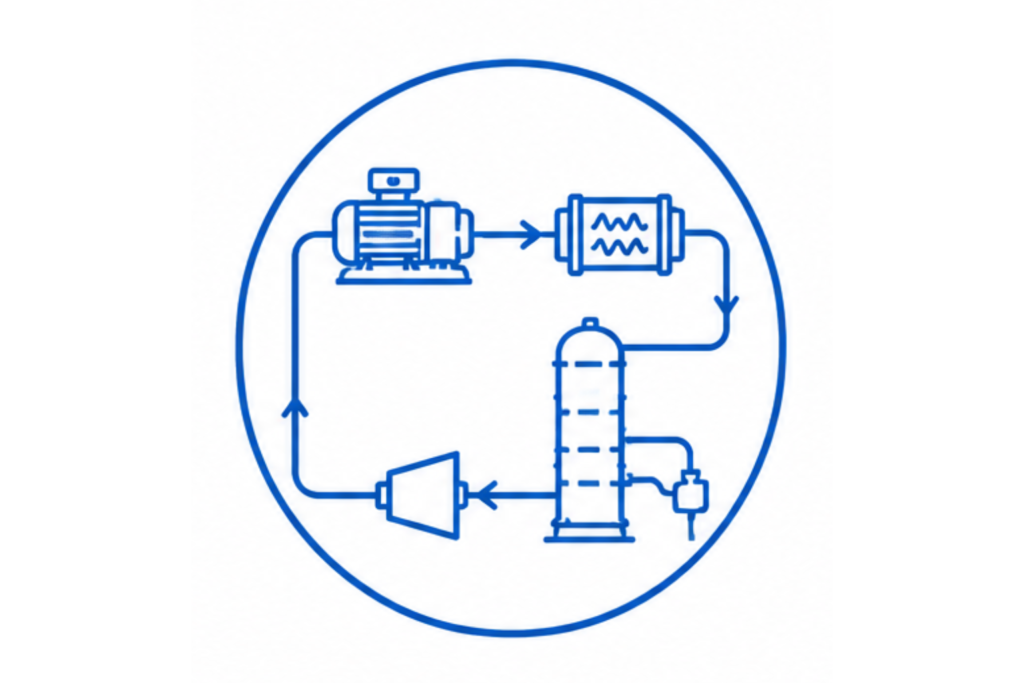
Cryogenic nitrogen plants are highly interconnected systems where compressors, purification systems, heat exchangers, expanders, and distillation columns operate in continuous thermodynamic balance. A disturbance in one section of the plant can quickly propagate across the entire process, resulting in widespread operational instability.

Unlike simple mechanical systems, cryogenic plants rarely fail because of a single isolated issue. Most operational problems are interconnected and are commonly associated withΒ process instability in cryogenic nitrogen plants.

In many cases, operators observe symptoms such as:

  • Nitrogen purity fluctuation
  • Pressure instability
  • Temperature imbalance
  • Expander hunting
  • Increased energy consumption
  • Repeated plant trips

However, these symptoms are often treated individually without identifying the actual root cause.

As a result:

  • Operators repeatedly adjust parameters
  • Process instability worsens
  • Trips continue recurring
  • Energy consumption increases
  • Long-term plant reliability decreases

This is why a systematic Step-by-Step Troubleshooting Approach for Cryogenic Nitrogen Plants is critical for identifying instability, diagnosing root causes, and restoring stable plant operation.

Instead of reacting only to alarms or visible symptoms, engineers must understand:

  • System interactions
  • Process behavior
  • Trend patterns
  • Root cause relationships
  • Disturbance propagation across systems

A successful Step-by-Step Troubleshooting Approach for Cryogenic Nitrogen Plants requires engineers to move beyond reactive troubleshooting and adopt a structured engineering methodology based on trend analysis, process correlation, and system-level diagnosis.

πŸ‘‰ Effective troubleshooting is not about reacting faster.
It is about diagnosing correctly and eliminating instability at its source.

Why Troubleshooting Fails in Many Cryogenic Nitrogen Plants

Before understanding the correct Step-by-Step Troubleshooting Approach for Cryogenic Nitrogen Plants, it is important to understand why troubleshooting often fails in cryogenic nitrogen plant operation.

In many cases, engineers react to visible symptoms such as pressure fluctuation, purity instability, temperature imbalance, or repeated trips without identifying the actual root cause. This symptom-based approach leads to repeated operational problems, worsening instability, and inefficient plant performance.

Understanding these common troubleshooting failures is essential for implementing an effective Step-by-Step Troubleshooting Approach for Cryogenic Nitrogen Plants based on structured diagnosis, trend analysis, and system-level engineering understanding.

1. Symptom-Based Troubleshooting

One of the biggest mistakes is focusing only on the visible symptom.

Example:

  • Purity drops β†’ operator adjusts reflux
  • Pressure fluctuates β†’ operator changes valve position
  • Expander hunts β†’ operator reduces load

These actions may temporarily reduce symptoms but often fail to eliminate the root cause.

2. Excessive Manual Intervention

Frequent manual adjustments create additional instability.

Cryogenic systems require time to stabilize.
Continuous intervention often worsens oscillation and process imbalance.

3. Lack of Trend Analysis

Most instability problems develop gradually.

Without DCS trend analysis, engineers miss:

  • Repeating oscillation patterns
  • Cause-and-effect relationships
  • Early warning signs

4. Ignoring System Interaction

Cryogenic nitrogen plants operate as integrated systems.

For example:

  • Compressor instability affects feed flow
  • Feed variation affects column balance
  • Column instability affects purity
  • Purity fluctuation triggers control response

πŸ‘‰ Treating these problems separately leads to incorrect conclusions.

Step-by-Step Troubleshooting Approach for Cryogenic Nitrogen Plants

A structured Step-by-Step Troubleshooting Approach for Cryogenic Nitrogen Plants is essential for identifying root causes, stabilizing operation, and preventing recurring plant problems.

In cryogenic nitrogen plants, issues such as pressure fluctuation, purity instability, temperature imbalance, expander hunting, and repeated trips are usually interconnected symptoms of deeper system instability.

An effective Step-by-Step Troubleshooting Approach for Cryogenic Nitrogen Plants focuses on trend analysis, system interaction, and root cause identification instead of trial-and-error troubleshooting.

STEP 1 β€” IDENTIFY THE VISIBLE SYMPTOM

The first step is identifying the primary operational issue. Common symptoms include: 1. Pressure fluctuation
2. Nitrogen purity instability
3. High energy consumption
4. Temperature imbalance
5. Expander instability
6. Repeated trips
7. Cold box instability
πŸ‘‰ At this stage, do not assume the cause. The visible symptom is only the starting point.
STEP 2 β€” STABILIZE THE PLANT BEFORE ANALYSIS

Before troubleshooting:
βœ” Avoid rapid parameter changes
βœ” Minimize manual intervention
βœ” Maintain safe operating conditions
A stable operating condition provides more reliable trend data.
STEP 3 β€” ANALYZE DCS TRENDS

Trend analysis is the most powerful tool in a Step-by-Step Troubleshooting Approach for Cryogenic Nitrogen Plants.
Focus on:
Pressure trends
Temperature profiles
Flow variations
Purity trends
Valve movement
Expander speed trends
Look for:
Oscillation patterns
Sudden deviations
Delayed responses
Correlated disturbances
πŸ‘‰ Instability always leaves a pattern.

STEP 4 β€” IDENTIFY WHICH SYSTEM IS AFFECTED

Determine which section shows the strongest instability.
Compressor Related Issues
Indicators:
Feed flow instability
Pressure oscillation
Increased power consumption
Possible causes:
Compressor surge
Control instability
Mechanical inefficiency
Purification System Issues
Indicators:
Moisture breakthrough
COβ‚‚ contamination
Heat exchanger icing
Possible causes:
Molecular sieve failure
Valve leakage
Improper regeneration
Heat Exchanger Issues
Indicators:
Temperature imbalance
Increasing pressure drop
Reduced cooling efficiency
Possible causes:
Freezing
Contamination
Thermal imbalance
Distillation Column Issues
Indicators:
Purity fluctuation
Pressure instability
Reflux imbalance
Possible causes:
Improper reflux ratio
Load variation
Thermal instability
Expander Issues
Indicators:
Hunting
Refrigeration instability
Speed fluctuation
Possible causes:
Flow instability
PID tuning issues
Load mismatch
STEP 5 β€” CORRELATE PROCESS VARIABLES

This is one of the most important troubleshooting steps. Cryogenic plant parameters are interconnected.
Example:
Pressure fluctuation affects column equilibrium
Column instability affects purity
Purity fluctuation affects control response
Control response affects flow balance
πŸ‘‰ Never analyze one parameter in isolation.
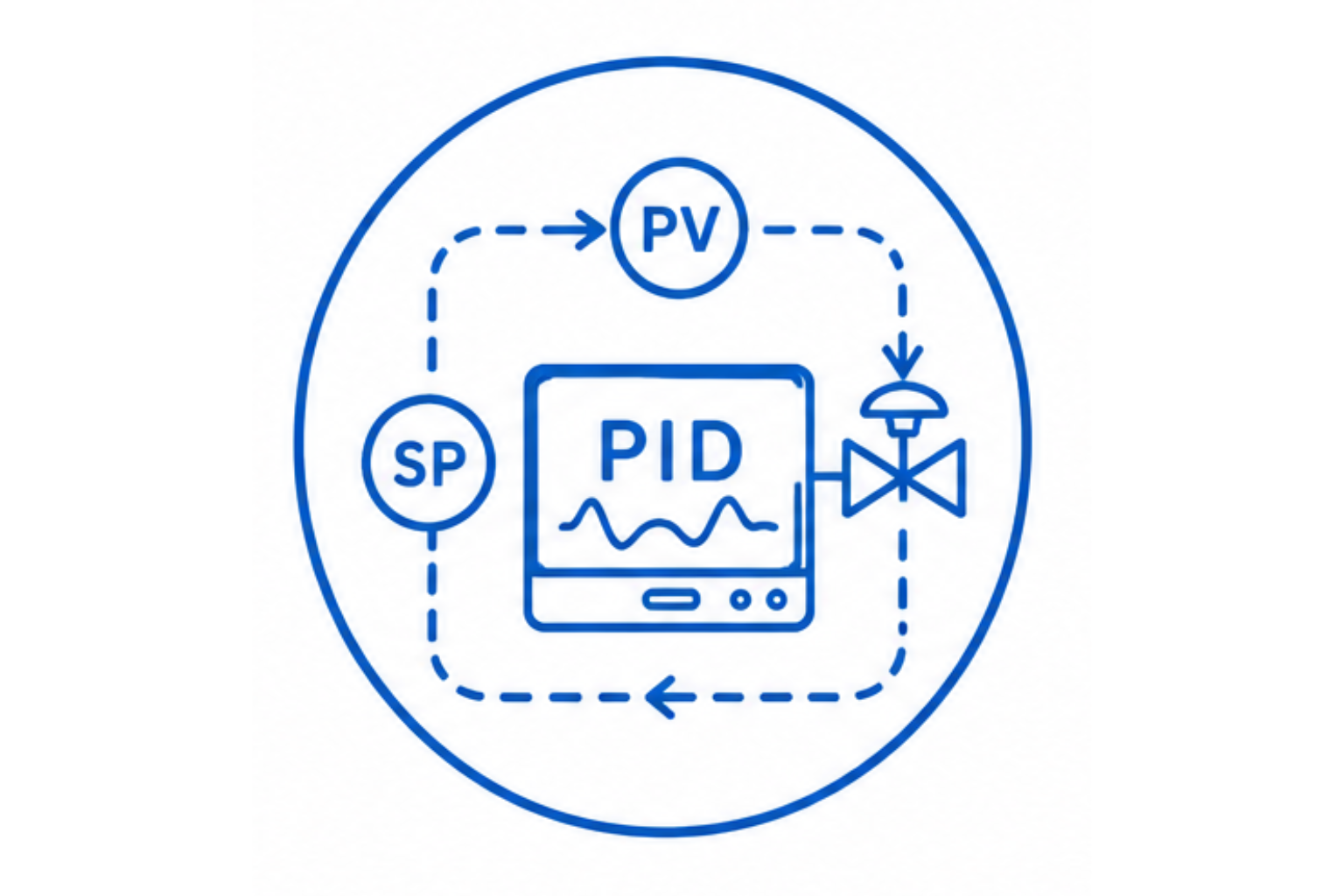
STEP 6 β€” CHECK CONTROL LOOP BEHAVIOR

Improper PID tuning is one of the most common hidden causes of instability.
Look for:
Continuous valve oscillation
Overcorrection
Slow response
Repeating cycling behavior
Aggressive tuning causes oscillation. Slow tuning causes delayed stabilization.
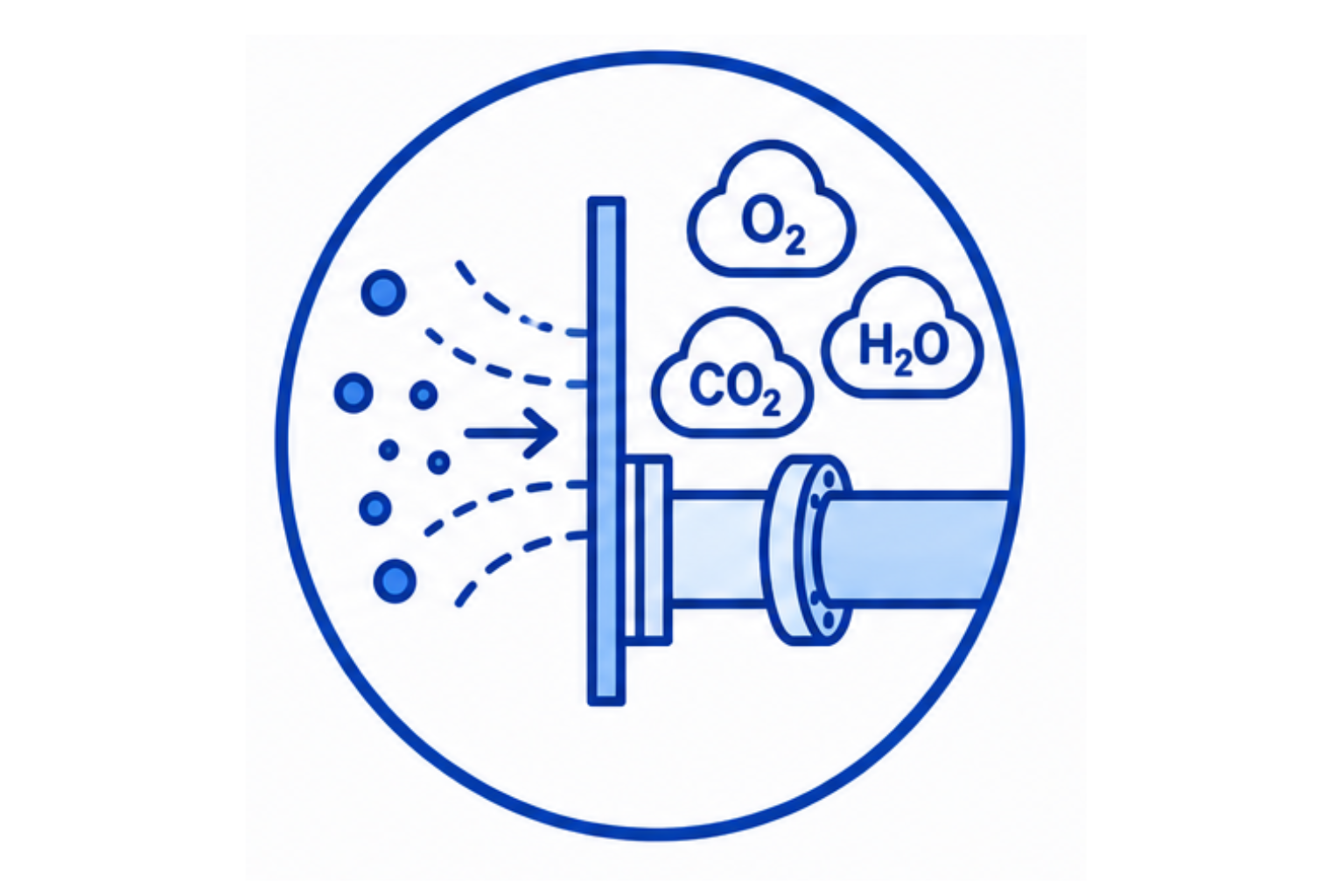
STEP 7 β€” CHECK FOR CONTAMINATION OR AIR INGRESS

Contamination-related problems are frequently misdiagnosed.
Signs include:
Heat exchanger freezing
Purity degradation
Unstable temperature profile
Increasing pressure drop
Possible causes:
Air ingress
Moisture contamination
COβ‚‚ breakthrough

STEP 8 β€” IDENTIFY THE ROOT CAUSE

This is the most critical stage.
At this point:
βœ” Symptoms are identified
βœ” Trends are analyzed
βœ” Interactions are understood
βœ” Disturbances are correlated
Now determine:
πŸ‘‰ What initiated the instability?
Root causes generally fall into these categories:
System imbalance
Control inefficiency
Contamination
Mechanical issues
Operational error
Improper commissioning

How To Validate The Root Cause

A proper Step-by-Step Troubleshooting Approach for Cryogenic Nitrogen Plants does not end with identifying a possible cause. The suspected root cause must be validated using process trends, system behavior, and parameter correlation before corrective actions are implemented.

βœ” Cross-Check Trends

Ensure the diagnosis matches observed data.

βœ” Validate Cause-and-Effect Relationship

If correcting one parameter stabilizes others:
πŸ‘‰ The diagnosis is likely correct.

βœ” Avoid Assumptions

Never troubleshoot based only on intuition.
Use:
1. Process trends
2. System behavior
3. Engineering logic

How To Implement Corrective Actions

An effective Step-by-Step Troubleshooting Approach for Cryogenic Nitrogen Plants requires corrective actions to address the actual root causeβ€”not just the visible symptoms. Proper implementation helps restore system balance, stabilize operation, and prevent recurring instability.

1. Stabilize Operating Conditions

Maintain:
Stable pressure
Stable temperature
Stable flow
Stable refrigeration balance

2. Optimize Control Loops

Ensure smooth control response.
Avoid:
Aggressive PID settings
Excessive valve movement
Manual override instability

3. Eliminate Contamination Sources

Fix:
Air ingress
Seal leakage
Purification inefficiency
4. Restore Thermal Balance

Verify:
Heat exchanger performance
Column temperature profile
Refrigeration stability

5. Maintain System Coordination

Ensure balanced operation between:
Compressor
Purification system
Heat exchanger
Expander
Distillation column

Facing recurring instability and repeated troubleshooting cycles?

πŸ‘‰ Use theΒ Troubleshooting ToolkitΒ to apply a structured engineering approach for diagnosing and stabilizing cryogenic nitrogen plants.

Engineering Insight

A proper Step-by-Step Troubleshooting Approach for Cryogenic Nitrogen Plants requires engineers to understand that most operational problems are interconnected system behaviorsβ€”not isolated equipment failures.

In cryogenic nitrogen plants:

  • Compressor instability affects feed flow
  • Feed variation affects column equilibrium
  • Column instability affects nitrogen purity
  • Purity fluctuation triggers control response
  • Control response creates additional instability

πŸ‘‰ A disturbance in one unit propagates across the entire plant.

Because of this, troubleshooting based only on alarms or visible symptoms often leads to repeated problems and unnecessary parameter adjustments.

An effective Step-by-Step Troubleshooting Approach for Cryogenic Nitrogen Plants requires:

βœ” System-level understanding
βœ” Trend-based diagnosis
βœ” Correlation of process variables
βœ” Root cause identification instead of symptom correction

Engineers must shift from:

❌ Reactive troubleshooting
➑️ Fixing immediate symptoms

to:

βœ… Structured engineering diagnosis
➑️ Eliminating instability at its source

Stable operation is achieved not by constant intervention, but by maintaining balance between refrigeration, pressure, flow, heat exchange, and separation throughout the entire cryogenic system.

Engineering Perspective

A proper Step-by-Step Troubleshooting Approach for Cryogenic Nitrogen Plants requires engineers to shift from reactive troubleshooting to structured system-level diagnosis.

Instead of asking:

❌ β€œWhich parameter is fluctuating?”

Engineers should ask:

βœ… β€œWhy is the system unstable?”

In cryogenic nitrogen plants:

  • Instability propagates across interconnected systems
  • Pressure, temperature, flow, and purity influence each other
  • Disturbances in one unit affect overall plant performance
  • Symptoms rarely reveal the true root cause directly

Because of this, an effective Step-by-Step Troubleshooting Approach for Cryogenic Nitrogen Plants must focus on:

βœ” Trend analysis
βœ” Process interaction
βœ” Root cause correlation
βœ” System balance verification
βœ” Stability-focused troubleshooting

πŸ‘‰ Effective troubleshooting in cryogenic systems requires a structured Step-by-Step Troubleshooting Approach for Cryogenic Nitrogen Plants based on understanding plant behavior as an integrated thermodynamic and process control system rather than treating problems as isolated equipment issues.

Troubleshooting Philosophy For Cryogenic Nitrogen Plants

Stable operation in cryogenic nitrogen plants is achieved when:

βœ” All systems operate in balance
βœ” Disturbances are minimized
βœ” Control systems respond correctly
βœ” Operators avoid unnecessary intervention
βœ” Trends are continuously monitored

A structured Step-by-Step Troubleshooting Approach for Cryogenic Nitrogen Plants focuses on maintaining this balance through trend analysis, root cause identification, and proactive stability control.

πŸ‘‰ The best troubleshooting approach is proactive rather than reactive.

Engineering Basis

This analysis is supported by established process control and thermodynamic principles:

Conclusion & Key Takeaways

A structured Step-by-Step Troubleshooting Approach for Cryogenic Nitrogen Plants is essential for achieving stable, efficient, and reliable operation. Most plant problems are not isolated failuresβ€”they are interconnected symptoms of instability, imbalance, contamination, or improper control response.

Effective troubleshooting requires engineers to move beyond symptom-based adjustments and adopt a systematic engineering methodology based on:

  • Trend analysis
  • System interaction
  • Root cause correlation
  • Stable operating principles

Understanding plant behavior at a system level allows engineers to eliminate recurring issues instead of repeatedly reacting to alarms and disturbances.


πŸ”‘ Key Takeaways

βœ” Most plant problems originate from system imbalance, not isolated faults
βœ” Trend analysis is the foundation of effective troubleshooting
βœ” Pressure, temperature, purity, and flow are interconnected
βœ” Excessive manual intervention often worsens instability
βœ” Proper PID tuning is critical for stable operation
βœ” Contamination and air ingress frequently create hidden problems
βœ” Root cause analysis is more important than symptom correction
βœ” Stable operation requires coordinated performance across all plant systems
βœ” Structured troubleshooting prevents repeated trips and instability
βœ” Long-term reliability depends on proactive stability management

Troubleshoot with Confidence β€” Not Trial-and-Error

Recurring instability, purity fluctuation, trips, and energy inefficiency are usually symptoms of deeper system imbalance.

πŸ‘‰ Apply a structured Step-by-Step Troubleshooting Approach for Cryogenic Nitrogen Plants using the Troubleshooting Toolkit to identify root causes, stabilize plant operation, and improve long-term reliability.

Leave a Comment

Your email address will not be published. Required fields are marked *

Scroll to Top