
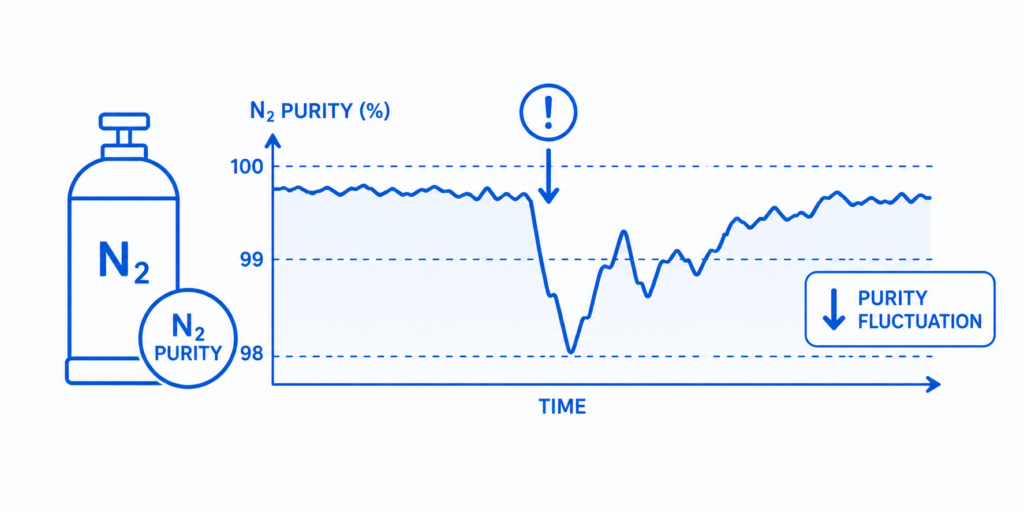

Understanding Why Nitrogen Purity Drops Suddenly requires structured diagnosis and system-level analysis. Reacting to purity fluctuation without identifying the actual root cause often worsens instability and leads to repeated operational problems.
 Key Indicators
- Sudden drop in nitrogen purity trends
- Fluctuation in column pressure and temperature
- Changes in expander performance
- Increased oxygen concentration
- Frequent control valve adjustments
These indicators commonly appear when separation efficiency is disturbed due to process instability in cryogenic nitrogen plants.
 Diagnostic Approach
1. Analyze Purity Trends
Identify whether the purity drop is gradual or sudden. Understanding trend behavior is critical for diagnosing Why Nitrogen Purity Drops Suddenly.
- Sudden drops usually indicate process disturbance or instability
- Gradual decline often indicates contamination or inefficiency
2. Check Column Conditions
Evaluate:
- Pressure stability
- Reflux ratio
- Temperature profile
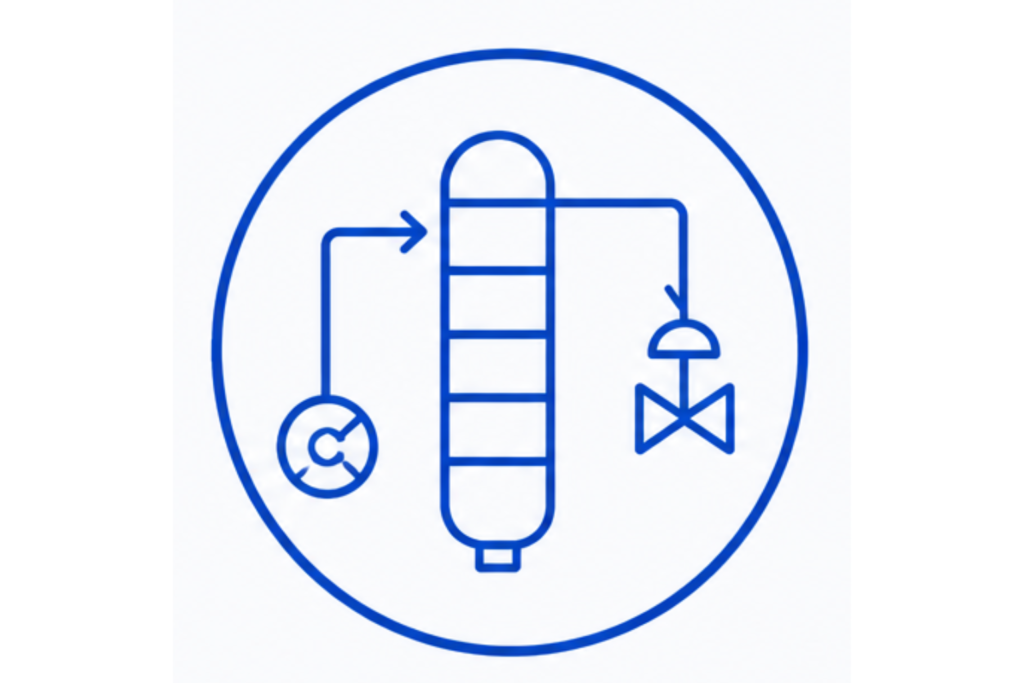
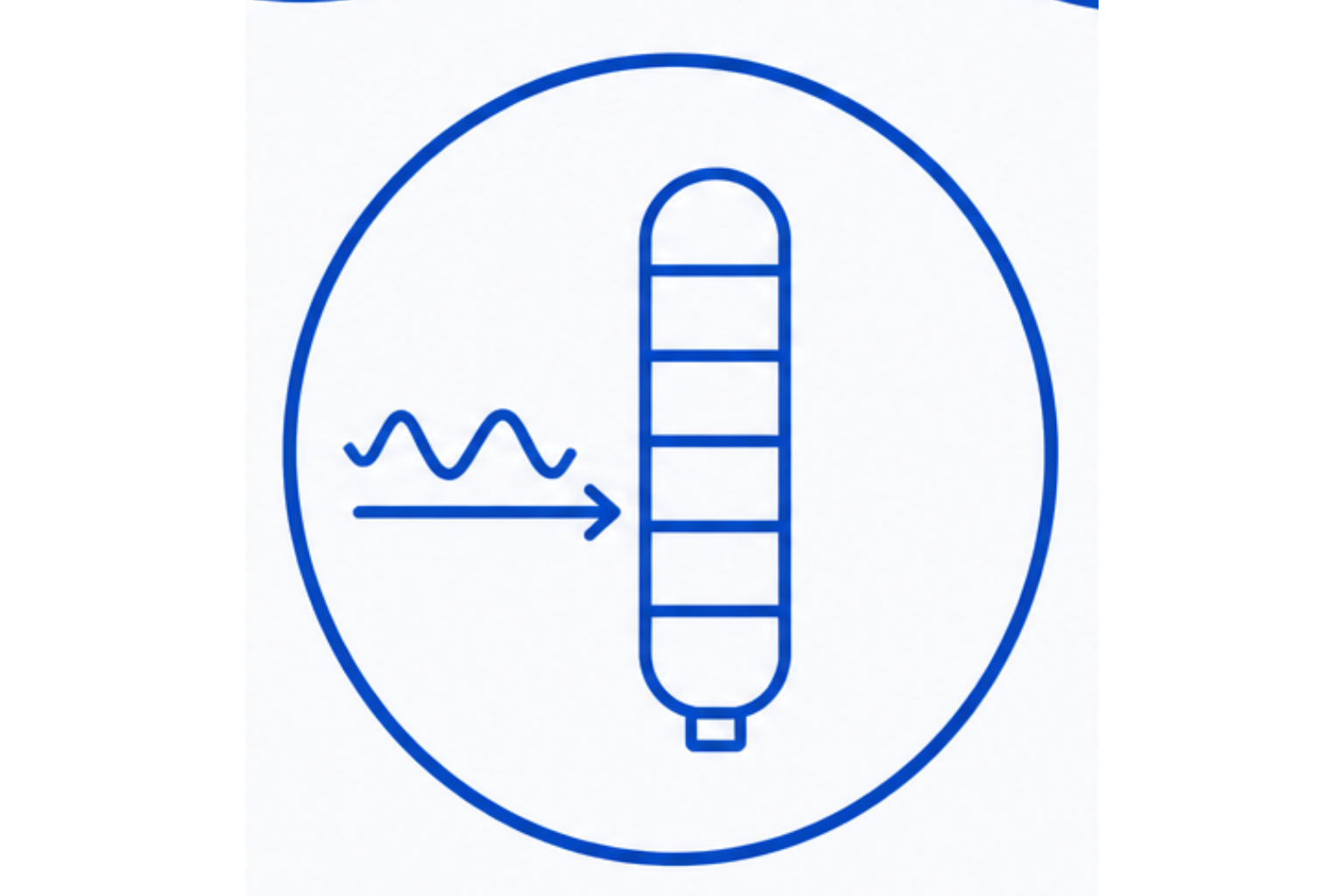
Any deviation indicates Distillation Column Instability in Cryogenic Nitrogen Plants, which is one of the major reasons Why Nitrogen Purity Drops Suddenly.
3. Evaluate Expander and Cold Box
Check refrigeration balance and temperature distribution across the cold box. Expander instability or thermal imbalance directly affects separation efficiency and purity stability.
4. Inspect for Contamination
Verify presence of:
- Moisture
- CO₂
- Oxygen ingress
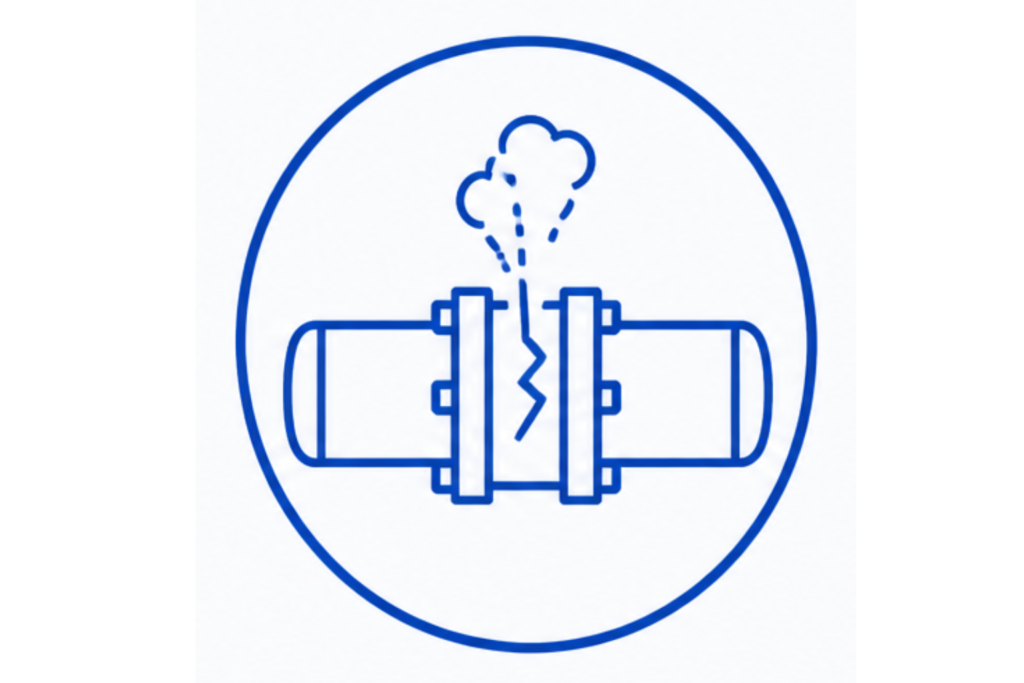
Contamination from Air Ingress in Cryogenic Nitrogen Plants can significantly disturb purity and thermal balance.
5. Correlate with Other Parameters
Link purity fluctuation with:
- Pressure trends
- Flow variation
- Temperature instability
This helps identify the actual root cause instead of reacting only to the purity value.
 In most cases, understanding Why Nitrogen Purity Drops Suddenly reveals that purity fluctuation itself is not the root cause—it is usually a symptom of process instability in cryogenic nitrogen plants.
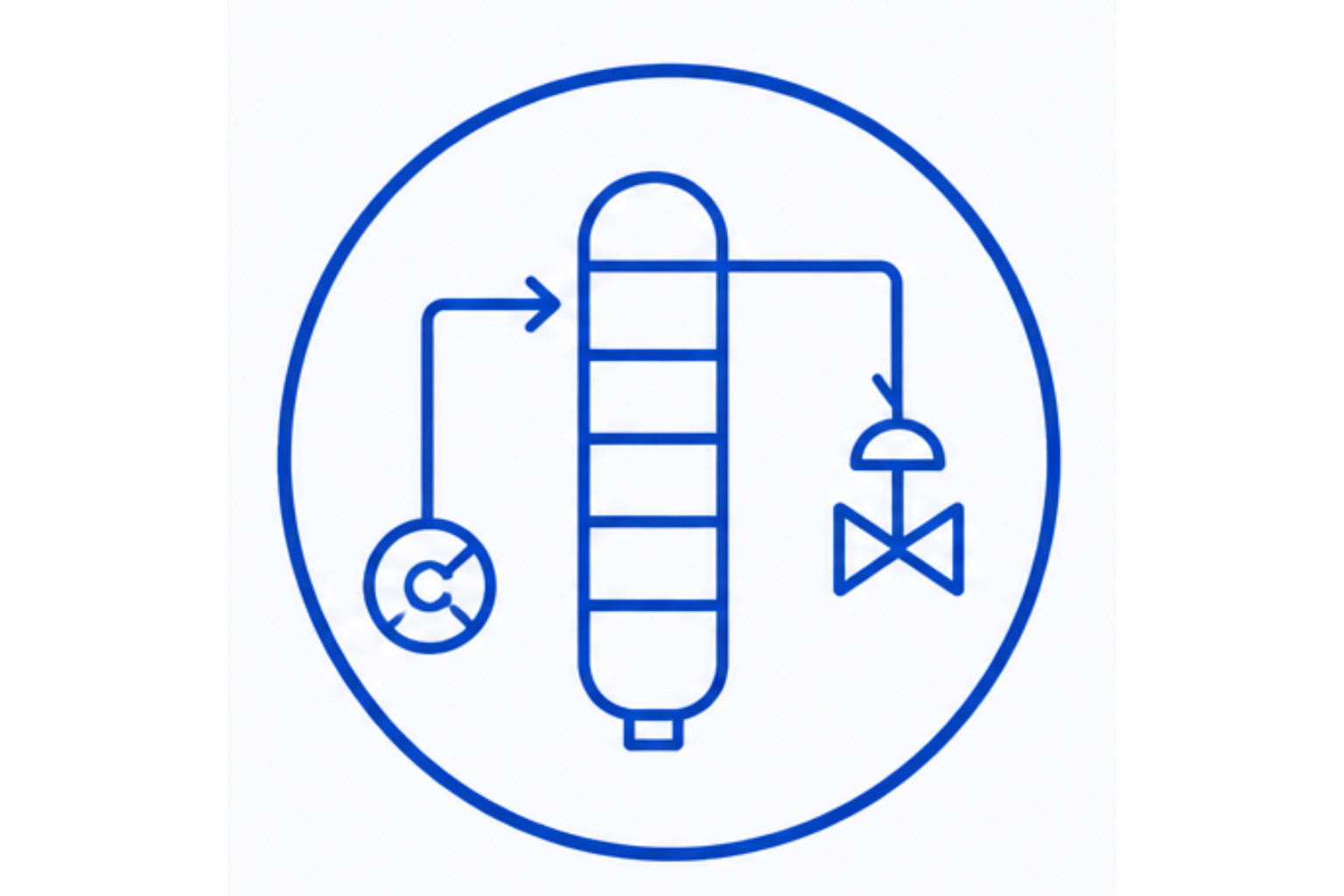
1. Stabilize Distillation Column Operation
1. Maintain proper reflux ratio 2. Ensure stable pressure 3. Control temperature profile Column stability is the most critical factor for maintaining purity.
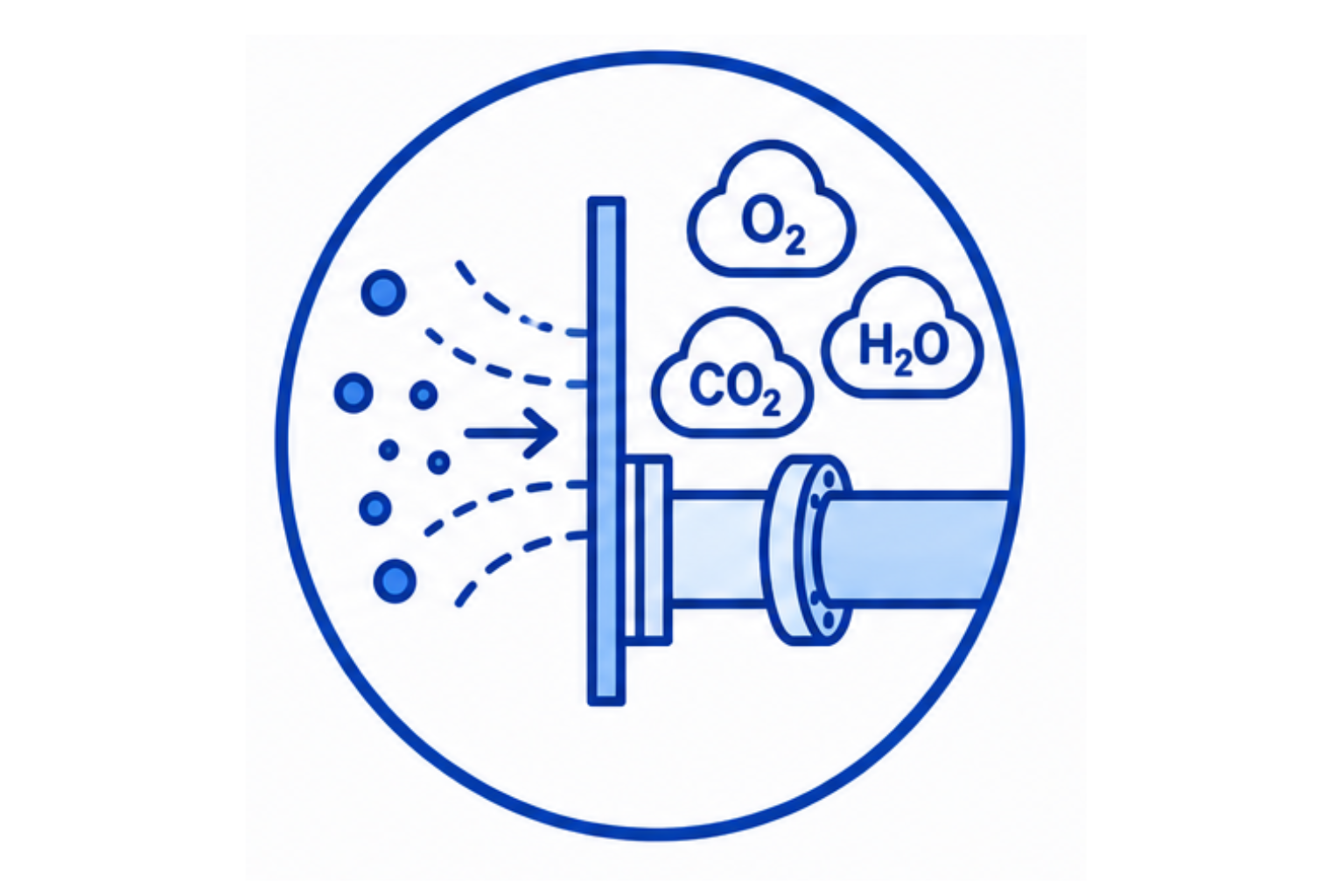
2. Eliminate Air Ingress
1. Inspect pipelines and flanges 2. Check valve sealing 3. Avoid negative pressure zones Preventing contamination is essential for long-term stability.
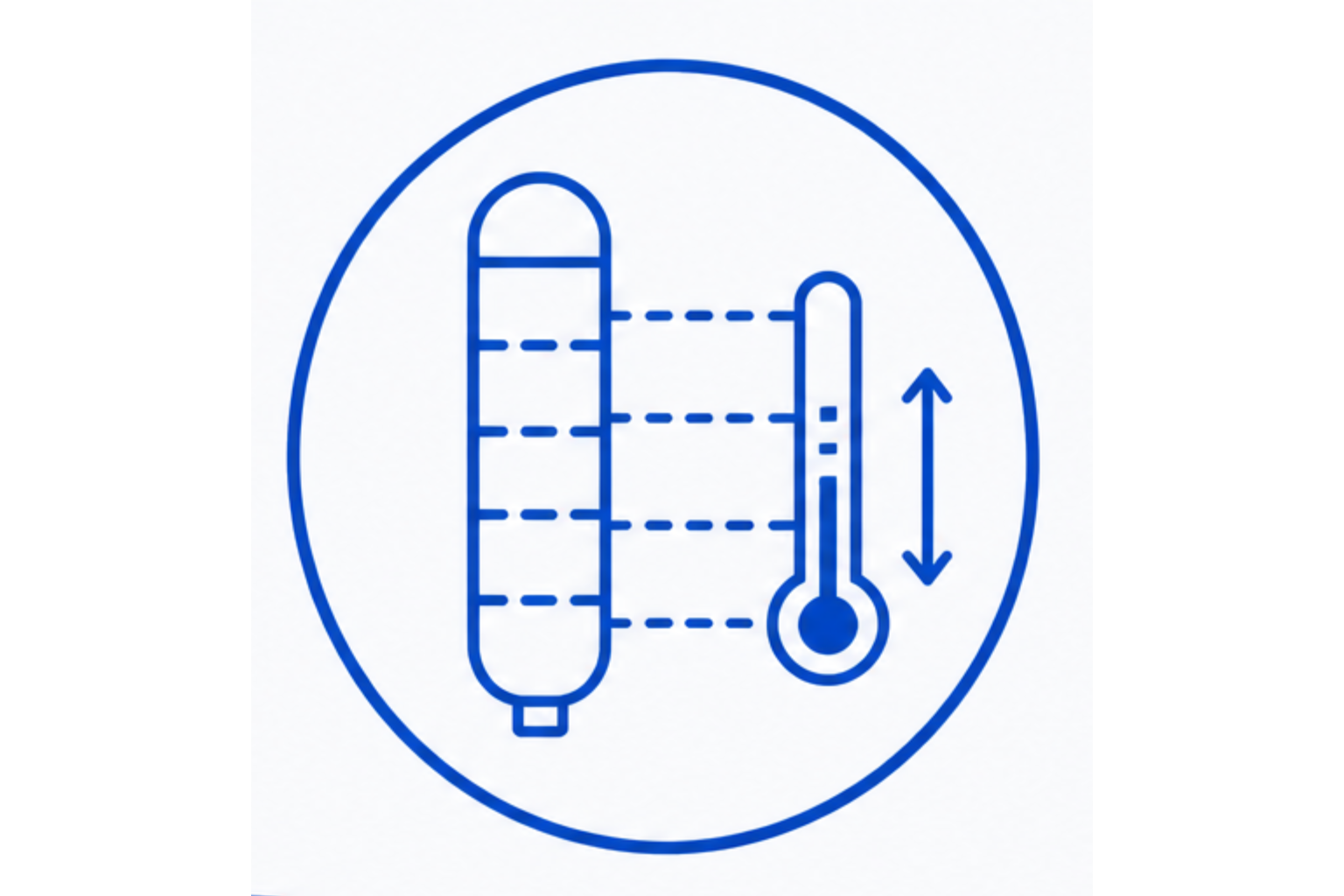
3. Maintain Thermal Balance
1. Ensure proper heat exchanger performance 2. Avoid temperature fluctuations 3. Maintain cold box stability
4. Stabilize Feed Conditions
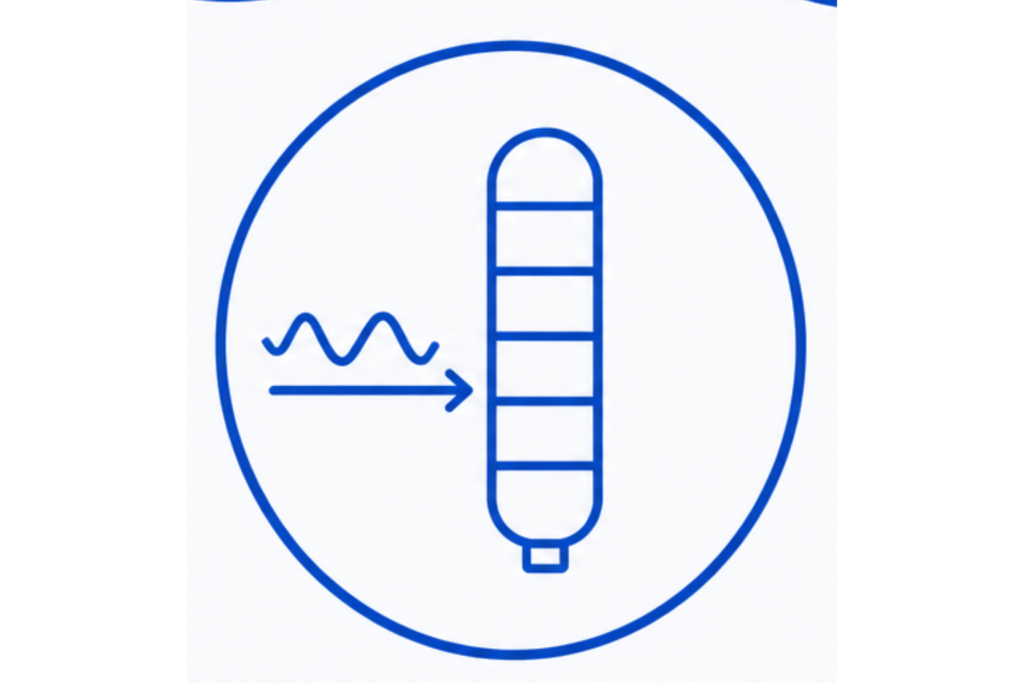
1. Ensure consistent compressor operation 2. Avoid sudden load changes 3. Maintain steady flow

5. Improve Control System Response
1. Optimize PID tuning 2. Avoid aggressive corrections 3. Ensure smooth system response
To understand how proper startup and operation help prevent plant trips, refer to:
Step-by-Step Guide to Commissioning a Cryogenic Nitrogen Plant
Why Nitrogen Purity Drops Suddenly is closely linked to imbalance within the cryogenic separation process. Nitrogen purity is not just a product parameter—it is a direct indicator of overall plant stability, thermal balance, and separation efficiency.
In most cases, sudden purity drop is caused by disturbances such as Distillation Column Instability in Cryogenic Nitrogen Plants, air ingress, refrigeration imbalance, or unstable feed conditions. These disturbances propagate across the system and reduce separation performance.
Understanding Why Nitrogen Purity Drops Suddenly requires a system-level approach focused on identifying root causes rather than reacting only to purity readings.
 Key Takeaways
 Nitrogen purity fluctuation is usually a symptom of system instability Distillation column stability is essential for consistent purity Air ingress and contamination significantly affect separation efficiency Stable temperature and refrigeration balance are critical Feed flow variation directly impacts column performance Trend analysis helps identify root causes early Structured troubleshooting prevents repeated purity issues Long-term purity stability depends on balanced plant operation