
Process Instability in Cryogenic Nitrogen Plants — Causes, Detection, and Control

Understand, diagnose, and control process instability to achieve stable, efficient, and reliable plant operation.

Process instability is not just a minor fluctuation—it is a system-level disturbance that simultaneously affects pressure, temperature, flow, and nitrogen purity, ultimately leading to performance loss, higher energy consumption, and operational inefficiencies.

Process instability in cryogenic nitrogen plants

Process instability in cryogenic nitrogen plants is one of the most critical operational challenges affecting plant performance, efficiency, and long-term reliability. Unlike isolated equipment issues, process instability in cryogenic nitrogen plants is a system-level problem where multiple process variables interact dynamically, resulting in continuous fluctuations in pressure, temperature, flow, and nitrogen purity.

Cryogenic plants operate under tightly controlled thermodynamic conditions. The separation of nitrogen depends on maintaining a delicate balance between refrigeration, mass transfer, pressure levels, and heat exchange. When this balance is disturbed—even slightly—process instability in cryogenic nitrogen plants begins to develop, causing the system to behave unpredictably.

These instabilities commonly arise during:

  • Startup and commissioning phases
  • Load changes and demand variation
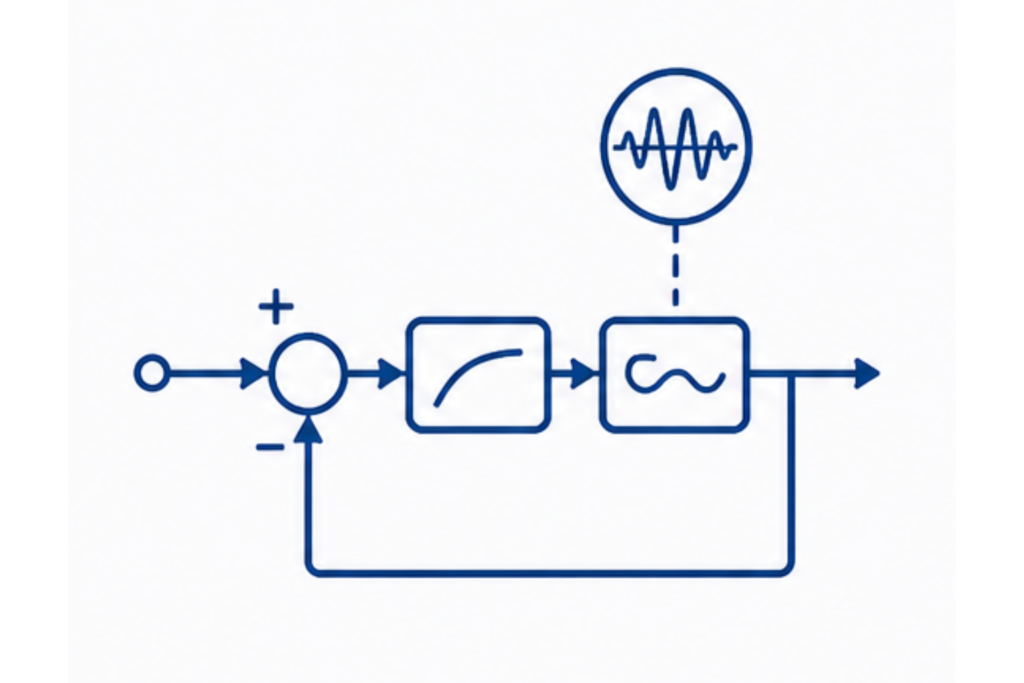
  • Improper control loop tuning
  • Disturbances in upstream or downstream systems

Initially, process instability in cryogenic nitrogen plants may appear as minor oscillations or slow response in process variables. However, if not addressed, these fluctuations can propagate across the plant, leading to:

  • Increased energy consumption
  • Reduced nitrogen purity consistency
  • Frequent operator intervention
  • Repeated operational disturbances

👉 The key challenge is that process instability in cryogenic nitrogen plants is often misinterpreted as normal fluctuation, whereas in reality, it is an early warning sign of system imbalance.

Understanding process instability in cryogenic nitrogen plants—its causes, detection methods, and control strategies—is essential for achieving stable, efficient, and reliable plant operation.

What is Process Instability in Cryogenic Nitrogen Plants ?

Process instability in cryogenic nitrogen plants refers to uncontrolled, oscillatory, or continuously fluctuating behavior in plant operating parameters.

These fluctuations are not random—they are typically the result of feedback interactions within the system.

Common manifestations include:

  • Pressure fluctuations across units
  • Temperature variations in heat exchangers and columns
  • Flow instability in feed and product streams
  • Nitrogen purity fluctuations
  • Oscillating control loops (valves continuously opening/closing)

Unlike a mechanical failure, process instability in cryogenic nitrogen plants does not originate from a single fault. Instead, it arises from:

👉 System imbalance + control inefficiency

For example:

  • A small fluctuation in compressor flow may disturb feed stability
  • This affects column loading
  • Which impacts purity and temperature profile
  • Leading to control loop overcorrection
  • Resulting in further instability

This creates a self-amplifying loop, making process instability in cryogenic nitrogen plants difficult to control without structured analysis.

Quick Engineering Summary

Process instability is a system-level issue caused by imbalance between process units and improper control response, leading to fluctuations in pressure, temperature, and purity.

Common Causes of Process Instability

1. Improper
Control Loop Tuning

Control loops are the backbone of plant stability.

Poor PID tuning can result in:

  • Overcorrection (oscillation)
  • Slow response (lagging system)
  • Continuous cycling of valves

This leads to unstable pressure, flow, and temperature across the plant.

2. Imbalance Between Process Units

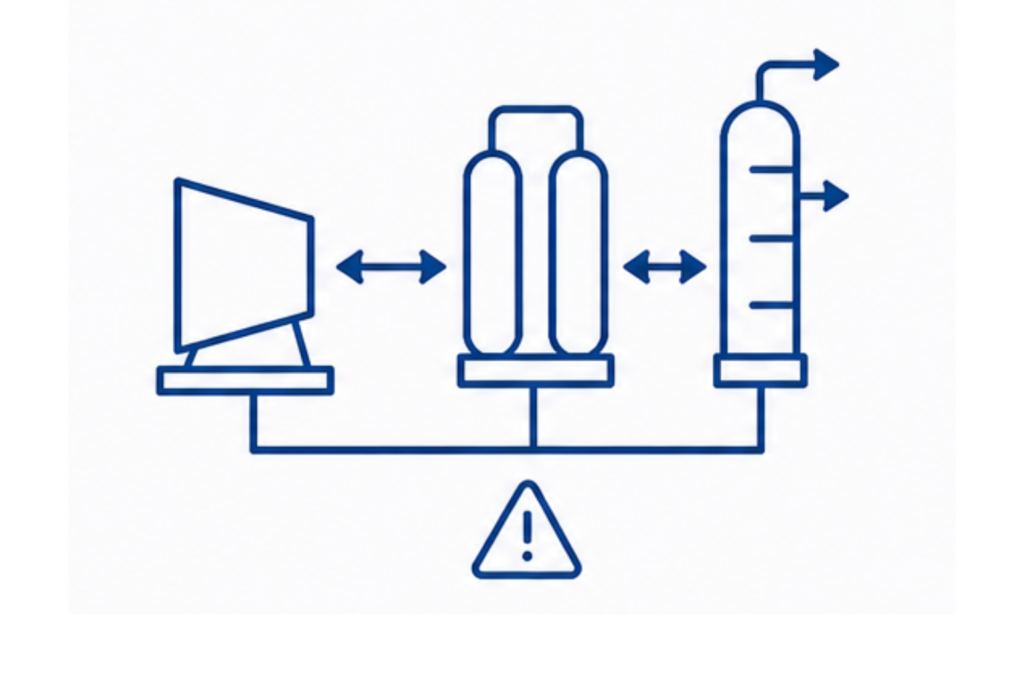
Cryogenic plants require synchronization between:

  • Compressor output
  • Molecular sieve purification
  • Cold box heat exchange
  • Distillation column load

Mismatch between these units creates instability.

For example:

  • Excess air flow with limited purification capacity
  • Column overloaded due to feed imbalance

👉 Result: unstable operation and poor separation.

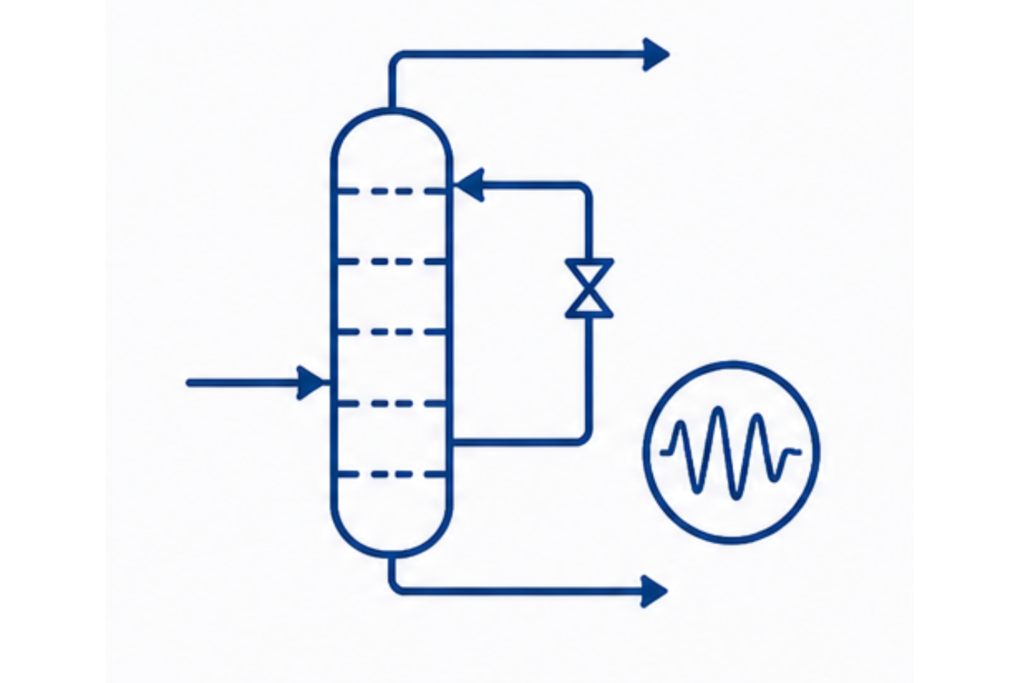
3. Distillation Column
Instability

The column is highly sensitive to disturbances.

Instability may be caused by:

  • Improper reflux ratio
  • Pressure variation
  • Thermal imbalance

This directly impacts nitrogen purity and separation efficiency.

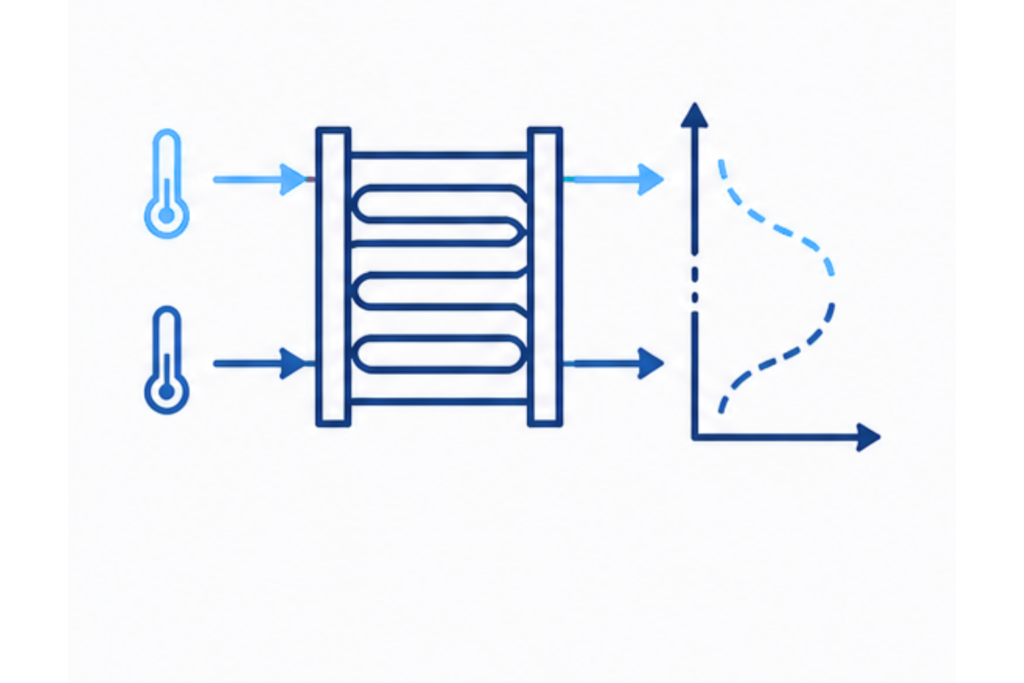
4. Heat Exchanger Temperature Imbalance

The cryogenic heat exchanger controls thermal equilibrium.

Issues such as:

  • Uneven temperature distribution
  • Inefficient heat transfer
  • Partial blockage or icing

lead to improper feed conditions entering the column.

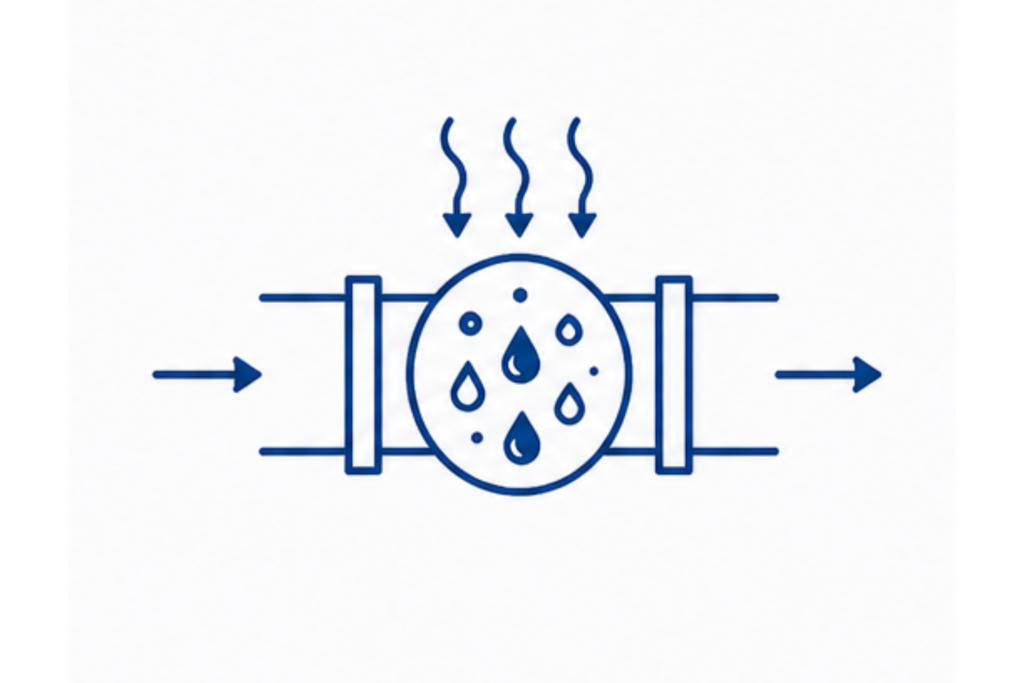
5. Air Ingress and Contamination

Air ingress introduces:

  • Moisture
  • CO₂
  • Impurities

These disrupt:

  • Thermal balance
  • Heat exchanger performance
  • Separation efficiency

👉 Even small ingress can create unpredictable instability.

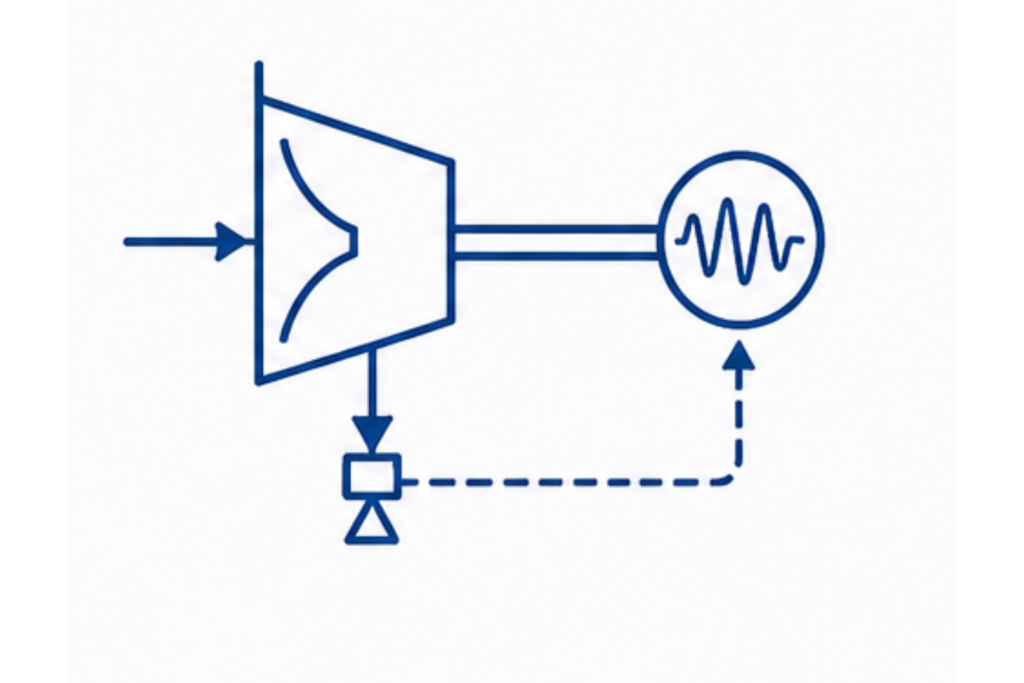
6. Expander Instability

The expander maintains refrigeration balance.

Instability may result from:

  • Load mismatch
  • Flow fluctuations
  • Mechanical or control issues

This directly affects:

  • Cold box temperature
  • Overall plant stability

How to Detect Process Instability in Cryogenic Nitrogen Plants

Early detection is critical to prevent escalation.

Key indicators include:

  • Oscillating pressure and temperature trends
  • Continuous variation in nitrogen purity
  • Frequent control valve movement
  • Repeated minor disturbances without clear cause
  • Increasing specific power consumption

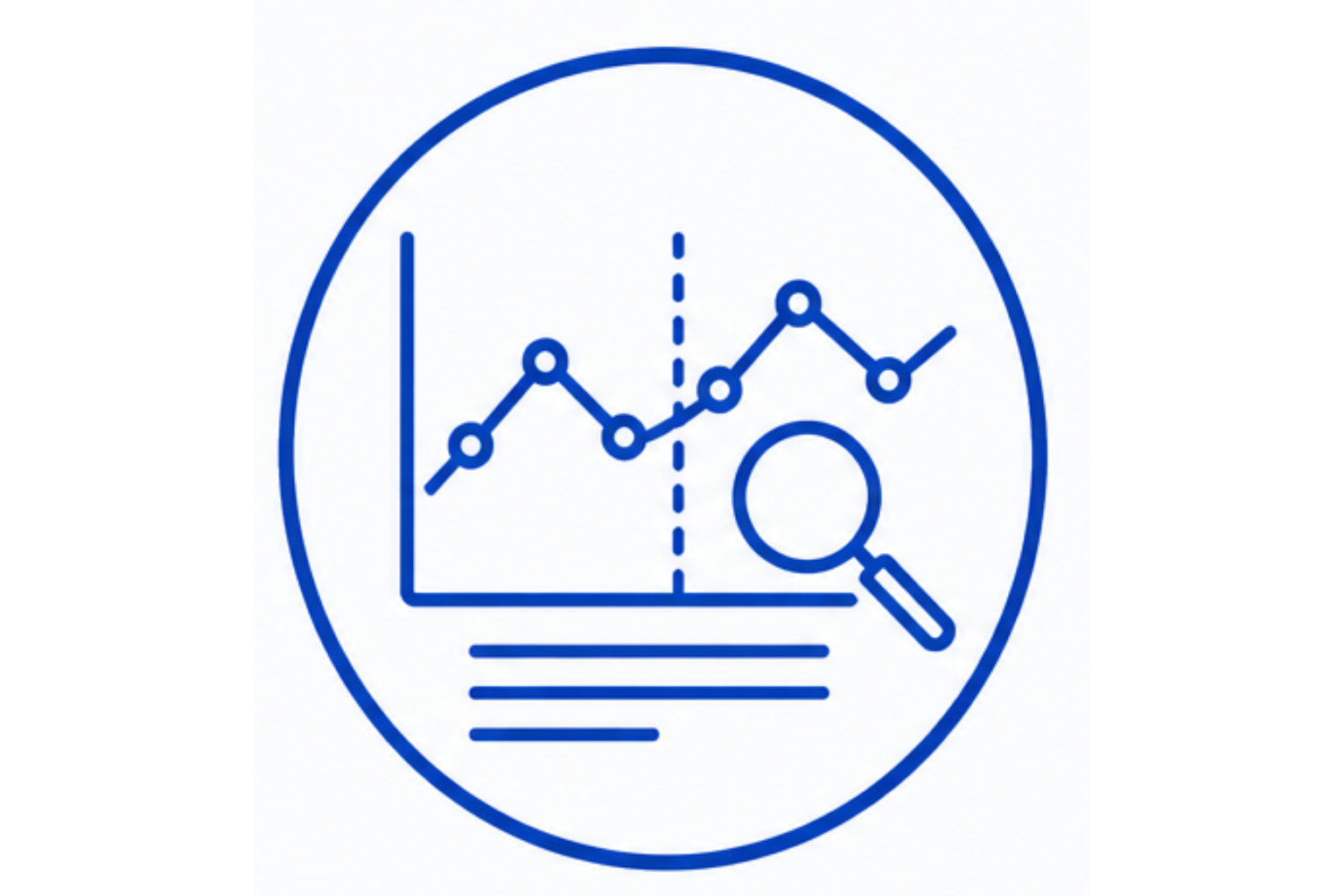
🔍 Advanced Diagnostic Approach

Instead of observing individual parameters, engineers should focus on:

🔸 Trend behavior

Look for repeating oscillations rather than isolated spikes.

🔸 Correlation between variables

Example:

  • Pressure fluctuation → temperature variation → purity change

🔸 Time lag patterns

Delayed response indicates poor control tuning.

🔸 Operator intervention frequency

Frequent manual adjustments signal instability.


👉 A stable plant shows smooth and predictable trends.
👉 An unstable plant shows oscillatory and reactive behavior.


👉 Facing these instability patterns in your plant?
→ Use the Stability Toolkit to systematically identify and control instability.
Impact of Process Instability in Cryogenic Nitrogen Plants

If not controlled, instability can severely impact plant performance.


🔻 Reduced Nitrogen Purity Consistency

Fluctuating separation efficiency leads to inconsistent product quality.


🔻 Increased Energy Consumption

Instability forces systems to operate inefficiently, increasing power usage.


🔻 Higher Equipment Stress

Continuous fluctuations cause:

  • Mechanical wear
  • Valve fatigue
  • Thermal stress

🔻 Frequent Plant Trips and Downtime

Unstable conditions trigger safety limits, leading to shutdowns.


🔻 Reduced Overall Plant Efficiency

Long-term instability prevents optimal performance.


👉 In many cases, instability is the hidden root cause behind multiple plant problems.

Key Engineering Insight

Instability is rarely a single fault — it is the result of interconnected system behavior across compressor, cold box, and column.

How to Control and Stabilize the Process

1. Structured Trend Analysis

Use DCS data to: 1. Identify repeating patterns 2. Detect root causes 3. Avoid reactive decision-making 👉 Always analyze trends—not just current values.
2. Control Loop Optimization

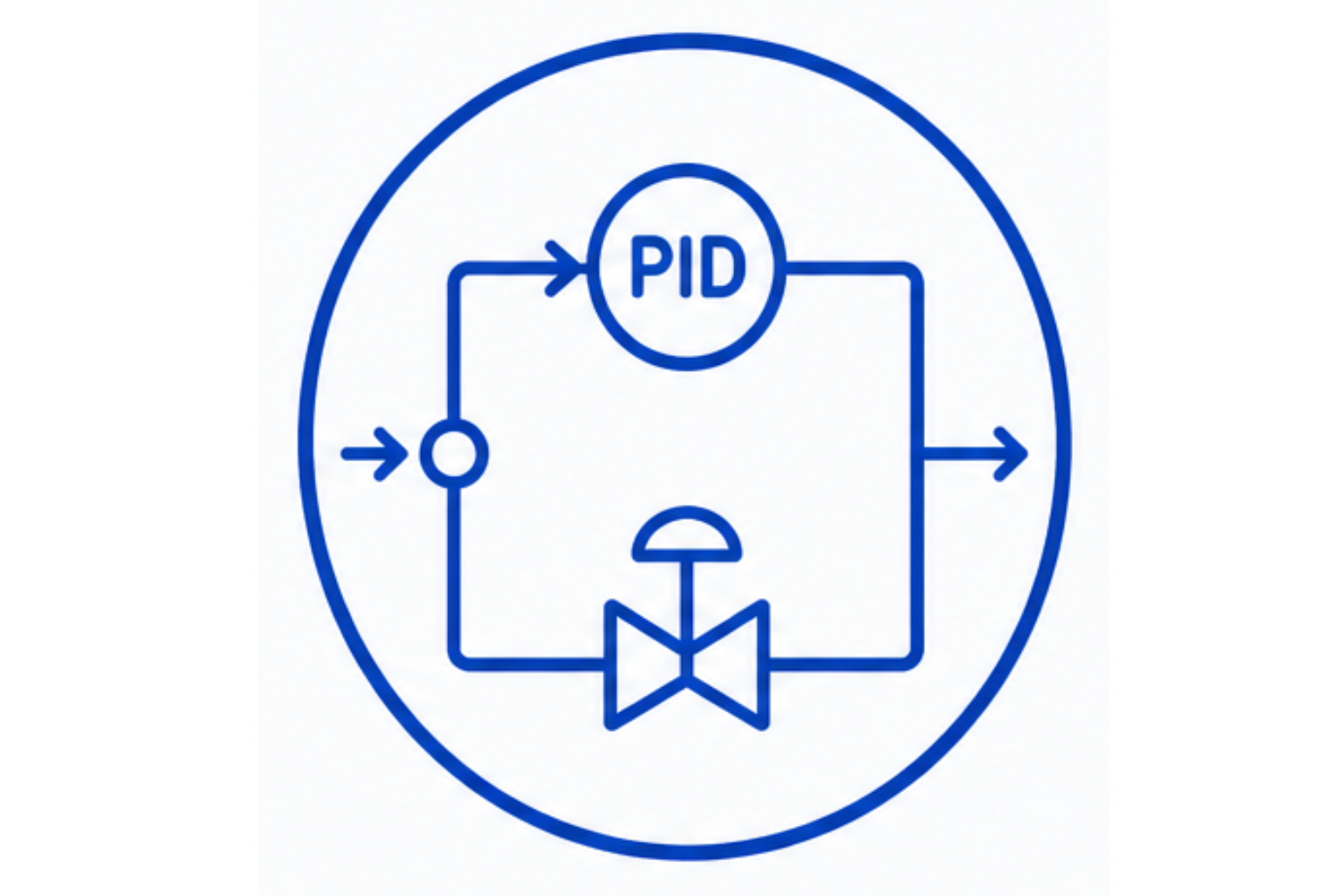
Ensure proper PID tuning: 1. Avoid aggressive response 2. Maintain stable correction 3. Synchronize multiple loops Well-tuned loops are essential for stability.

3. System Balance Verification

Check alignment between: 1. Compressor capacity 2. Purification system 3. Cold box 4. Distillation column 👉 Stability requires all units to operate in coordination.
4. Temperature and Pressure Stability

Maintain: 1. Consistent column pressure 2. Stable temperature gradient 3. Balanced heat exchange Avoid sudden changes in operating conditions.
5. Eliminate External Disturbances

Identify and remove: 1. Air ingress 2. Contamination 3. Equipment inefficiencies 4. Upstream fluctuations 👉 Stability improves when disturbances are minimized at the source.

👉 Struggling to stabilize your plant?
Apply a structured approach using the Stability Toolkit instead of trial-and-error adjustments.

Practical Engineering Insight

Use trend analysis instead of reacting to alarms. Identify repeating patterns before adjusting operating conditions.

Engineering Perspective

Process instability in cryogenic nitrogen plants is not caused by a single failure—it is the result of interconnected system behavior.

Each unit in a cryogenic nitrogen plant influences others:

  • Compressor affects feed flow
  • Heat exchanger affects thermal balance
  • Column affects purity
  • Control system affects overall response

👉 A disturbance in one unit propagates across the entire system, leading to process instability in cryogenic nitrogen plants.

Stable plant operation is achieved when:

✔ All units operate in balance
✔ Control systems respond appropriately
✔ Disturbances are minimized
✔ Data-driven decisions are applied

Engineers must shift from:

❌ Reactive troubleshooting
➡️ Fixing symptoms

to:

✅ Proactive stability control
➡️ Eliminating root causes of process instability in cryogenic nitrogen plants.

Related Engineering Guides

To understand how proper startup and operation help prevent plant trips, refer to:

👉 Step-by-Step Guide to Commissioning a Cryogenic Nitrogen Plant

Engineering Basis

This analysis is supported by established process control and thermodynamic principles:

Conclusion & Key Takeaways

Stable operation in cryogenic nitrogen plants is not achieved by isolated adjustments—it is the result of maintaining overall system balance, ensuring proper control tuning, and detecting disturbances at an early stage. Process instability in cryogenic nitrogen plants is often a symptom of deeper imbalance, and unless addressed systematically, it can continue to affect performance, efficiency, and reliability.

A plant may appear to be running, but if underlying instability exists, it will manifest as purity fluctuations, increased energy consumption, frequent operator intervention, and long-term equipment stress. Therefore, stability must be treated as a continuous engineering objective, not a one-time correction.


🔑 Key Takeaways

Maintain system-wide balance
All major units—compressor, purification system, heat exchanger, distillation column, and control system—must operate in coordination to avoid process instability in cryogenic nitrogen plants.

Optimize control loop tuning
Properly tuned PID controllers ensure smooth response and prevent oscillations that lead to instability.

Detect disturbances early
Trend monitoring and data analysis help identify early signs of instability before they escalate into major issues.

Avoid reactive adjustments
Frequent manual changes often worsen instability. Allow the system to stabilize and apply structured corrections.

Use data-driven decision-making
Rely on process trends and system behavior instead of assumptions to diagnose and control instability.

Eliminate root causes, not symptoms
Addressing the source of disturbance is the only way to sustainably eliminate process instability in cryogenic nitrogen plants.


🚀 Final Engineering Insight

Process instability in cryogenic nitrogen plants is not a random occurrence—it is a predictable outcome of imbalance and improper control. Engineers who focus on system coordination, structured analysis, and proactive control can achieve stable operation, consistent nitrogen purity, and long-term plant reliability.


Stabilize Your Plant Operations

Eliminate process instability and achieve reliable, consistent performance in your cryogenic nitrogen plant.

Leave a Comment

Your email address will not be published. Required fields are marked *

Scroll to Top