
Distillation Column Instability in Cryogenic Nitrogen Plants — Causes and Control
Understand and control column instability to maintain nitrogen purity and stable plant performance.
Distillation column instability in Cryogenic Nitrogen Plants directly affects nitrogen purity, pressure balance, and overall plant efficiency.
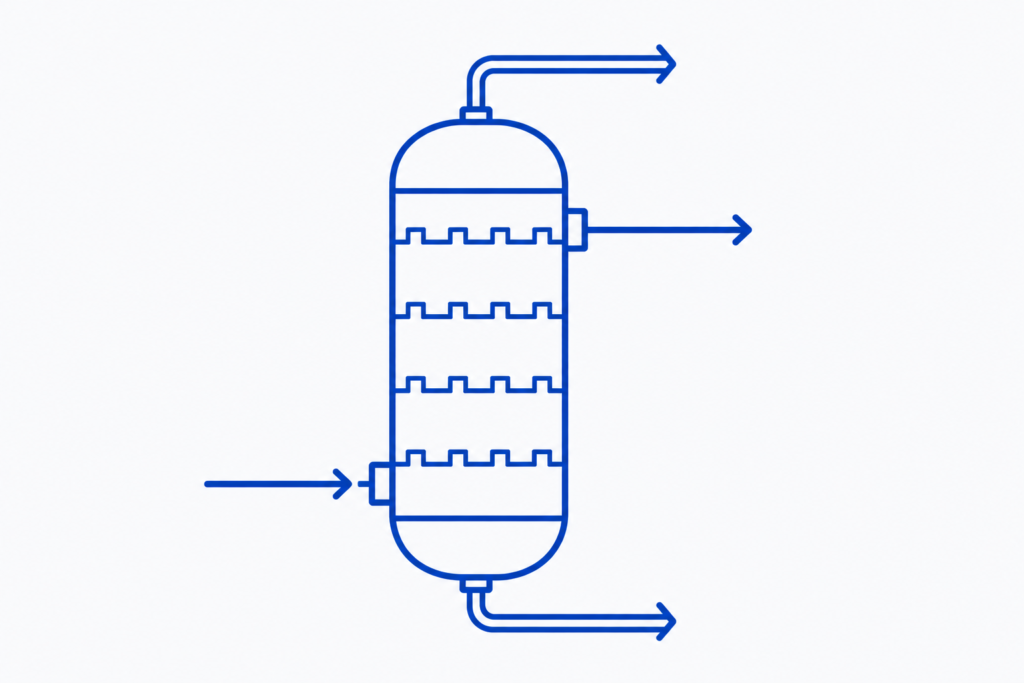
Distillation Column Instability in Cryogenic Nitrogen Plants is a critical challenge that directly impacts separation efficiency and overall plant performance. The distillation column is the core separation unit of a cryogenic nitrogen plant, where nitrogen is separated from oxygen and other components based on differences in boiling points under cryogenic conditions.
Inside the column, separation is achieved through a delicate balance of:
- Vapor–liquid equilibrium
- Reflux and boil-up ratios
- Pressure and temperature profiles
- Internal mass and heat transfer
For the column to perform efficiently, these conditions must remain stable and well-balanced. Even small disturbances can disrupt equilibrium, leading to cascading effects across the plant.
In real plant operation, however, maintaining perfect stability is challenging. Variations in feed conditions, upstream disturbances, control system behavior, or thermal imbalance can introduce Distillation Column Instability in Cryogenic Nitrogen Plants.
This instability manifests as:
- Nitrogen purity fluctuations
- Pressure oscillations
- Temperature profile disturbances
- Reduced separation efficiency
If not properly addressed, Distillation Column Instability in Cryogenic Nitrogen Plants can propagate through the entire system, resulting in:
- Increased energy consumption
- Operational inefficiencies
- Frequent adjustments by operators
- Reduced plant reliability
Understanding the causes, detection methods, and control strategies for Distillation Column Instability in Cryogenic Nitrogen Plants is essential for achieving consistent performance and long-term operational stability.
What Is Distillation column Instability in Cryogenic Nitrogen Plants?
Distillation column instability refers to continuous or periodic fluctuations in operating conditions within the column, preventing it from reaching or maintaining steady-state equilibrium.
These fluctuations may include:
- Pressure variations along the column
- Reflux ratio imbalance
- Temperature profile distortion
- Changes in vapor and liquid flow rates
- Variations in separation efficiency
👉 In a stable column, vapor rising upward and liquid flowing downward maintain a controlled equilibrium across trays or packing sections.
When instability occurs, this equilibrium is disturbed, resulting in:
- Improper component separation
- Reduced nitrogen purity
- Unpredictable system behavior
Column instability is rarely a single-point issue — it is typically the result of interacting disturbances across multiple systems.
Quick Engineering Summary
Distillation column instability in Cryogenic Nitrogen Plants affects separation efficiency, leading to purity fluctuations and process imbalance.
Common Causes of Distillation Column Instability in Cryogenic Nitrogen Plants
1. Reflux Ratio Imbalance
Reflux plays a critical role in maintaining separation efficiency.
If reflux flow is too low:
- Separation becomes inefficient
- Nitrogen purity drops
If reflux flow is too high:
- Column flooding risk increases
- Energy consumption rises
Improper reflux control disrupts internal mass transfer, leading to instability.
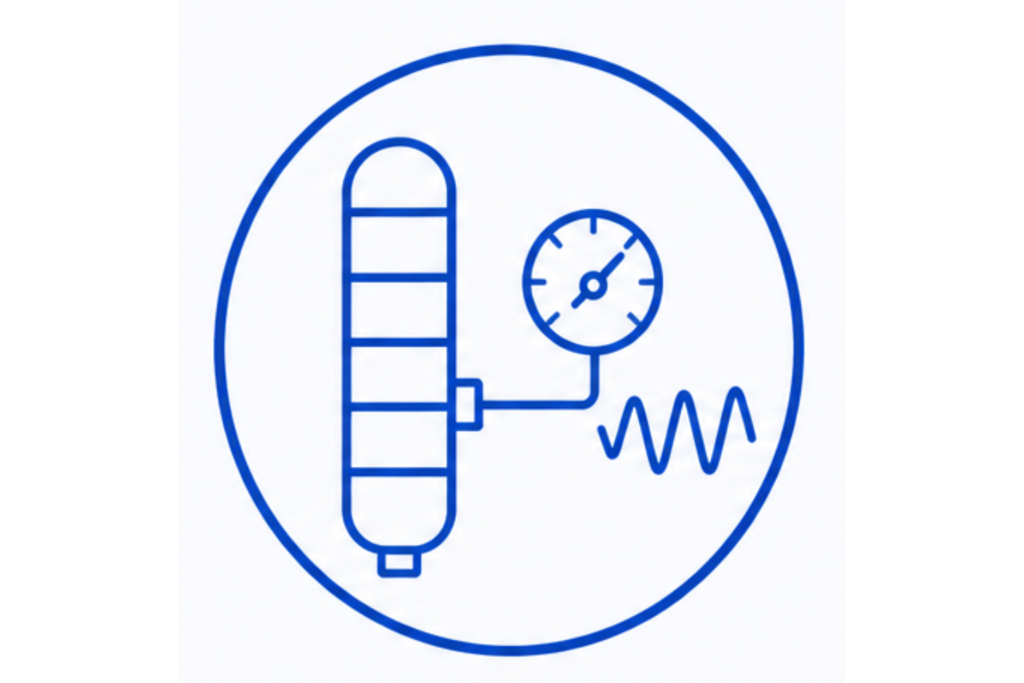
2. Pressure Fluctuations
Column pressure directly affects vapor–liquid equilibrium.
Pressure instability may be caused by:
- Compressor fluctuations
- Downstream demand changes
- Control valve oscillations
Even small pressure variations can significantly alter separation performance.
3. Temperature Profile Disturbance
A stable temperature gradient across the column is essential.
Disturbances may include:
- Uneven cooling
- Sudden temperature shifts
- Improper heat integration
This leads to:
- Loss of equilibrium
- Reduced separation efficiency
- Product purity variation
4. Feed Flow Variations
The column depends heavily on stable feed conditions.
Unstable feed flow can result from:
- Compressor instability
- Upstream process fluctuations
- Improper flow control
Feed variation directly affects:
- Column loading
- Internal vapor–liquid balance
- Separation efficiency
5. Heat Exchanger Issues
Cryogenic heat exchangers control thermal balance before the column.
Issues such as:
- Inefficient heat transfer
- Temperature mismatch
- Partial icing or fouling
can lead to improper feed conditions, disturbing column stability.
6. Control Loop Instability
Control systems are responsible for maintaining stable operation.
Poor tuning may result in:
- Oscillations
- Delayed response
- Overcorrection
This creates continuous fluctuations in:
- Pressure
- Flow
- Temperature
How To Detect Column instability in Cryogenic Nitrogen Plants
Early detection is critical to prevent escalation of Distillation Column Instability in Cryogenic Nitrogen Plants.
Key indicators include:
- Fluctuating nitrogen purity
- Oscillating column pressure
- Irregular temperature profiles
- Frequent control valve movement
- Variation in product flow rates
Advanced indicators:
- Trend oscillations in DCS data
- Delayed system response to adjustments
- Increasing operator intervention
👉 A stable column shows smooth, predictable trends — while Distillation Column Instability in Cryogenic Nitrogen Plants appears as oscillations and irregular patterns.
Facing column instability in your plant?
Use the Stability Toolkit to diagnose and control process instability.
Impact of Column Instability in Cryogenic Nitrogen Plants
Distillation column instability has far-reaching consequences.
🔻 Nitrogen Purity Fluctuations
Unstable separation directly affects product quality, making it difficult to maintain consistent purity.
🔻 Increased Energy Consumption
To compensate for instability, systems consume more power — especially compressors and refrigeration systems.
🔻 Reduced Separation Efficiency
Improper equilibrium reduces the effectiveness of the separation process.
🔻 System-Wide Instability
Column instability often propagates to:
- Cold box
- Expander
- Upstream systems
🔻 Increased Operational Cost
Frequent adjustments, inefficiencies, and energy loss increase overall cost.
Key Engineering Insight
Column behavior is highly sensitive to pressure, reflux, and feed conditions.
How to Control and Stabilize

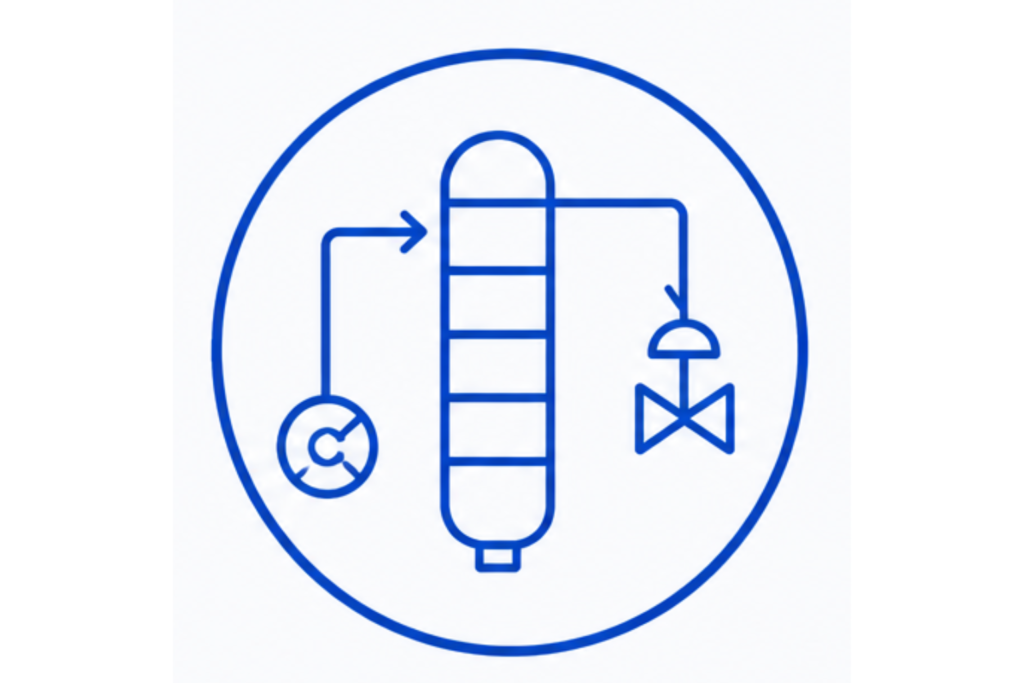
1. Optimize Reflux Ratio
Maintain correct reflux flow based on operating conditions. 1. Avoid over-adjustment 2. Use stable control logic 3. Monitor reflux trends
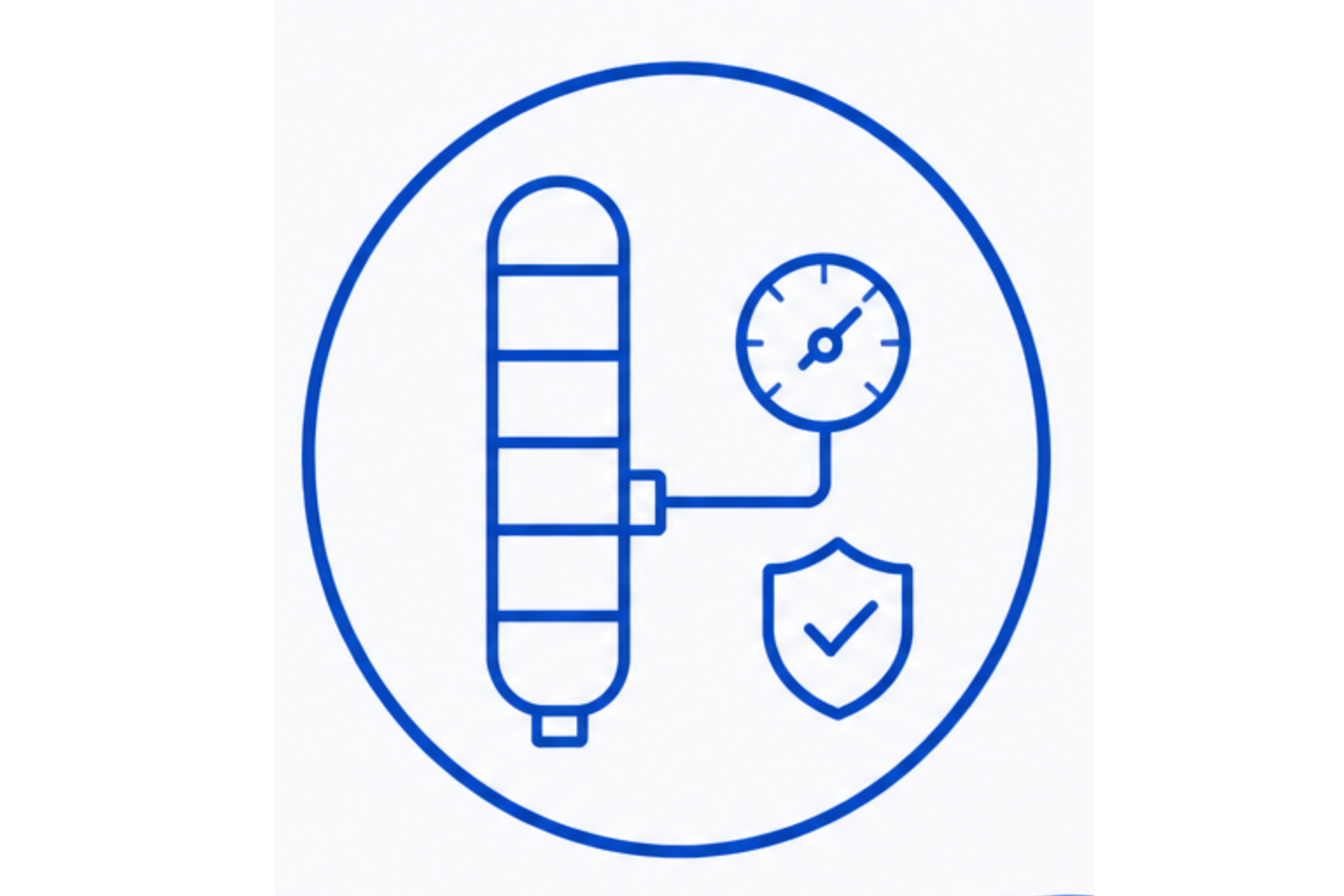
2. Maintain Pressure Stability
Ensure stable column pressure by: 1. Stabilizing compressor operation 2. Avoiding sudden valve changes 3. Maintaining downstream balance
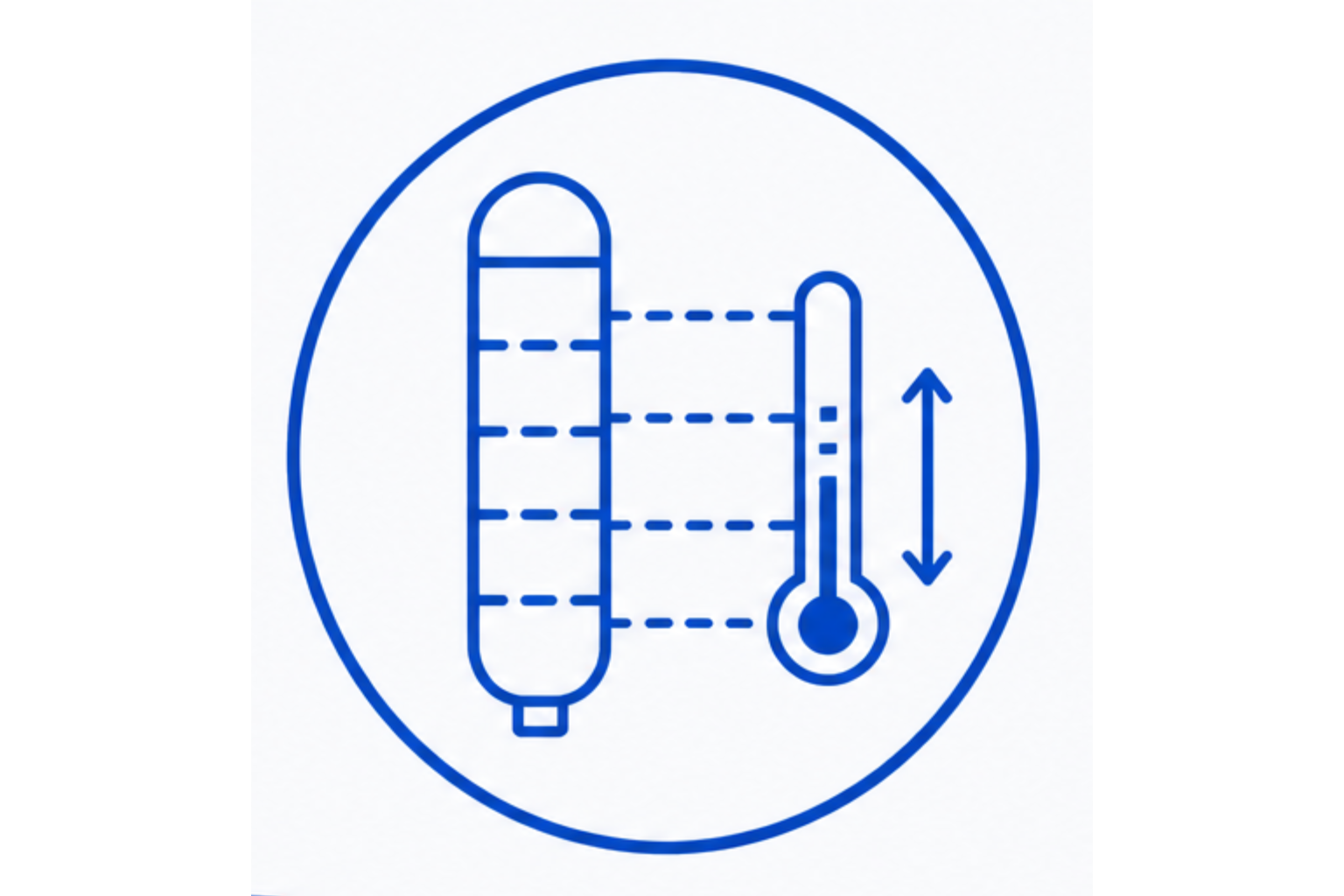
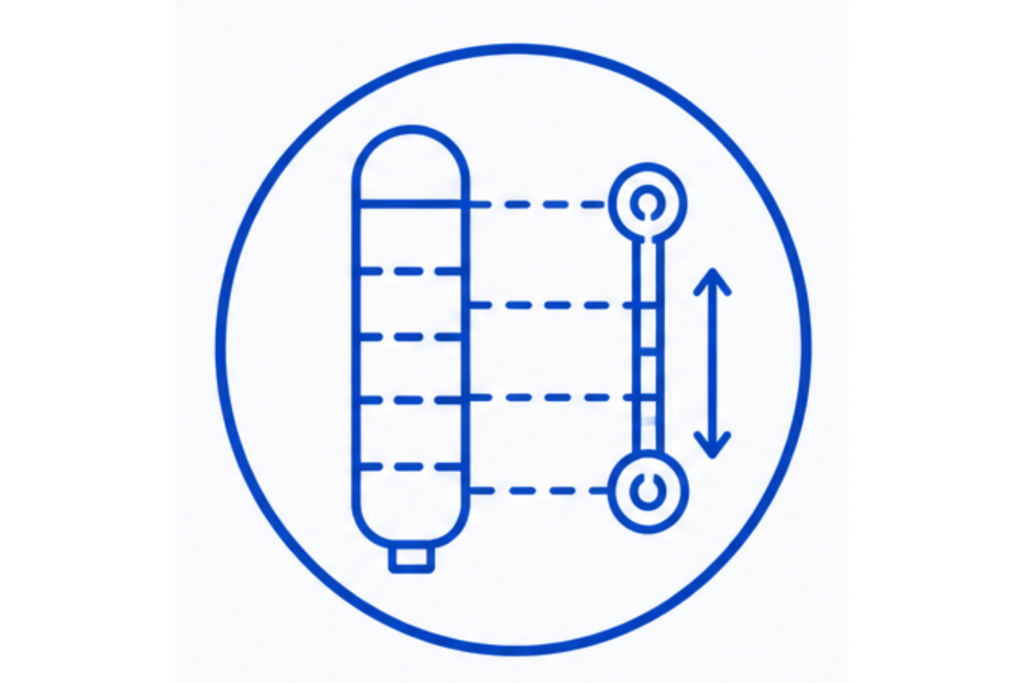
3. Monitor Temperature Profile
Track temperature across the column: 1. Ensure gradual temperature gradient 2. Detect abnormal deviations early 3. Maintain thermal balance
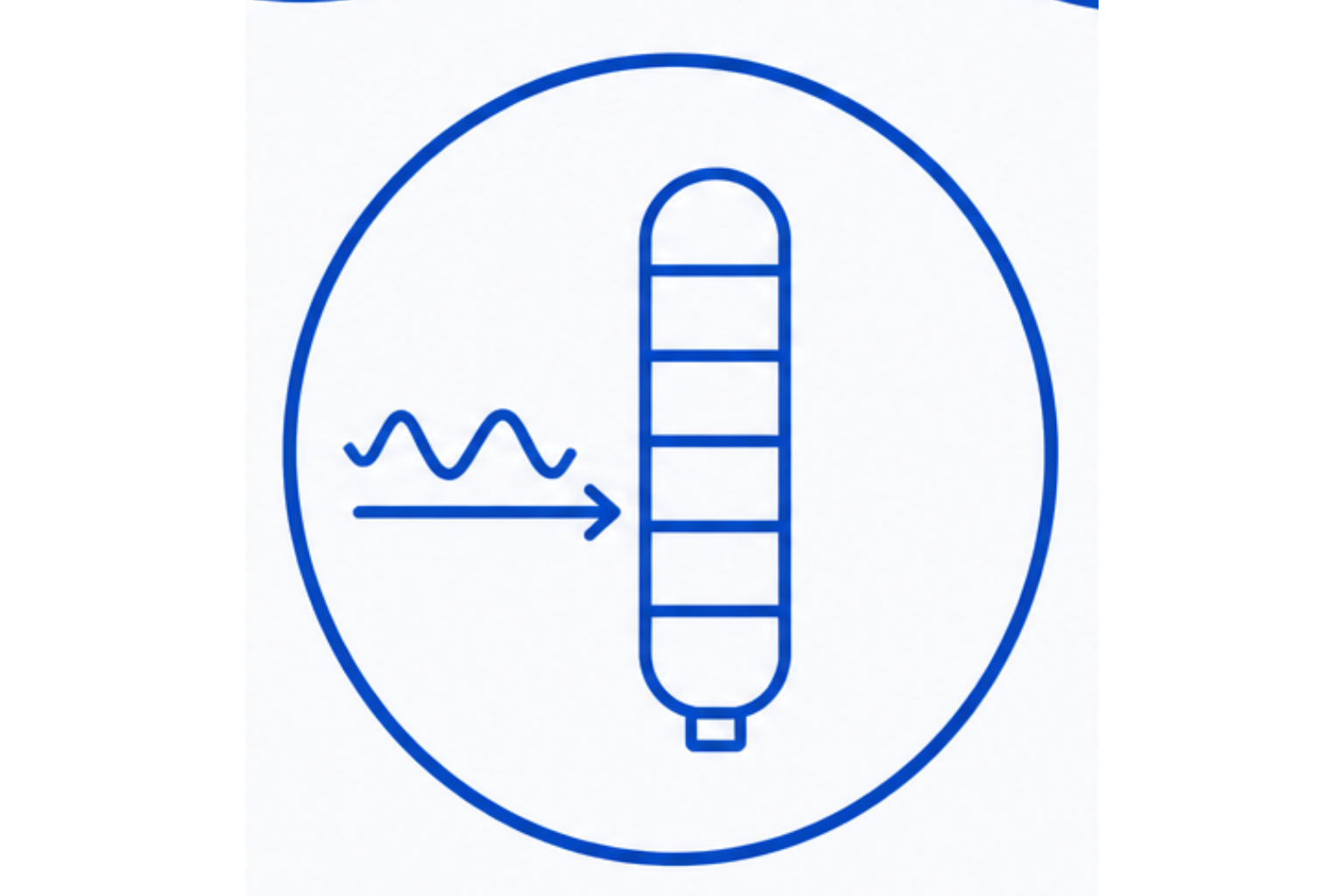
4. Stabilize Feed Conditions
Maintain consistent feed flow: 1. Control upstream systems 2. Avoid sudden load changes 3. Ensure proper purification

5. Improve Control System Response
Optimize control loops: 1. Tune PID parameters properly 2. Avoid aggressive tuning 3. Ensure coordinated control between loops
Struggling with purity fluctuation and column instability?
Apply a structured approach using the Stability Toolkit instead of trial-and-error.
Practical Engineering Insight
Stabilize upstream conditions before adjusting column parameters.
Engineering Perspective
Distillation Column Instability in Cryogenic Nitrogen Plants is rarely an isolated issue — it is typically the result of system-wide imbalance.
In cryogenic plants:
- Feed conditions influence column behavior
- Heat exchanger performance affects thermal balance
- Control systems regulate stability
A disturbance in any one system can propagate across the entire plant.
👉 Therefore, solving Distillation Column Instability in Cryogenic Nitrogen Plants requires:
✔ System-level understanding
✔ Integrated troubleshooting
✔ Structured control strategy
Engineers must move beyond component-level thinking and adopt a holistic approach.
Related Engineering Insights
- Process Instability in Cryogenic Nitrogen Plants
- Cryogenic Heat Exchanger Icing in Nitrogen Plants
- Air Ingress in Cryogenic Nitrogen Plants
Related Engineering Guides
To understand how proper startup and operation help prevent plant trips, refer to:
Step-by-Step Guide to Commissioning a Cryogenic Nitrogen Plant
Engineering Basis
This analysis is supported by established process control and thermodynamic principles:
- International Society of Automation – Control loop behavior, analyzer interaction, and process stability
- Process Control Engineering – System dynamics and feedback interactions
- National Institute of Standards and Technology – Gas property behavior under varying temperature and pressure
Conclusion & Key Takeaways
Consistent pressure, temperature, and reflux control are fundamental to maintaining stable distillation column operation in cryogenic nitrogen plants and directly address Distillation Column Instability in Cryogenic Nitrogen Plants. These parameters govern vapor–liquid equilibrium, separation efficiency, and product purity.
Fluctuations in column pressure alter relative volatility, while temperature deviations disturb the internal thermal profile. Similarly, improper reflux control affects mass transfer efficiency, leading to poor separation and purity instability—key contributors to Distillation Column Instability in Cryogenic Nitrogen Plants.
Maintaining tight control over these variables ensures balanced vapor and liquid flows, stable column hydraulics, and predictable separation performance—ultimately resulting in consistent nitrogen purity, reduced energy consumption, and reliable plant operation while minimizing Distillation Column Instability in Cryogenic Nitrogen Plants.
Achieve Stable Column Operation
Maintain consistent nitrogen purity and improve plant performance through structured stability control.
