


How to Diagnose Nitrogen Plant Instability Step-by-Step
Follow a structured engineering approach to identify and eliminate instability in cryogenic nitrogen plants.
How to Diagnose Nitrogen Plant Instability is one of the most important engineering challenges in cryogenic plant operation because most recurring operational issues originate from process instability in cryogenic nitrogen plants.
Understanding How to Diagnose Nitrogen Plant Instability is essential for achieving stable, efficient, and reliable cryogenic nitrogen plant operation. Instability is one of the most difficult operational problems because, unlike equipment failure, it does not originate from a single identifiable fault.
Instead, instability is a system-level issue caused by interaction between multiple process variables and interconnected plant systems.
Common symptoms include:
- Pressure fluctuations
- Temperature variations
- Flow instability
- Nitrogen purity changes
- Oscillating control behavior
However, these symptoms are often treated as isolated problems, leading to repeated trial-and-error troubleshooting without resolving the actual root cause.
In reality, process instability in cryogenic nitrogen plants usually develops due to imbalance between critical units such as:
- Compressor
- Purification system
- Heat exchanger
- Distillation column
- Expander
Without a structured approach, engineers may repeatedly adjust parameters without understanding the underlying cause of instability.
Understanding How to Diagnose Nitrogen Plant Instability requires a systematic engineering approach focused on trends, interactions, and system-wide behavior rather than isolated symptoms.
Step-By-Step Diagnosis Of Instability

Step 1: Identify the Symptoms
The first step in understanding How to Diagnose Nitrogen Plant Instability is identifying the visible symptoms of unstable operation. Common symptoms include: Pressure fluctuations Temperature variations Nitrogen purity instability Frequent control valve movement Repeated alarms or disturbances 👉 These conditions indicate process instability in cryogenic nitrogen plants, but they do not directly reveal the root cause.

Step 2: Analyze DCS Trends
Trend analysis is one of the most powerful tools for understanding How to Diagnose Nitrogen Plant Instability. Focus on: Pressure trends Temperature profiles Flow variations Purity trends Look for: Oscillations Repeating patterns Correlated disturbances 👉 Instability always creates identifiable patterns in process data.

Step 3: Identify the Affected System
Determine which plant section is most affected: Compressor → flow instability Heat exchanger → temperature imbalance Distillation column → purity fluctuation Expander → refrigeration instability 👉 Identifying the affected system helps narrow down the source of instability.
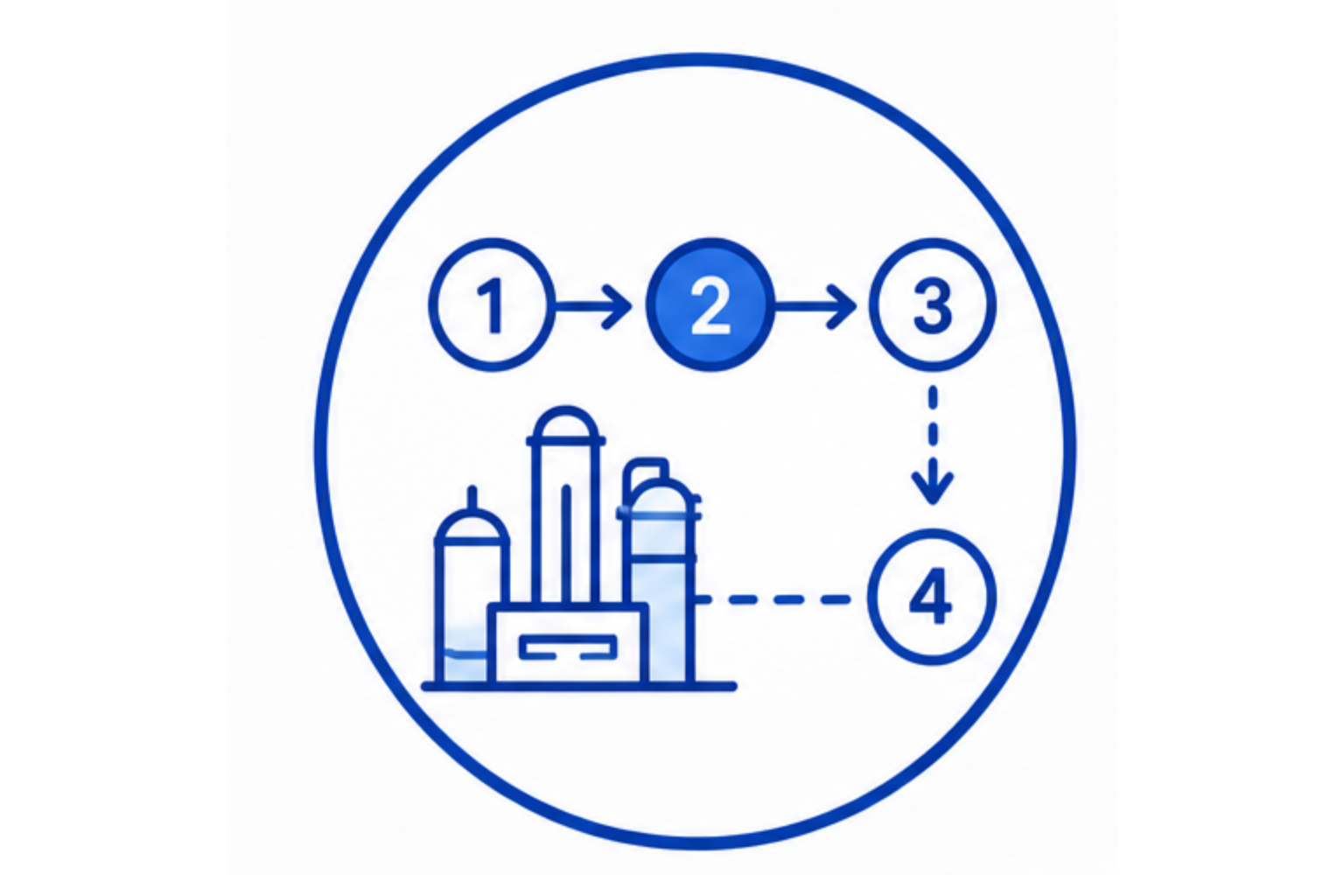
Step 4: Correlate Process Variables
Understanding How to Diagnose Nitrogen Plant Instability requires analyzing relationships between variables because instability rarely exists in isolation. Example: Pressure fluctuation → affects column behavior Column instability → affects purity Purity fluctuation → triggers control response Understanding these interactions is essential for accurate diagnosis.

Step 5: Evaluate Control System Behavior
Check control loops for: Overcorrection Slow response Oscillatory behavior Improper PID tuning is one of the most common contributors to instability in cryogenic nitrogen plants.

Step 6: Check for External Disturbances
External disturbances often initiate instability. Common examples include: Air ingress Feed variation Load changes Equipment issues 👉 These disturbances can propagate throughout the system and create widespread instability.

Step 7: Identify Root Cause
After analyzing symptoms, trends, and system interactions: 👉 Identify the underlying cause—not just the visible symptom. Typical root causes include: System imbalance Control inefficiency Contamination Operational errors Understanding How to Diagnose Nitrogen Plant Instability ultimately depends on identifying these root causes accurately.
How To Confirm The Root Cause
✔ Cross-Check Trends
Ensure that the identified cause aligns with observed process patterns and operating history.
✔ Validate with Process Behavior
Check whether correcting one parameter stabilizes related variables.
✔ Avoid Assumptions
Use trend data and process behavior instead of intuition or guesswork.
Proper validation is essential when applying How to Diagnose Nitrogen Plant Instability effectively.

How to Resolve Instability

1. Stabilize System Conditions
1. Maintain steady pressure, temperature, and flow 2. Avoid rapid operating changes

2. Optimize Control Loops
1. Tune PID parameters carefully 2. Ensure smooth and stable response

3. Eliminate Disturbances
1. Fix air ingress 2. Stabilize feed conditions 3. Remove contamination sources
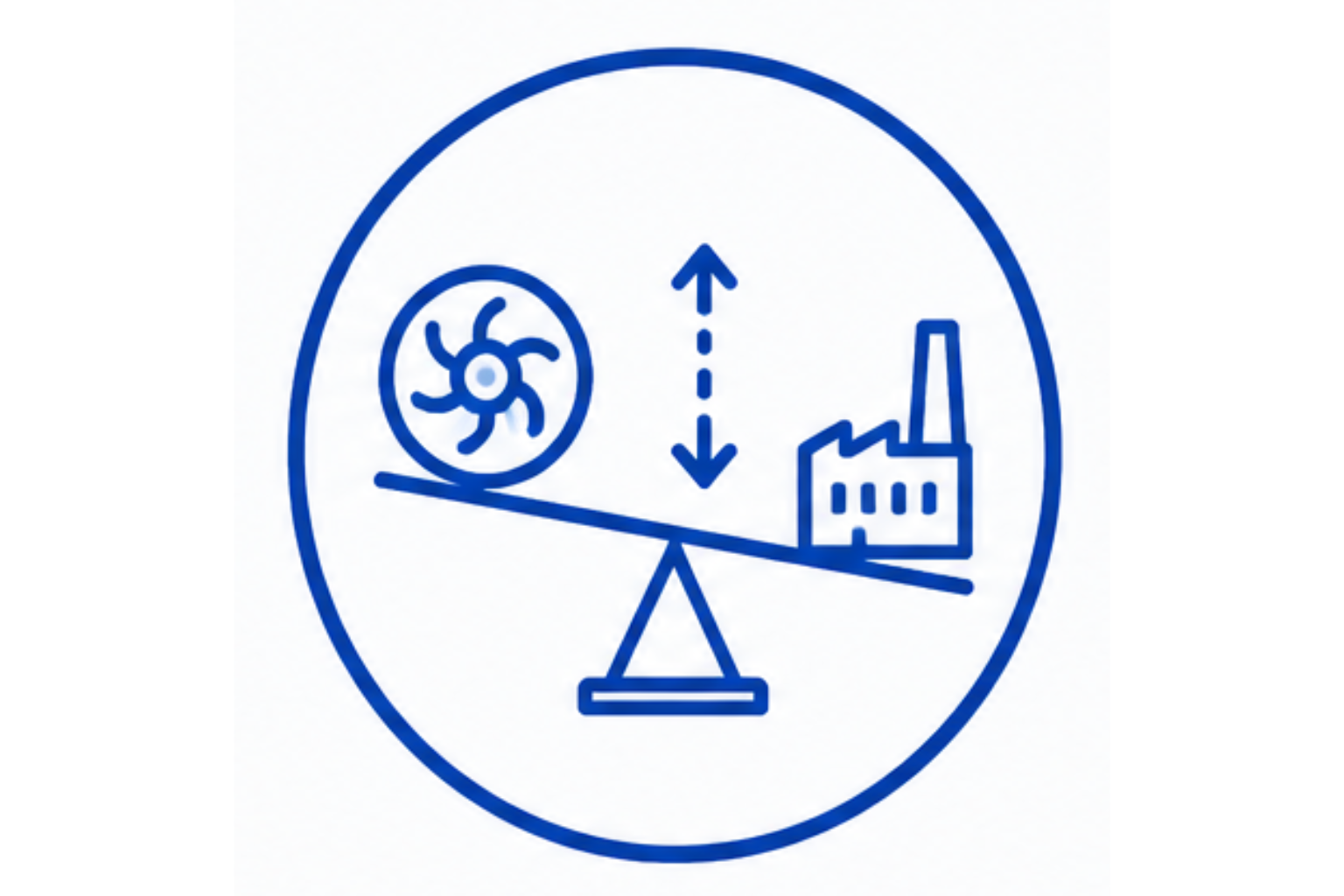
4. Maintain System Balance
1. Ensure coordinated operation between all process units 2. Avoid overloading or underloading systems

5. Use Structured Approach
1. Follow systematic troubleshooting methods 2. Avoid repeated trial-and-error adjustments
Practical Engineering Insight
Understanding How to Diagnose Nitrogen Plant Instability requires a shift in engineering mindset.
Instead of asking:
❌ “Which parameter is fluctuating?”
Engineers should ask:
✅ “Why is the system unstable?”
In cryogenic nitrogen plants:
- Instability is system behavior
- Symptoms are interconnected
- Root causes originate from imbalance
👉 Therefore, solving instability requires a system-level engineering approach, not isolated component-level corrections.
Related Engineering Guides
Engineering Basis
This analysis is supported by established process control and thermodynamic principles:
- International Society of Automation – Control loop behavior, analyzer interaction, and process stability
- Process Control Engineering – System dynamics and feedback interactions
- National Institute of Standards and Technology – Gas property behavior under varying temperature and pressure
Conclusion & Key Takeaways
Understanding How to Diagnose Nitrogen Plant Instability is essential for achieving stable, efficient, and reliable cryogenic nitrogen plant operation. Instability is rarely caused by a single fault—it is typically the result of interconnected system behavior, imbalance between process units, or improper control response.
Without structured diagnosis, engineers often react to symptoms such as pressure fluctuation, purity instability, or temperature variation without identifying the actual root cause. This leads to repeated troubleshooting cycles and recurring operational issues.
Understanding How to Diagnose Nitrogen Plant Instability requires a systematic engineering approach based on trend analysis, process correlation, and system-level understanding rather than isolated parameter adjustment.
🔑 Key Takeaways
✔ Process instability in cryogenic nitrogen plants is a system-level problem
✔ Pressure, temperature, flow, and purity fluctuations are interconnected symptoms
✔ Trend analysis is one of the most effective diagnostic tools
✔ Disturbances propagate across compressors, columns, expanders, and heat exchangers
✔ Improper PID tuning is a major contributor to instability
✔ Air ingress and contamination can trigger widespread process imbalance
✔ Root cause identification requires correlation between multiple parameters
✔ Structured troubleshooting is more effective than trial-and-error adjustments
✔ Stable operation depends on coordinated behavior across all plant systems
Diagnose Instability with Confidence
👉 Use the Stability Toolkit to apply structured diagnosis, identify root causes, and achieve stable cryogenic nitrogen plant operation.
