Air Ingress in Cryogenic Nitrogen Plants — Detection, Causes, and Impact

Identify and eliminate air ingress to maintain purity, stability, and safe plant operation.

Even small air leaks can introduce moisture and contaminants, leading to instability, freezing risks, and reduced nitrogen purity.

Air Ingress in Cryogenic Nitrogen Plants

Air Ingress in Cryogenic Nitrogen Plants is one of the most critical yet often overlooked problems in plant operation. Unlike equipment failures that present clear symptoms, air ingress typically develops gradually and remains undetected until it begins to affect plant performance.

Cryogenic systems are designed to operate under highly controlled and contamination-free conditions. The introduction of atmospheric air into the process disrupts this balance by introducing:

  • Moisture (H₂O)
  • Carbon dioxide (CO₂)
  • Oxygen and other impurities

These contaminants interfere with cryogenic processes at multiple levels, including:

  • Heat exchange efficiency
  • Distillation column separation
  • Refrigeration balance
  • Purification system performance

Because the system operates at extremely low temperatures, even trace amounts of contaminants can cause serious operational issues, such as:

  • Heat exchanger icing
  • Cold box freezing
  • Nitrogen purity degradation
  • Process instability

👉 The biggest challenge with Air Ingress in Cryogenic Nitrogen Plants is that it often appears as a secondary symptom—such as purity fluctuation or instability—rather than an obvious primary cause.

Understanding how Air Ingress in Cryogenic Nitrogen Plants occurs, how to detect it early, and how to prevent it is essential for maintaining stable and efficient plant operation.

What is Air Ingress in Cryogenic Nitrogen Plants?

Air ingress refers to the unintended entry of atmospheric air into the cryogenic process system.

This typically occurs due to:

  • Mechanical leaks
  • Seal failures
  • Improper system pressure conditions
  • Operational errors

Once air enters the system, it becomes part of the process stream, introducing contaminants that were never intended to be present.


Why Air Ingress is Dangerous

Cryogenic processes rely on:

  • Clean feed gas
  • Controlled thermal conditions
  • Stable pressure and flow

Air ingress disrupts all three.

Immediate effects:

  • Increase in oxygen content
  • Introduction of moisture and CO₂
  • Change in process composition

Secondary effects:

  • Freezing inside heat exchangers
  • Blockage in cryogenic passages
  • Disturbance in separation equilibrium

👉 Unlike mechanical faults, contamination spreads across the entire system, making it difficult to isolate.
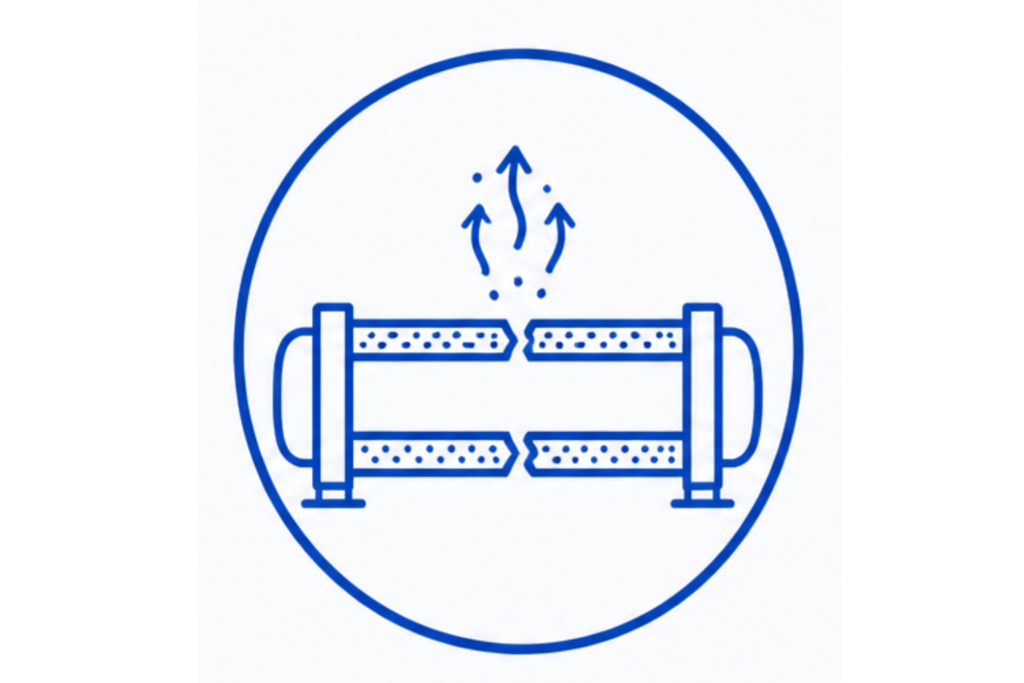
Quick Engineering Summary

Air ingress introduces moisture and contaminants, affecting purity, thermal balance, and system stability.

Common Causes of Air Ingress in Cryogenic Nitrogen Plants

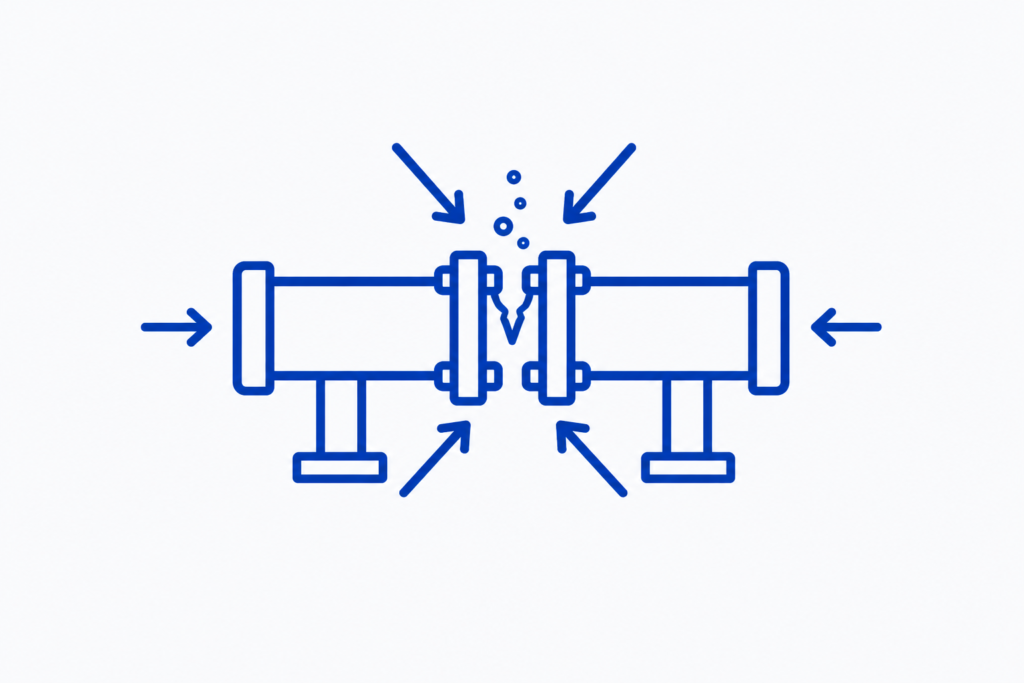
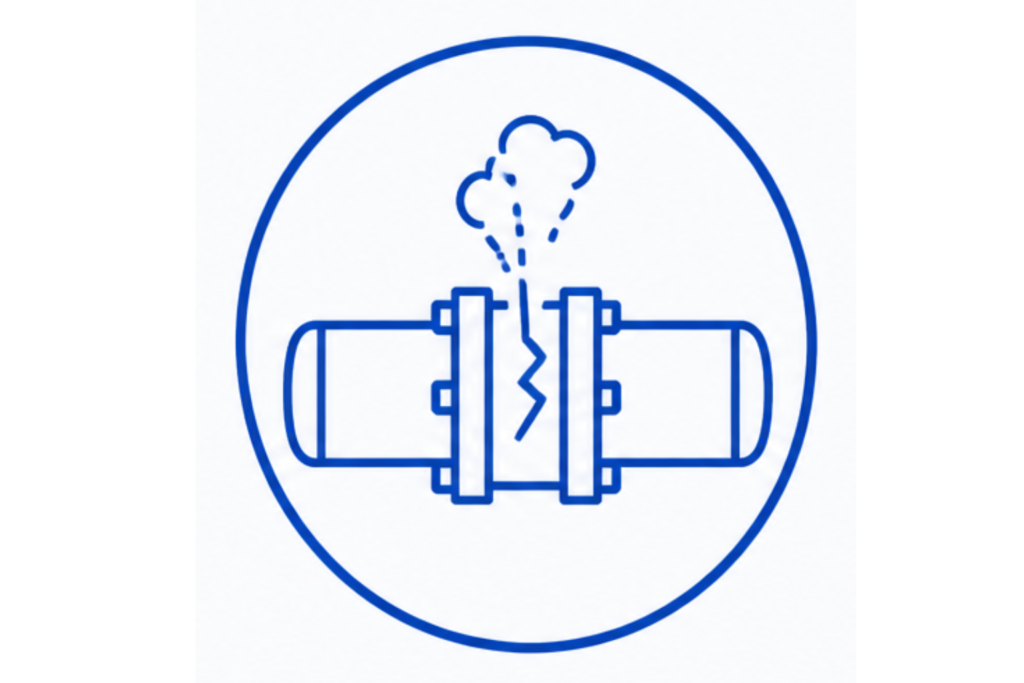
1. Leak in Pipelines or Flanges

Mechanical leakage is the most common source.

Causes include:

  • Improper gasket installation
  • Loose flanges
  • Corrosion or wear
  • Thermal expansion effects

Even minor leaks can allow air to enter, especially under negative pressure conditions.

2. Vacuum Insulation Failure

Cryogenic pipelines and cold boxes rely on vacuum insulation.

Loss of vacuum can lead to:

  • External air ingress
  • Heat leak into the system
  • Reduced insulation performance

This affects both thermal stability and contamination control.

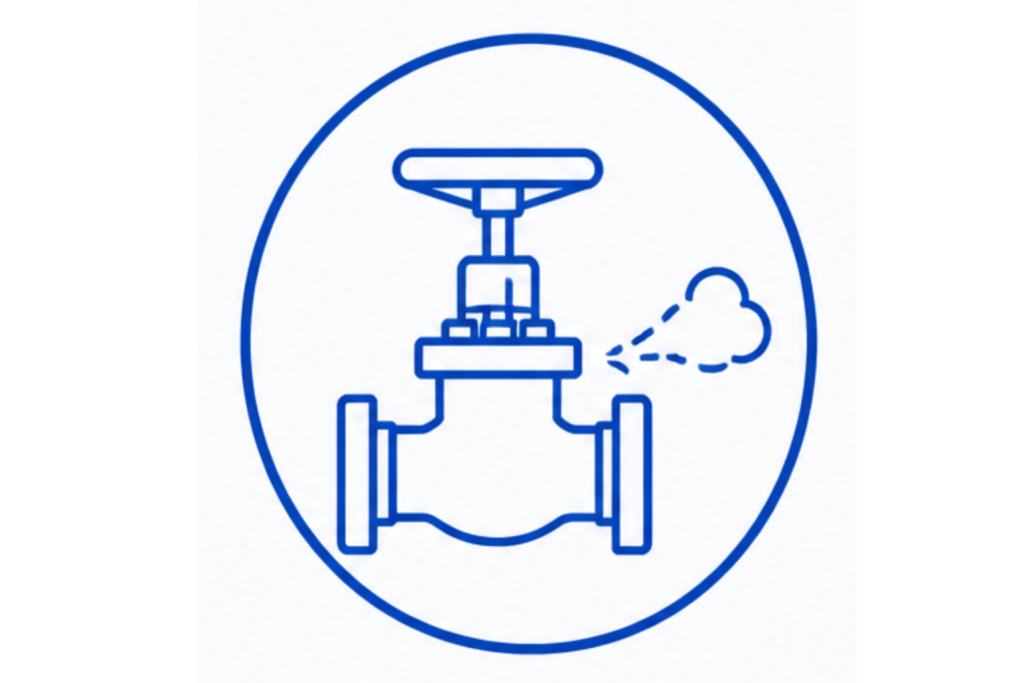
3. Improper Valve Sealing

Valves are critical sealing points.

Issues include:

  • Worn seals
  • Improper seating
  • Leakage through valve internals

This can allow air to enter continuously without being easily detected.

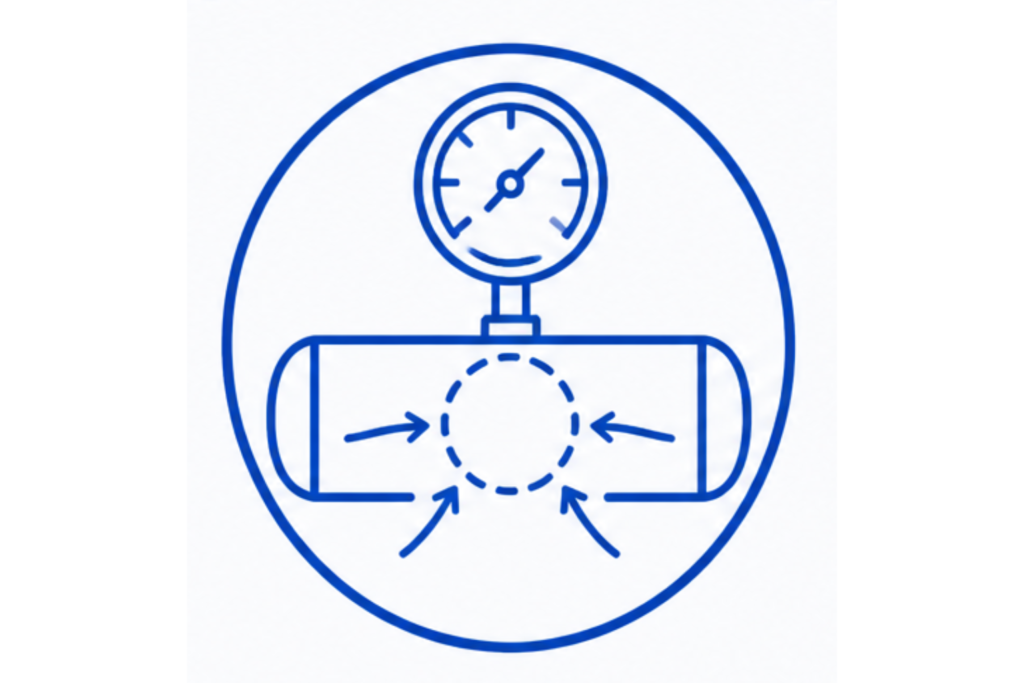
4. Low Pressure Zones

Air ingress often occurs in areas where system pressure falls below atmospheric pressure.

Common scenarios:

  • During startup or shutdown
  • During load reduction
  • Improper pressure control

👉 Negative pressure conditions actively draw air into the system.

5. Maintenance or Operational Errors

Human factors also contribute:

  • Opening systems without proper isolation
  • Improper purging
  • Incomplete leak testing after maintenance

These can introduce contaminants directly into the process.

How to Detect Air Ingress in Cryogenic Nitrogen Plants

Early detection is critical to prevent escalation.


🔍 Key Indicators

  • Gradual drop in nitrogen purity
  • Increase in oxygen concentration
  • Abnormal temperature behavior in the cold box
  • Unexpected pressure variations
  • Presence of moisture or CO₂ in purification system

📊 Advanced Detection Signs

🔸 Heat exchanger temperature deviation

Unexpected temperature rise indicates contamination or freezing.

🔸 Increased regeneration load in molecular sieve

Higher impurity removal demand suggests ingress.

🔸 Unstable column performance

Purity fluctuation and separation inefficiency.

🔸 Trend deviation

Slow but continuous drift in key parameters.


👉 Air ingress rarely appears suddenly—it develops gradually and must be identified through trend analysis.

Suspecting contamination or air ingress?

👉 Use the Stability Toolkit to detect and control process disturbances.
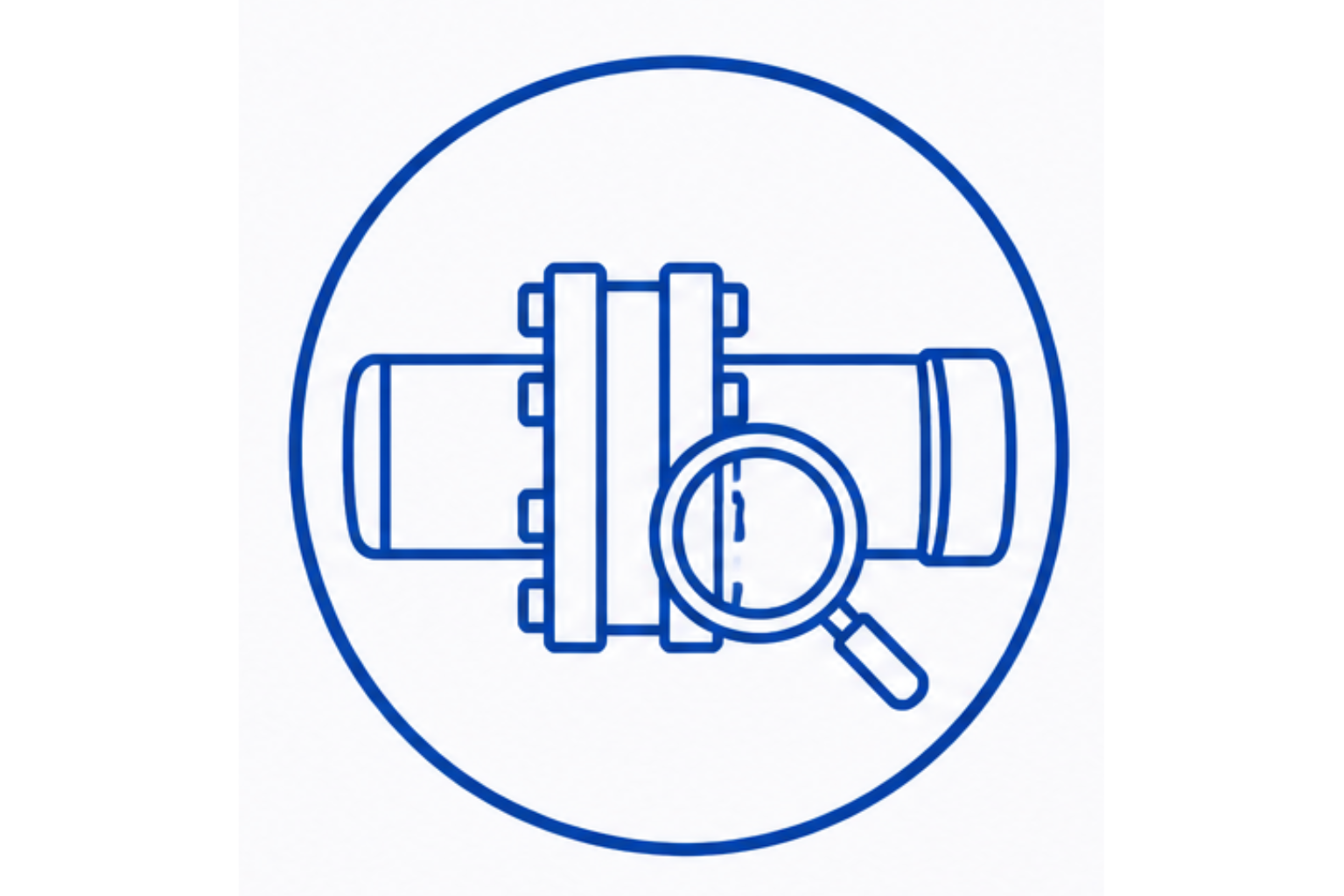
Impact of Air Ingress in Cryogenic Nitrogen Plants

Air ingress has wide-ranging consequences.


🔻 Nitrogen Purity Degradation

Contaminants interfere with separation, reducing product quality.


🔻 Freezing Risks in Cold Box

Moisture and CO₂ freeze at cryogenic temperatures, causing:

  • Blockage
  • Reduced heat transfer
  • Operational failure

🔻 Increased Load on Purification Systems

Molecular sieve systems must work harder to remove impurities.


🔻 Process Instability and Fluctuations

Contamination disturbs thermal and flow balance.


🔻 Reduced Plant Efficiency

Energy consumption increases due to inefficiencies.


👉 In many cases, air ingress is the hidden root cause behind multiple plant issues, including icing, instability, and purity fluctuation.

Key Engineering Insight

Air ingress is often misdiagnosed as process instability but is actually a contamination issue.

How to Prevent and Control

1. Leak Detection and Sealing

1. Perform regular leak testing 2. Inspect flanges, joints, and valves 3. Use proper sealing materials 4. Ensure correct installation
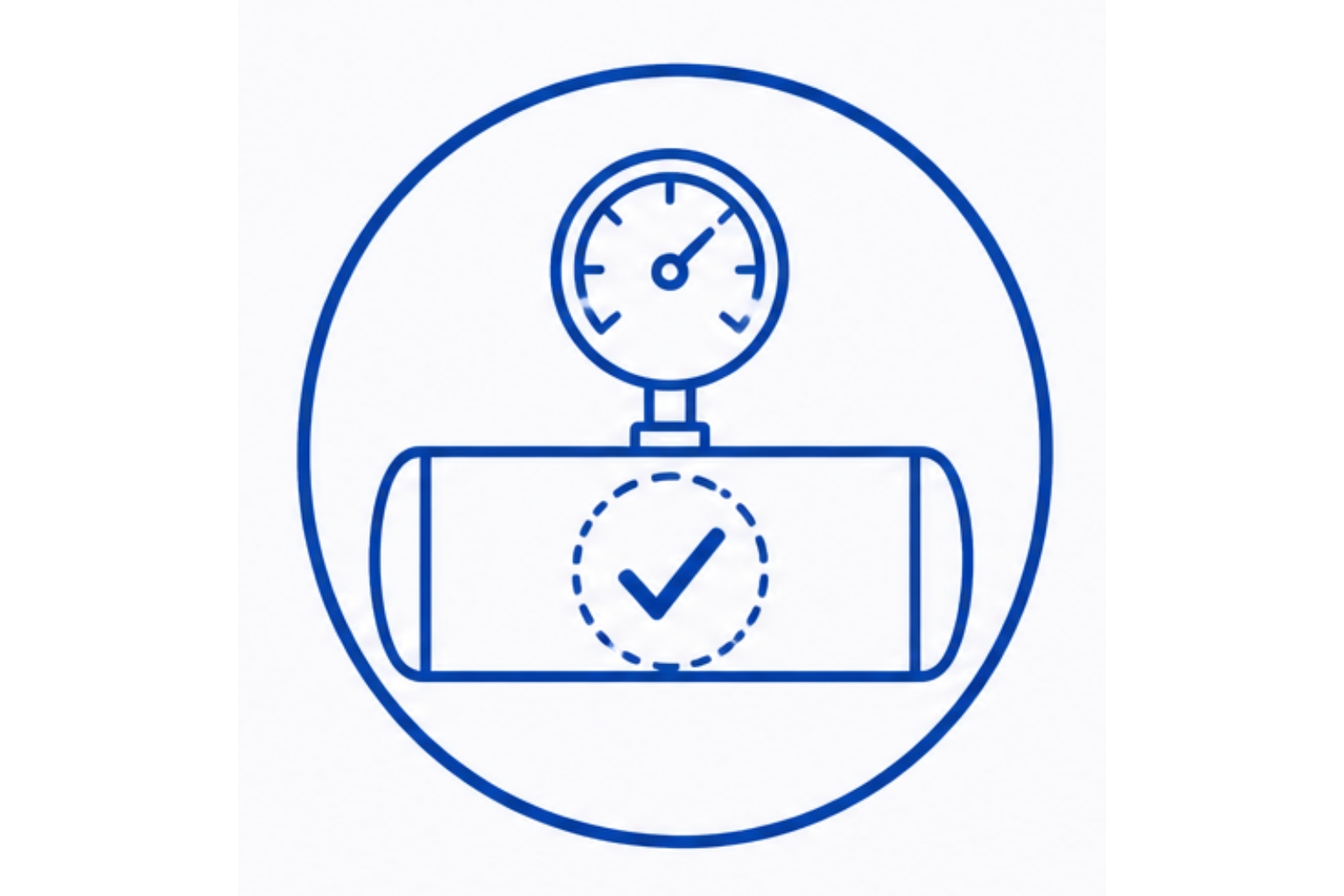
2. Maintain Proper Pressure Conditions

1. Avoid negative pressure zones 2. Ensure stable pressure control 3. Monitor pressure trends closely
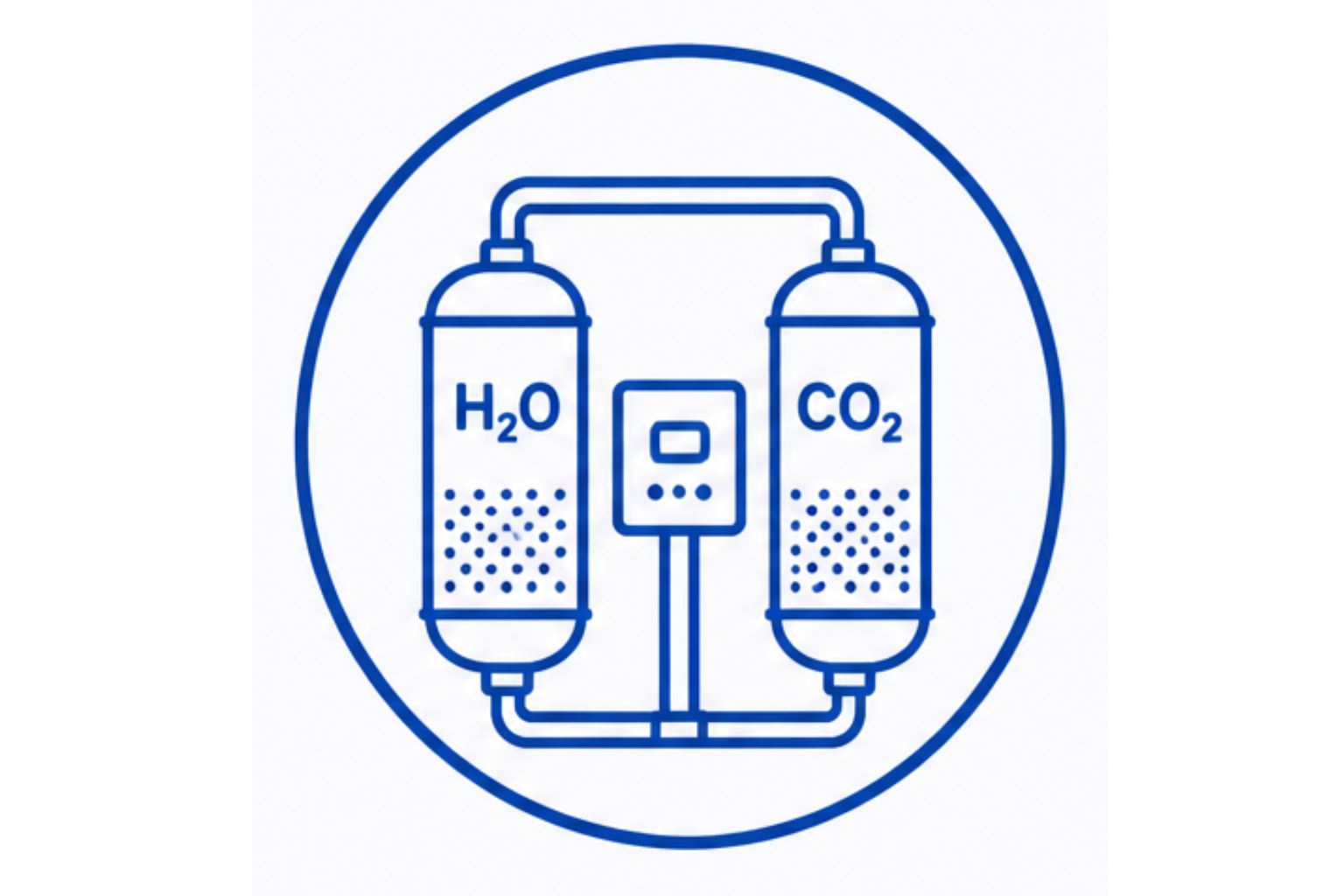
3. Monitor Purification System

1. Track moisture and CO₂ levels 2. Ensure proper regeneration cycles 3. Detect abnormal loading early
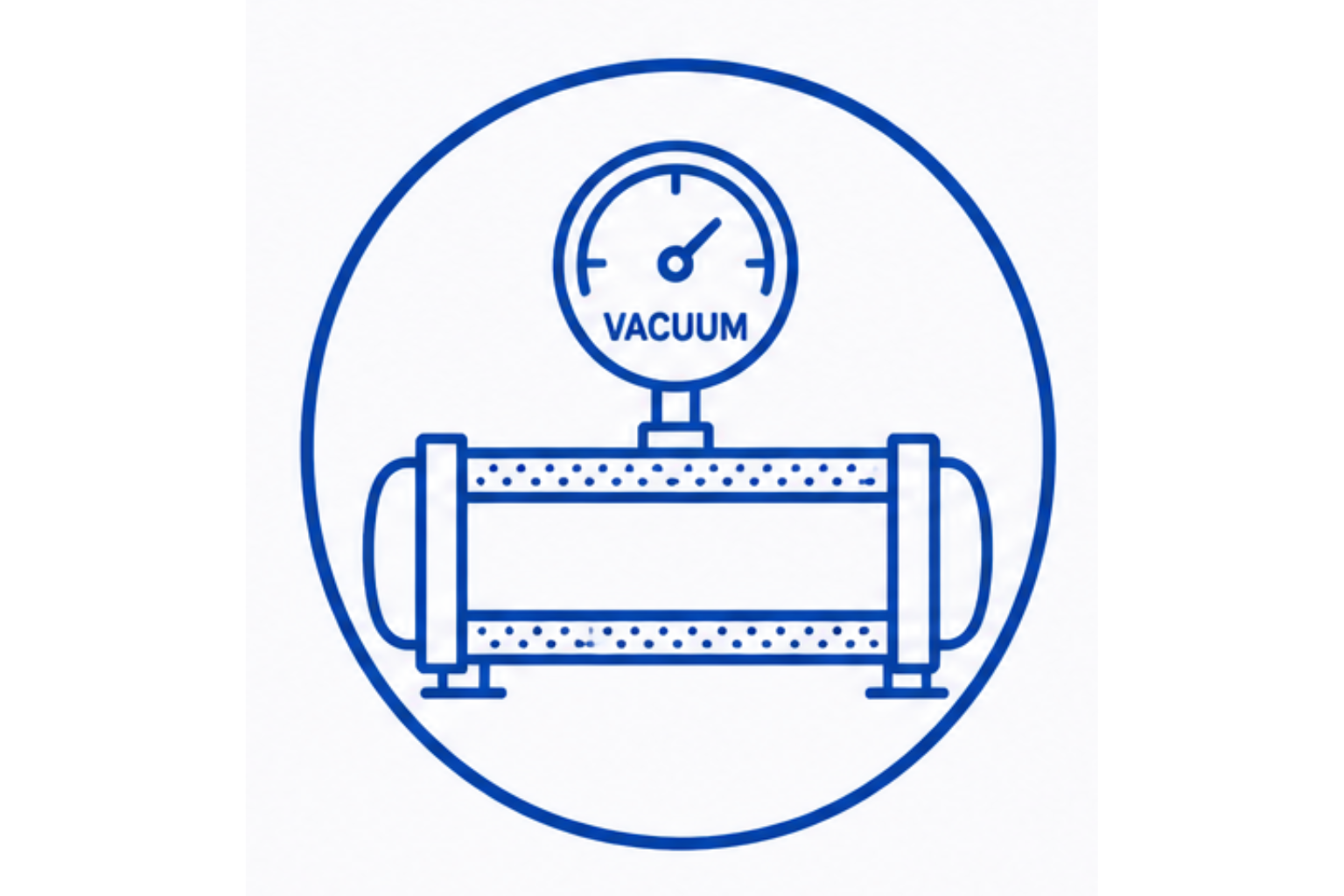
4. Maintain Vacuum Integrity

1. Check vacuum insulation regularly 2. Monitor vacuum levels 3. Repair leaks immediately

5. Follow Proper Operating Procedures

1. Use correct startup and shutdown procedures 2. Ensure proper purging before operation 3. Maintain system isolation during maintenance

👉 Facing unexplained purity drop or instability?
Diagnose and fix using the Stability Toolkit instead of trial-and-error adjustments.

Practical Engineering Insight

Monitor purity trends along with oxygen and moisture indicators to detect early ingress.

Engineering Perspective

Air Ingress in Cryogenic Nitrogen Plants is frequently misdiagnosed as:

  • Equipment malfunction
  • Control system issue
  • Process instability

However, in reality, Air Ingress in Cryogenic Nitrogen Plants is a contamination problem that affects multiple systems simultaneously.

Air ingress impacts:

  • Purification system → increased load
  • Heat exchanger → icing risk
  • Distillation column → purity fluctuation
  • Overall system → instability

👉 A single source of ingress can trigger multiple downstream problems.

Engineers must:

✔ Think beyond symptoms
✔ Identify contamination sources
✔ Use system-level diagnostics
✔ Apply structured corrective actions to eliminate Air Ingress in Cryogenic Nitrogen Plants and ensure stable operation.

Related Engineering Guides

To understand how proper startup and operation help prevent plant trips, refer to:

👉 Step-by-Step Guide to Commissioning a Cryogenic Nitrogen Plant

Engineering Basis

This analysis is supported by established process control and thermodynamic principles:

Conclusion & Key Takeaways

Preventing Air Ingress in Cryogenic Nitrogen Plants is critical for maintaining stable and efficient cryogenic operation, as even small leaks introduce moisture, CO₂, and impurities that disrupt thermal balance, reduce heat exchanger efficiency, and destabilize the distillation process.

Uncontrolled Air Ingress in Cryogenic Nitrogen Plants can lead to icing, cold box freezing, purity fluctuations, and increased energy consumption—eventually causing plant trips or long-term performance degradation.

Maintaining tight system integrity, proper sealing, and consistent monitoring ensures reliable operation, protects equipment, and preserves overall plant performance by minimizing Air Ingress in Cryogenic Nitrogen Plants.

Eliminate Hidden Contamination Risks

Prevent air ingress and maintain stable, high-purity nitrogen production.

Leave a Comment

Your email address will not be published. Required fields are marked *

Scroll to Top