

Why Cryogenic Heat Exchangers Freeze — Causes and Prevention

Understand the real causes of freezing and how to prevent heat exchanger failure in cryogenic nitrogen plants.

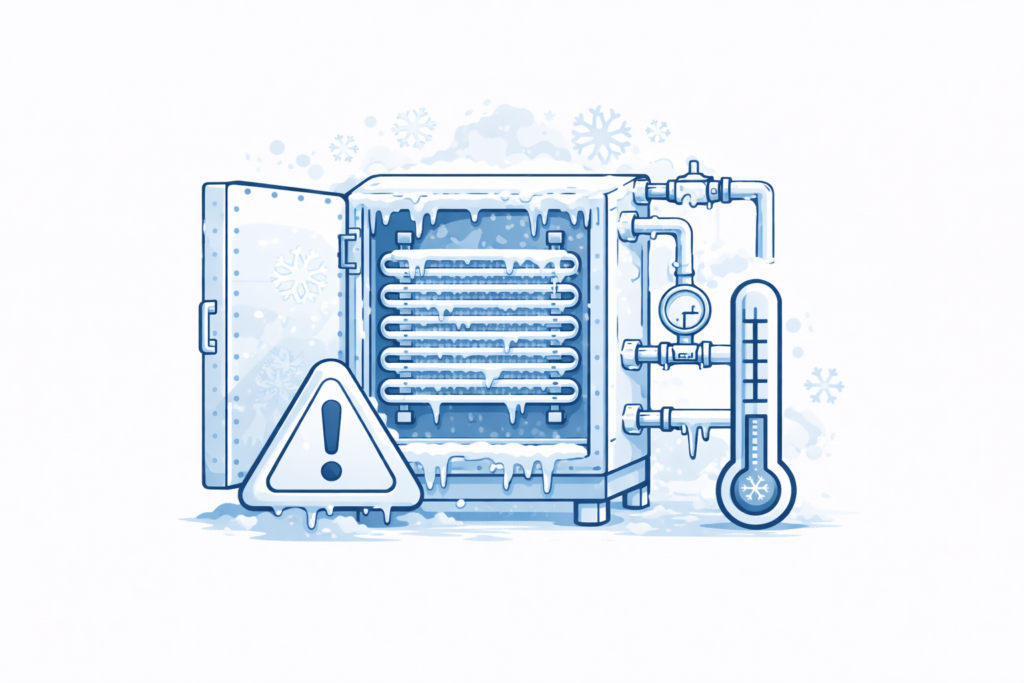
Freezing in heat exchangers is one of the most critical issues in cryogenic systems and is often linked to process instability in cryogenic nitrogen plants and contamination.

Why Cryogenic Heat Exchangers Freeze

Why Cryogenic Heat Exchangers Freeze is a critical operational concern in cryogenic nitrogen plants because heat exchangers play a central role in enabling efficient heat transfer between incoming air and outgoing cold streams. This process is essential for achieving the extremely low temperatures required for air separation.

Under ideal conditions, the heat exchanger operates with a stable temperature gradient, ensuring smooth and efficient thermal exchange. However, in real plant operation, one of the most serious problems encountered is heat exchanger freezing.

Understanding Why Cryogenic Heat Exchangers Freeze begins with understanding contamination behavior at cryogenic temperatures. Freezing occurs when contaminants such as moisture (H₂O) or carbon dioxide (CO₂) enter the system and solidify under extremely low-temperature conditions. Even trace amounts of these impurities can accumulate and eventually block flow passages within the heat exchanger.

If not addressed, freezing can lead to:

  • Reduced heat transfer efficiency
  • Increased pressure drop
  • Severe process instability
  • Complete blockage of flow paths
  • Plant trips and shutdown

In many cases, freezing is linked to Air Ingress in Cryogenic Nitrogen Plants, ineffective purification, or process instability in cryogenic nitrogen plants.

Understanding Why Cryogenic Heat Exchangers Freeze is essential for maintaining stable refrigeration, efficient heat transfer, and reliable long-term plant operation.

Why Cryogenic Heat Exchangers Freeze

1. Air Ingress and Contamination

The most common cause of freezing is contamination due to air ingress.

When atmospheric air enters the system, it introduces:

  • Moisture (H₂O)
  • Carbon dioxide (CO₂)

At cryogenic temperatures:

  • Moisture freezes as ice
  • CO₂ solidifies as dry ice

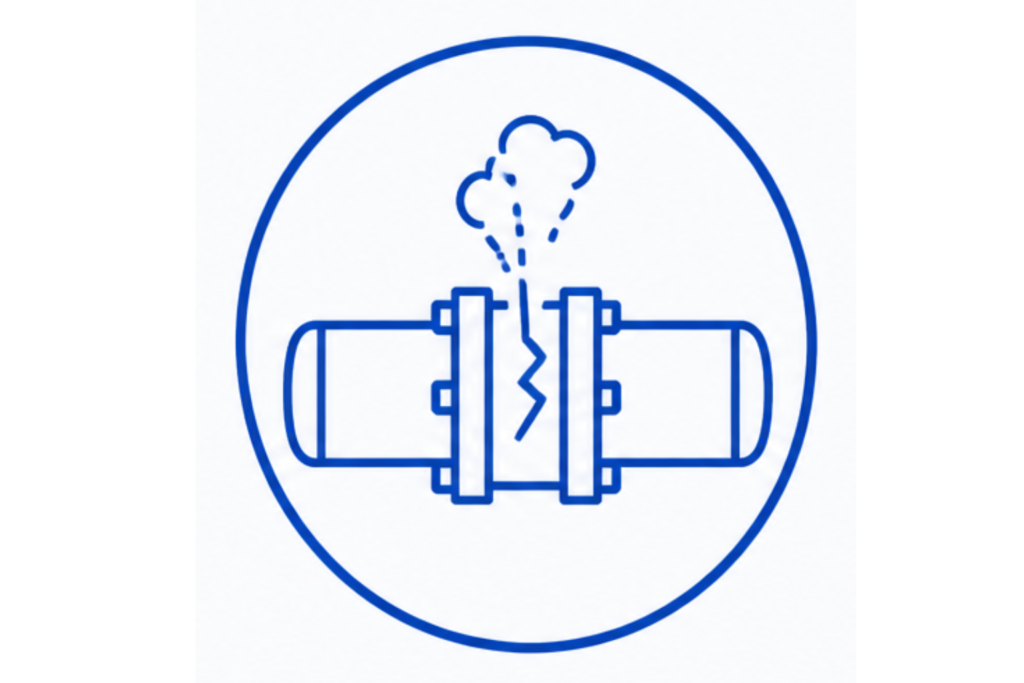
These solids accumulate in the heat exchanger, restricting flow and reducing efficiency.

👉 This makes Air Ingress in Cryogenic Nitrogen Plants a primary root cause of freezing.

2. Incomplete Purification

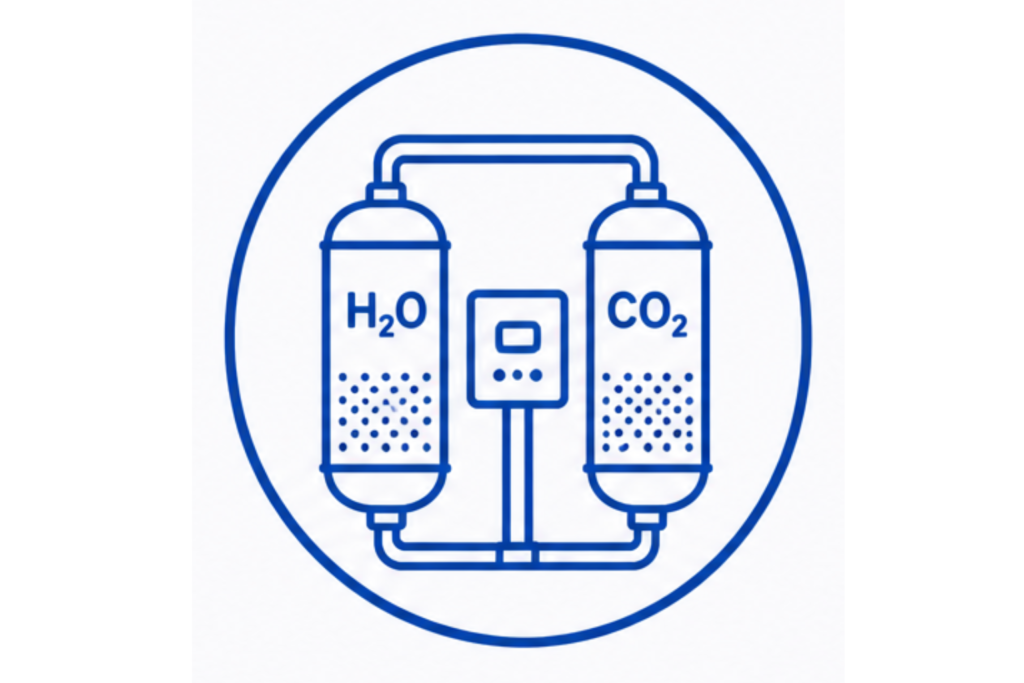
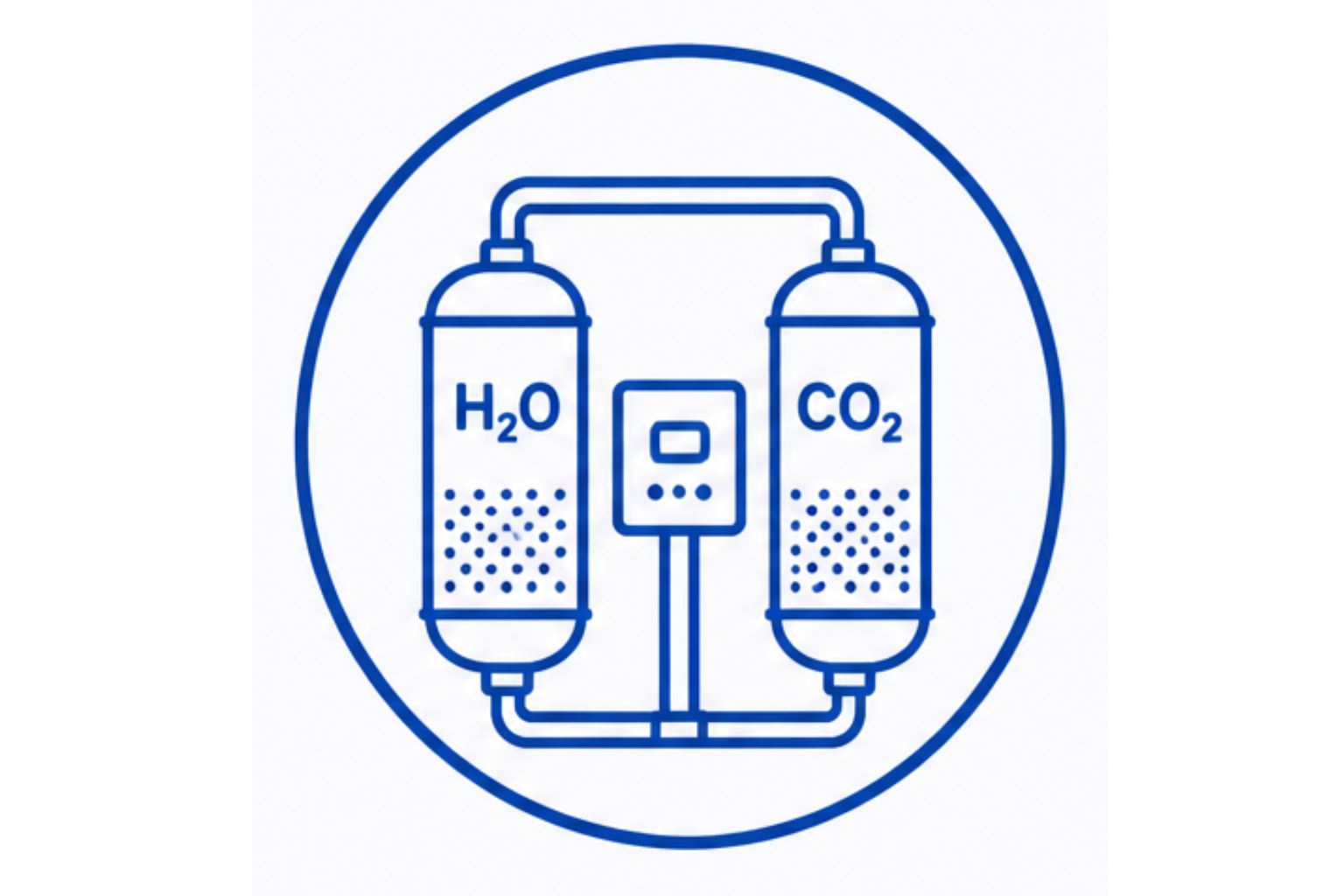
Cryogenic plants rely on molecular sieve systems to remove moisture and CO₂ before air enters the cold box.

If purification is ineffective:

  • Moisture passes into the system
  • CO₂ is not fully removed

This leads to gradual accumulation of solids in the heat exchanger.

Common reasons include:

  • Saturated molecular sieve beds
  • Improper regeneration
  • Operational errors

3. Process Instability

Process instability in cryogenic nitrogen plants can also contribute to freezing.

When the system is unstable:

  • Temperature distribution becomes uneven
  • Flow patterns change
  • Local cold spots develop

These conditions increase the likelihood of freezing, even with low contamination levels.

4. Temperature Imbalance

A properly functioning heat exchanger requires a uniform temperature profile.

If temperature distribution becomes uneven:

  • Certain sections become excessively cold
  • Contaminants freeze more rapidly

Temperature imbalance is often caused by:

  • Flow instability
  • Expander fluctuations
  • Improper operating conditions

5. Low Flow or Stagnation Zones

Reduced flow in certain sections of the heat exchanger can lead to localized freezing.

In these areas:

  • Heat transfer is reduced
  • Cold zones develop
  • Contaminants accumulate

This gradually leads to blockage.

How To Identify Heat Exchanger Freezing

Early detection is critical to prevent severe damage and maintain stable operation. Understanding Why Cryogenic Heat Exchangers Freeze requires close monitoring of thermal behavior, pressure trends, and overall system performance.

🔍 Key Indicators

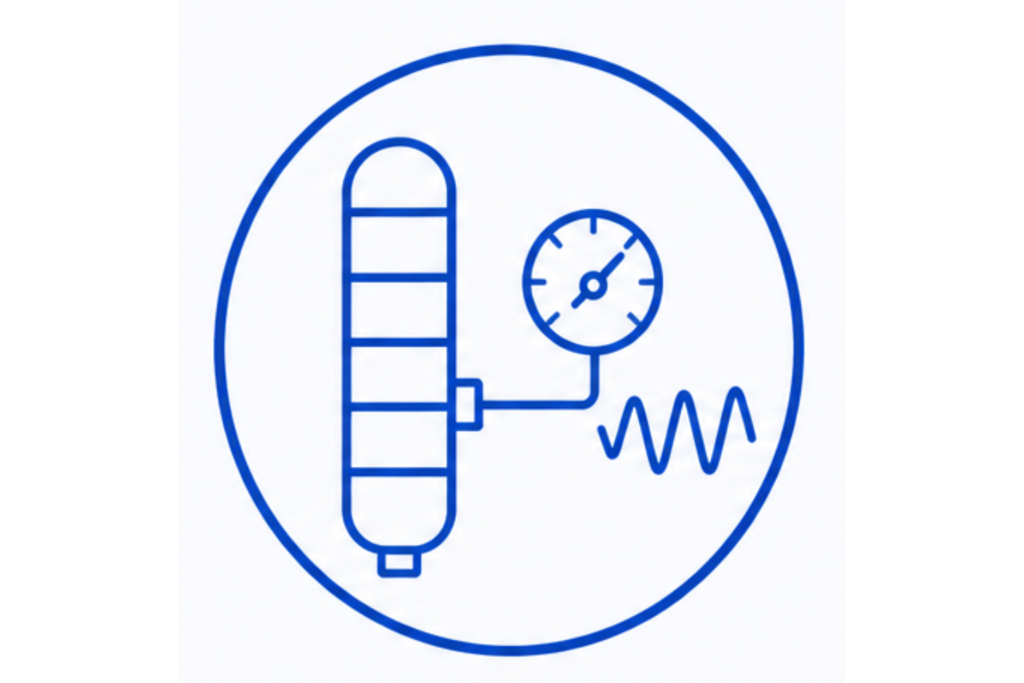
  • Gradual increase in pressure drop across heat exchanger
  • Abnormal temperature profiles
  • Reduced cooling efficiency
  • Decrease in nitrogen purity
  • Unstable process conditions

These symptoms are often early warning signs of contamination buildup and developing blockage inside the heat exchanger.

🔎 Advanced Diagnostic Signs

🔸 Temperature Deviation

Unexpected temperature rise or drop indicates blockage, thermal imbalance, or restricted flow inside the heat exchanger. Temperature deviation is one of the strongest indicators when diagnosing Why Cryogenic Heat Exchangers Freeze.


🔸 Increasing Compressor Load

Higher energy consumption and increased compressor load occur because inefficient heat exchange reduces overall thermal performance.


🔸 Process Instability

Fluctuations in pressure, temperature, and flow are commonly linked to freezing effects and are often associated with process instability in cryogenic nitrogen plants.

👉 In many cases, understanding Why Cryogenic Heat Exchangers Freeze depends on recognizing these indirect effects on overall system performance rather than waiting for complete blockage or plant trips.

How To Prevent Heat Exchanger Freezing

1. Ensure Effective Purification

1. Maintain molecular sieve performance 2. Ensure proper regeneration cycles 3. Monitor moisture and CO₂ levels 👉 This is the first and most critical line of defense.
2. Prevent Air Ingress

1. Inspect pipelines and flanges 2. Maintain proper sealing 3. Avoid negative pressure zones Preventing contamination eliminates the root cause of freezing.

3. Maintain Stable Process Conditions

1. Avoid pressure and flow fluctuations 2. Ensure steady operation 3. Minimize system disturbances Stable operation reduces freezing risk.
4. Monitor Temperature Profiles

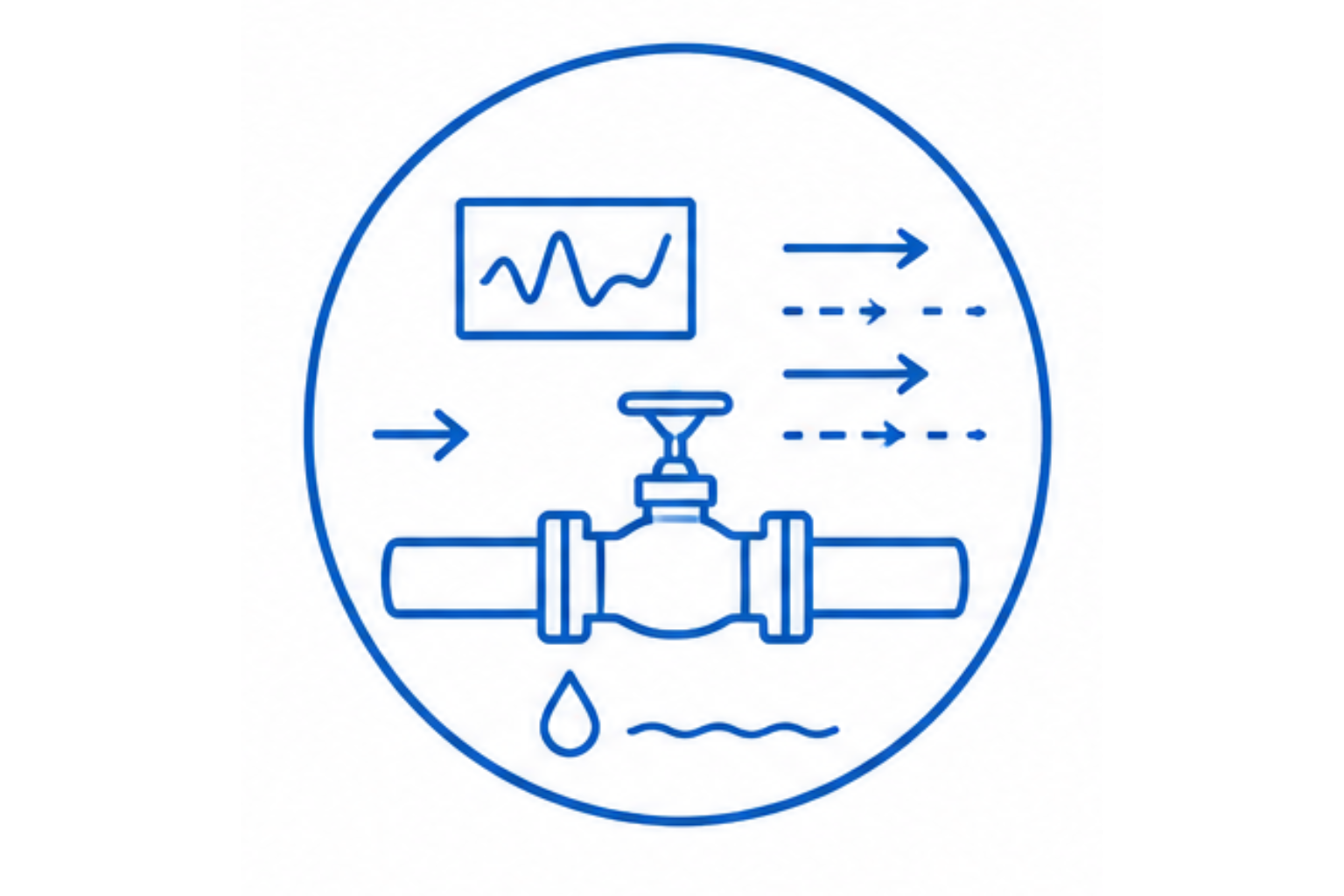
1. Track temperature trends across the heat exchanger 2. Identify abnormal patterns early
5. Maintain Proper Flow Distribution

1. Avoid low-flow or stagnant zones 2. Ensure uniform flow across all sections

Practical Engineering Insight

Heat exchanger freezing is not just a mechanical issue—it is a system contamination and stability problem.

In cryogenic nitrogen plants:

  • Contamination introduces freezing potential
  • Instability amplifies freezing risk
  • Thermal imbalance accelerates blockage

👉 Therefore, preventing freezing requires:

  • Clean feed conditions
  • Stable operation
  • Proper system balance

Related Engineering Guides

To understand how proper startup and operation help prevent plant trips, refer to:

👉 Step-by-Step Guide to Commissioning a Cryogenic Nitrogen Plant

Engineering Basis

This analysis is supported by established process control and thermodynamic principles:

Conclusion & Key Takeaways

Why Cryogenic Heat Exchangers Freeze is directly connected to contamination, thermal imbalance, and unstable operating conditions in cryogenic nitrogen plants. Heat exchangers operate at extremely low temperatures, where even trace amounts of moisture or CO₂ can solidify and gradually block flow passages.

In most cases, freezing is not an isolated equipment issue—it is a symptom of deeper problems such as Air Ingress in Cryogenic Nitrogen Plants, purification inefficiency, or process instability in cryogenic nitrogen plants.

Understanding Why Cryogenic Heat Exchangers Freeze is essential for maintaining stable refrigeration, efficient heat transfer, and reliable long-term plant performance.

🔑 Key Takeaways

✔ Moisture and CO₂ contamination are the primary causes of freezing
✔ Air ingress significantly increases icing and blockage risk
✔ Effective purification is critical for preventing contamination
✔ Temperature imbalance accelerates freezing inside the heat exchanger
✔ Increasing pressure drop is an early warning sign of blockage
✔ Stable thermal and flow conditions reduce freezing risk
✔ Trend analysis helps detect freezing before severe damage occurs
✔ Preventing contamination is more effective than reactive troubleshooting

Prevent Freezing and Maintain Stable Operation

Heat exchanger freezing can severely impact plant performance and reliability.

👉 Use the Troubleshooting Toolkit to detect contamination, stabilize process conditions, and prevent freezing issues.

Leave a Comment

Your email address will not be published. Required fields are marked *

Scroll to Top