
How to Read Nitrogen Plant Trends to Predict Failures Before They Happen

Nitrogen plant trend analysis

Nitrogen plant trend analysis is one of the most powerful yet underused skills in cryogenic operations.

Most failures in a cryogenic nitrogen plant do not occur suddenly. They develop slowly through small changes in temperature, pressure, purity, and energy consumption — long before alarms or trips appear.

Engineers who understand nitrogen plant trend analysis can detect instability, freezing risks, and equipment problems days or even weeks in advance.

In this guide, you’ll learn:

  • Which trends matter most in nitrogen plants

  • What normal vs abnormal patterns look like

  • How to recognize early failure signatures

  • How to act before problems escalate

šŸ‘‰ Engineers often use a structuredĀ Trend Reading Pattern GuideĀ to quickly interpret plant signals and link them to failure modes.

Process trends provide early warning signals of instability, inefficiency, and potential failures in cryogenic nitrogen plants.

šŸ‘‰ To interpret these signals and take proactive action, use theĀ Cryogenic Nitrogen Plant Stability Toolkit,Ā which provides a structured approach to analyze trends and maintain stable plant operation.

Why Nitrogen Plant Trend Analysis Is Critical in Cryogenic Systems

Cryogenic plants operate very close to thermodynamic limits. Even small deviations can quickly lead to:

  • Heat exchanger icing

  • Column instability

  • Compressor stress

  • Nitrogen purity excursions

Alarms only react after limits are crossed.

By contrast, nitrogen plant trend analysis enables preventive action before damage begins.

For example, a slow pressure drop increase across the cold box can predict freezing days before any trip occurs.

For commissioning and baseline behavior, refer to our
šŸ‘‰ [Cryogenic Nitrogen Plant Commissioning Guide]Ā 

Critical Operating Parameters to Monitor for Early Failure Detection

1ļøāƒ£ Cold Box Temperature Profiles

Monitor:

  • Main exchanger inlet/outlet temperatures

  • Column top & bottom temperatures

  • Temperature approach differences

šŸ”“ Warning patterns:

  • Widening temperature approach

  • Sudden localized cold spots

  • Slower cooldown response

These trends often indicate flow restriction or freezing onset.

Related:
šŸ‘‰ [Cold Box Freezing in Nitrogen Plants]
2ļøāƒ£ Pressure Drop Across Cold Sections

Track:

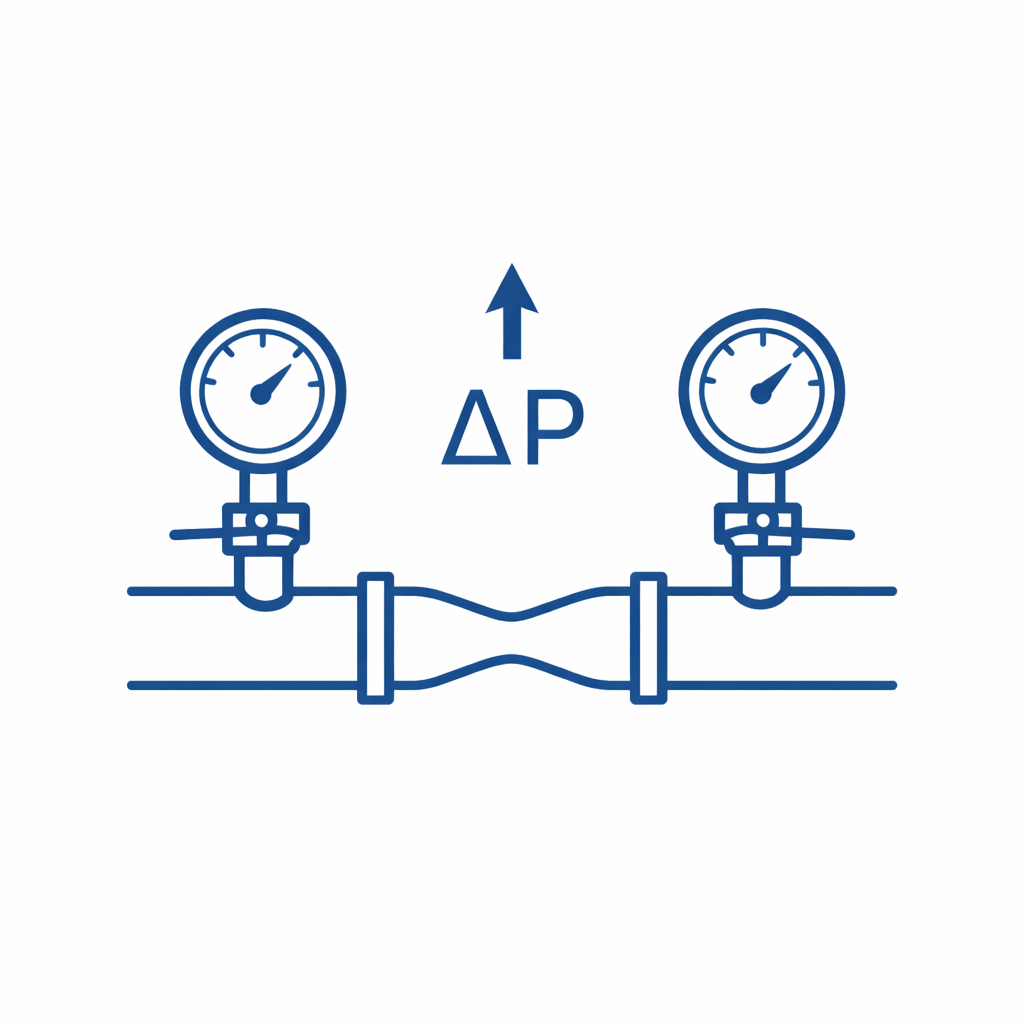
  • Exchanger Ī”P

  • Column feed pressure

  • Product line pressure

šŸ”“ Warning patterns:

  • Steady upward pressure drop

  • Fluctuations during steady load

A rising cold box pressure drop trend is one of the earliest freezing indicators.

Related:
šŸ‘‰ [Crogenic Heat Exchanger Iceing in Nitrogen Plant]

3ļøāƒ£ Product Purity Stability

Monitor:

  • Oxygen ppm in nitrogen

  • Analyzer correction frequency

  • Response time

šŸ”“ Warning patterns:

  • Increasing oscillations

  • Frequent control actions

  • Slow stabilization

Poor purity trend monitoring often signals column imbalance or contamination.

Fluctuations in trends often reflect changes in nitrogen purity.
You may also read:Ā Why Nitrogen Plant Purity FluctuatesĀ to understand how process variations affect product quality.

4ļøāƒ£ Compressor & Expander Performance

Track:

  • Load curves

  • Vibration

  • Discharge temperatures

šŸ”“ Warning patterns:

  • Rising vibration

  • Reduced load capability

  • Increasing discharge temperature

These patterns often reveal mechanical wear or downstream process restrictions.

Trend analysis can reveal increasing energy consumption before it becomes critical.
Refer to Why Nitrogen Plant Energy Consumption Increases to understand how inefficiencies develop.

5ļøāƒ£ Pretreatment System Indicators

Track:

  • Dew point before cold box

  • Adsorber cycle times

  • Regeneration temperature

šŸ”“ Warning patterns:

  • Shorter adsorption cycles

  • Dew point drift upward

  • Slow regeneration recovery

These pretreatment breakthrough trends are early predictors of cold box freezing.

Temperature trends can indicate early thermal imbalance or freezing risk.
Refer toĀ Cold Box Freezing in Nitrogen Plants: Causes, Early Warning Signs & Recovery to understand the consequences.

How to Separate Normal Variations from Real Problems

Not every fluctuation means failure. Effective nitrogen plant trend analysis focuses on:

Trend Direction

Continuous drift matters more than single spikes

Correlation

Example:
Pressure drop ↑ + temperature distortion
= strong freezing risk

Rate of Change

Fast change → mechanical issue
Slow change → contamination or degradation

šŸ‘‰ TheĀ Trend Reading Pattern GuideĀ includes real trend signatures matched to common nitrogen plant failures.

Using Trends for Predictive Maintenance

Instead of reacting to breakdowns, trend-based monitoring allows:

  • Planned warm-up before freezing

  • Adsorber service before breakthrough

  • Compressor inspection before failure

This reduces:

  • Emergency shutdowns

  • Production losses

  • Equipment damage

Effective nitrogen plant trend analysis converts raw DCS data into predictive maintenance actions.

Common Mistakes Engineers Make

Checking only alarms

Monitoring single parameters

Ignoring slow drifts

Relying only on automation

Failures are always multi-variable.

Trend correlation is key.

Tools That Improve Trend-Based Diagnosis

Structured tools make trend interpretation easier:

Temperature mapping sheets

Pressure correlation logs

Pretreatment performance checklists

Stability tracking templates

When Trend Analysis Shows High Risk

Consider expert support when:

  • Pressure drop continues increasing

  • Purity remains unstable

  • Compressor limits are frequently approached

  • Pretreatment performance deteriorates

šŸ‘‰ [Cryogenic Nitrogen PlantĀ Ā Consulting ServicesĀ ]Ā  helps diagnose stability issues before forced shutdowns occur.

Additional Engineering Support

Maintaining stable nitrogen plant operation requires structured operating procedures and clear troubleshooting frameworks.

TheĀ Cryogenic Nitrogen Plant Operations ToolkitĀ provides practical engineering resources including operational checklists, process monitoring frameworks, and troubleshooting workflows designed for plant operators and engineers.

For complex operational challenges requiring deeper technical evaluation, specializedĀ Cryogenic Nitrogen Plant Consulting ServicesĀ are also available.

Related Engineering Insights

Trend analysis is closely connected with the following plant issues:

šŸ‘‰Ā Process Instability in Cryogenic Nitrogen Plants
šŸ‘‰Ā Why Nitrogen Plant Purity Fluctuates
šŸ‘‰Ā Why Nitrogen Plant Energy Consumption Increases

Related Engineering Guides

To understand how proper operation and system control improve trend behavior, refer to:

šŸ‘‰Ā Cryogenic Nitrogen Plant Operation – Complete Engineering Guide

Engineering Basis

This topic is based on control systems and safety interlock principles:

While these principles define trip mechanisms, recurring trips typically result from deeper system interaction issues requiring structured diagnosis.

Final Takeaway

Every major failure leaves early fingerprints in the data.

Engineers who practice nitrogen plant trend analysis can predict freezing, purity loss, and mechanical failures before they become shutdown events.

Predicting failures isn’t luck — it’s disciplined trend interpretation.

Predict Failures Before They Happen

Most plant issues do not occur suddenly — they develop gradually and are visible in process trends.

šŸ‘‰ The Cryogenic Nitrogen Plant Stability Toolkit helps you:

āœ” Interpret trend patterns effectively
āœ” Detect early warning signals
āœ” Prevent instability and failures
āœ” Maintain stable and efficient operation

šŸ‘‰ Apply a proactive engineering approach instead of reactive troubleshooting.

Leave a Comment

Your email address will not be published. Required fields are marked *

Scroll to Top