
Common Startup Problems in Cryogenic Nitrogen Plants — Causes and Solutions

Identify and resolve startup issues to achieve smooth commissioning and stable plant operation.

Startup phase is the most critical stage — improper execution can lead to instability, delays, and long-term performance issues.

Startup Problems in Cryogenic Nitrogen Plants

Startup and commissioning of cryogenic nitrogen plants involve multiple interconnected systems — air compression, purification, heat exchange, cryogenic separation, and product delivery.

Startup Problems in Cryogenic Nitrogen Plants typically arise because this phase is highly dynamic, where systems are continuously transitioning rather than operating at steady state. Equipment is gradually brought online, process conditions are evolving, and control systems are still stabilizing.

During this phase:

  • Temperature profiles are not fully developed
  • Pressure levels are still adjusting
  • Purification systems are stabilizing
  • Distillation columns are not yet in equilibrium

Because of this, even small deviations can propagate across the plant, resulting in:

  • Delayed nitrogen purity achievement
  • Process instability
  • Increased energy consumption
  • Repeated manual intervention

In many cases, engineers assume these issues are “normal startup behavior.”
However, most Startup Problems in Cryogenic Nitrogen Plants are predictable and can be prevented with proper planning and execution.

Understanding these problems—along with their root causes—enables engineers to:

✔ Execute structured commissioning
✔ Reduce startup time
✔ Avoid repeated troubleshooting
✔ Achieve stable and efficient operation faster

Common Startup Problems in Cryogenic Nitrogen Plants

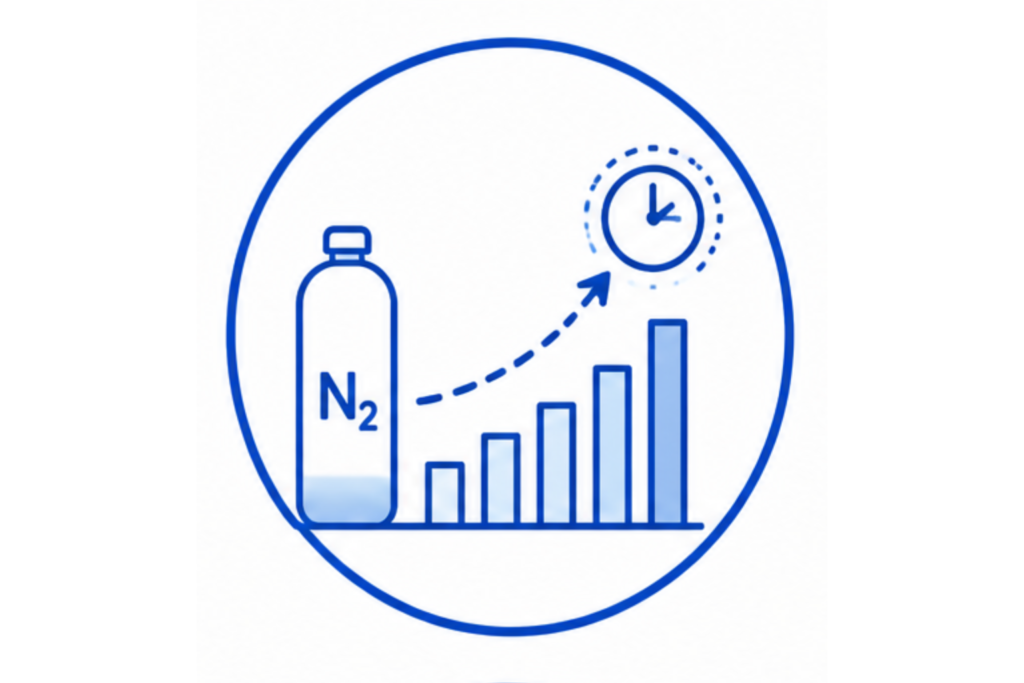
1. Delayed Nitrogen Purity

One of the most common issues during startup is slow purity buildup.

Instead of reaching target purity within expected time, the plant shows:

  • Fluctuating purity levels
  • Slow increase in nitrogen concentration
  • Difficulty maintaining stable product quality

This usually indicates that distillation equilibrium is not properly established, often due to thermal imbalance, improper reflux, or unstable feed conditions.

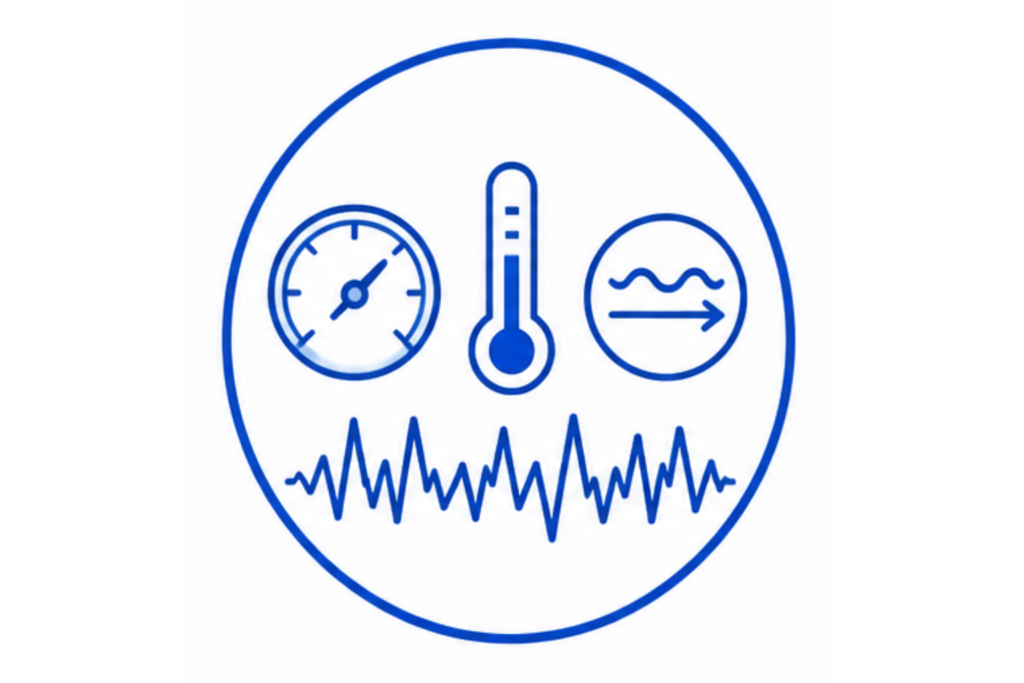
2. Process Instability

Startup frequently involves unstable process parameters such as:

  • Pressure fluctuations
  • Temperature oscillations
  • Flow variations

These fluctuations are often interconnected — a change in one system propagates across others.

For example:

  • Compressor instability → affects feed flow
  • Feed variation → affects column separation
  • Column imbalance → affects purity

This creates a cycle of instability that is difficult to control without a structured approach.

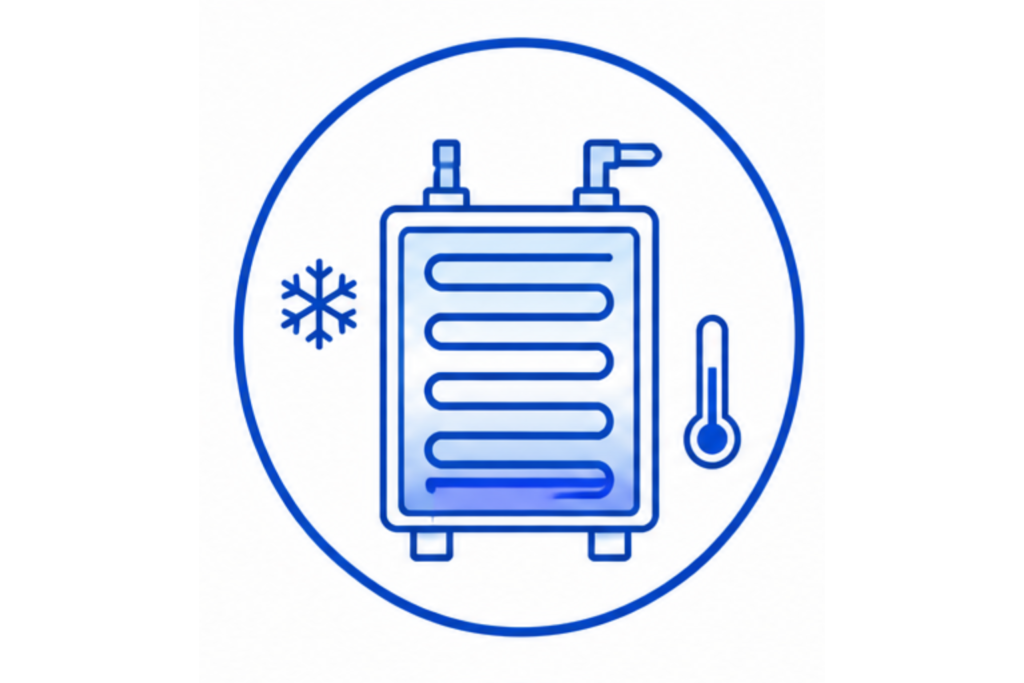
3. Cold Box Temperature Imbalance

The cold box is the heart of cryogenic operation, and during startup, achieving proper temperature distribution is critical.

Common issues include:

  • Uneven cooling across heat exchanger sections
  • Delayed temperature drop
  • Temperature oscillations

Improper thermal balance results in:

  • Inefficient heat exchange
  • Poor separation efficiency
  • Increased energy consumption

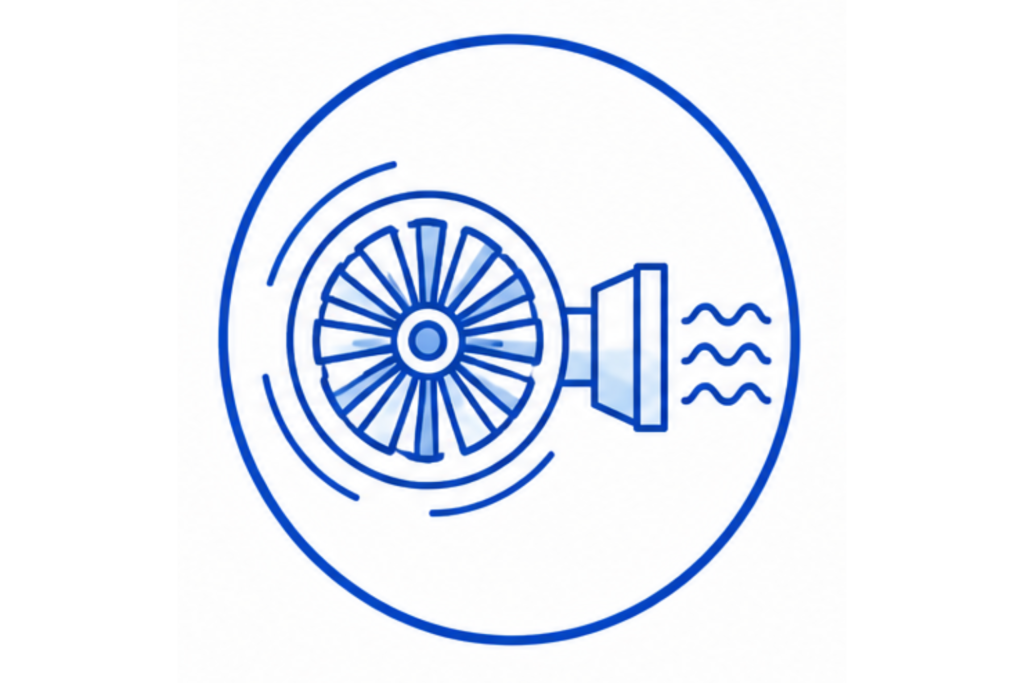
4. Expander Instability

The expansion turbine (expander) plays a crucial role in generating refrigeration.

During startup, expander instability may appear as:

  • Speed fluctuations
  • Load oscillations
  • Unstable outlet temperatures

This directly impacts refrigeration balance, leading to:

  • Inadequate cooling
  • Temperature instability in cold box
  • Delayed plant stabilization

5. Frequent Plant Trips

Unexpected trips during startup are a major concern.

These trips may be caused by:

  • Pressure deviations
  • Temperature limits exceeded
  • Control system instability

Frequent trips not only delay commissioning but also:

  • Stress equipment
  • Increase operational risk
  • Reduce system reliability

6. High Energy Consumption

Startup often consumes more energy than normal operation — but excessive consumption indicates inefficiency.

Common reasons include:

  • Improper process conditions
  • Inefficient heat exchange
  • Repeated restarts due to instability

This increases operating cost and delays performance achievement.

Quick Engineering Summary

Startup Problems in Cryogenic Nitrogen Plants, arise from improper sequencing, lack of preparation, and system imbalance.

Common Causes of Startup Problems in Cryogenic Nitrogen Plants

1. Improper Commissioning Sequence

Startup is a sequence-sensitive process.

Incorrect order of operations — such as:

  • Starting systems too early
  • Skipping stabilization steps
  • Improper cooling sequence

— leads to system imbalance.

A poorly executed sequence can create problems that persist even after startup.

2. Incomplete Pre-Commissioning Checks

Many startup issues originate before startup even begins.

Missed checks may include:

  • Leak testing
  • Valve functionality
  • Instrument calibration
  • Control system verification

These hidden issues only become visible during operation — when correction becomes difficult.

3. Control System Improper Tuning

Control loops are often not tuned for startup conditions.

Common problems:

  • Over-aggressive PID tuning → oscillations
  • Slow response → delayed stabilization
  • Poor coordination between loops

This leads to unstable operation and excessive manual intervention.

4. Air Ingress or Contamination

Ingress of air, moisture, or CO₂ during startup can severely affect performance.

Effects include:

  • Heat exchanger icing
  • Cold box freezing
  • Purity disturbances

Even small contamination can disrupt cryogenic operation.

5. Lack of Structured Approach

The most critical root cause is often human-driven:

  • Trial-and-error operation
  • Reactive adjustments
  • Lack of standardized procedure

Without a structured approach, engineers:

  • Over-adjust systems
  • Misdiagnose issues
  • Create additional instability

How To Identify Startup Problems in Cryogenic Nitrogen Plants

Recognizing early warning signs is essential.

Key indicators include:

  • Slow or unstable purity increase
  • Continuous fluctuation in parameters
  • Frequent manual intervention
  • Repeated alarms and trips
  • Difficulty achieving steady-state operation

These are not isolated issues — they indicate system-level imbalance.

Facing startup or commissioning issues?

👉 Use the Commissioning Toolkit to execute a structured and reliable startup process.
Impact of Startup Problems in Cryogenic Nitrogen Plants

Startup Problems in Cryogenic Nitrogen Plants don’t just affect commissioning — they have long-term consequences.

🔻 Delayed Commissioning

Extended startup time leads to production loss and project delays.

🔻 Increased Energy Consumption

Inefficient operation during startup increases operating cost.

🔻 Equipment Stress and Wear

Frequent trips and fluctuations reduce equipment life.

🔻 Long-Term Instability

Improper startup creates persistent instability during operation.

🔻 Reduced Plant Efficiency

Failure to achieve optimal conditions affects long-term performance.

Key Engineering Insight

Most startup problems in cryogenic nitrogen plants  are procedural, not equipment-related.

How to Resolve Startup Problems in Cryogenic Nitrogen Plants

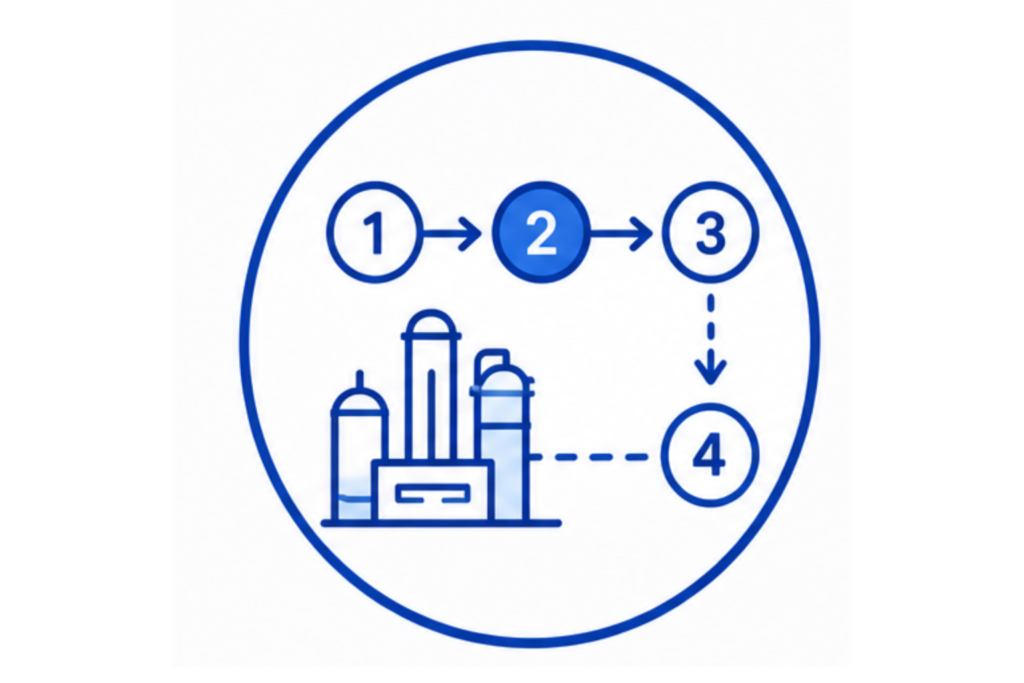
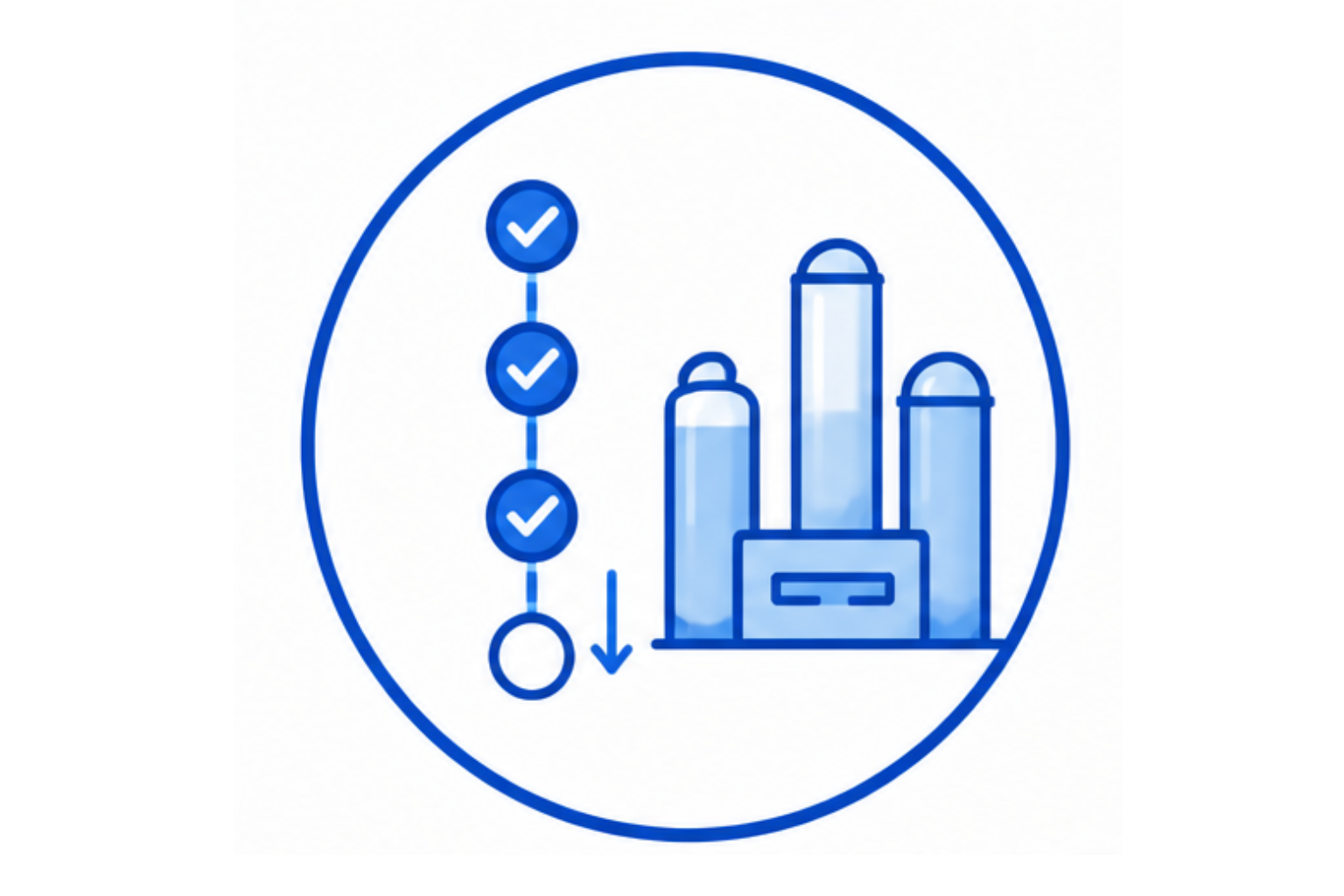
1. Follow Structured Commissioning Steps

Startup must follow a defined sequence: 1. Gradual system activation. 2. Controlled cooling. 3. Step-by-step stabilization. Avoid skipping steps or rushing the process.

2. Perform Complete Pre-Checks

Before startup: 1. Verify all mechanical systems 2. Check instrumentation 3. Confirm control logic 4. Ensure leak-free system Prevention is far easier than correction.
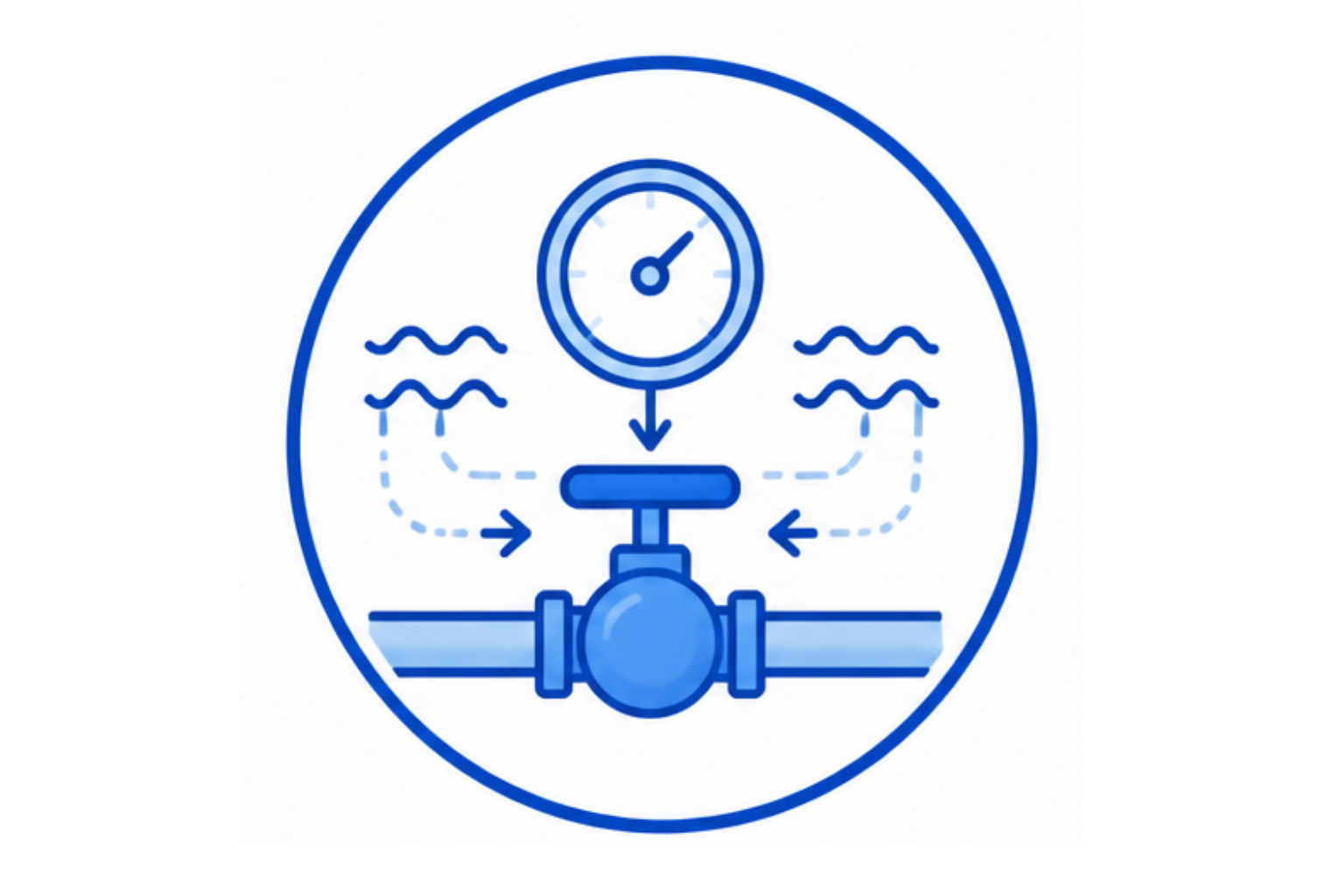
3. Stabilize Process Conditions

Avoid rapid changes in: 1. Pressure 2. Temperature 3. Flow. Allow the system to stabilize before making further adjustments.
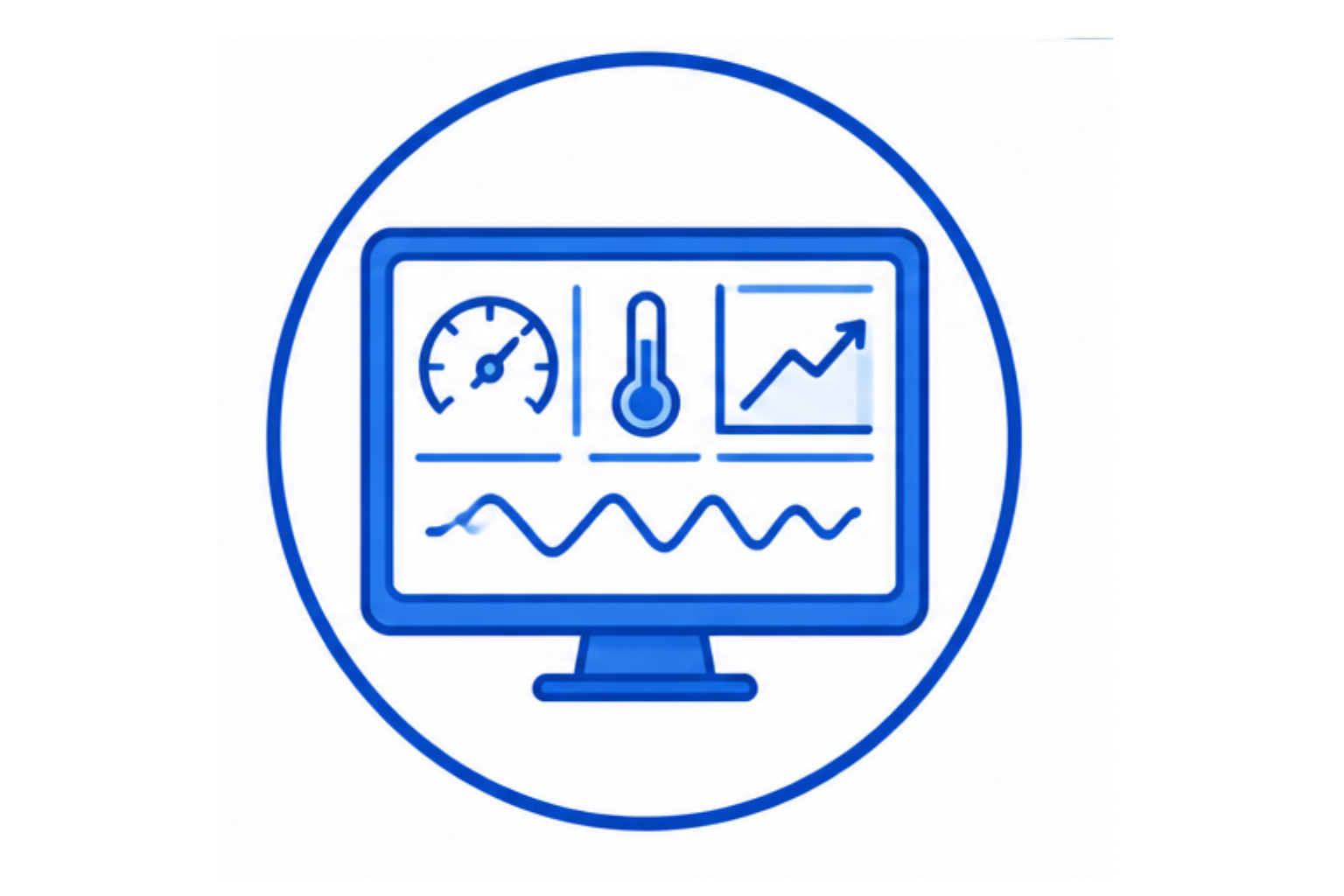
4. Monitor Key Parameters Closely

Focus on: 1. Temperature profiles 2. Pressure levels 3. Flow balance 4. Purity trends. Use trends, not snapshots, to understand system behavior.
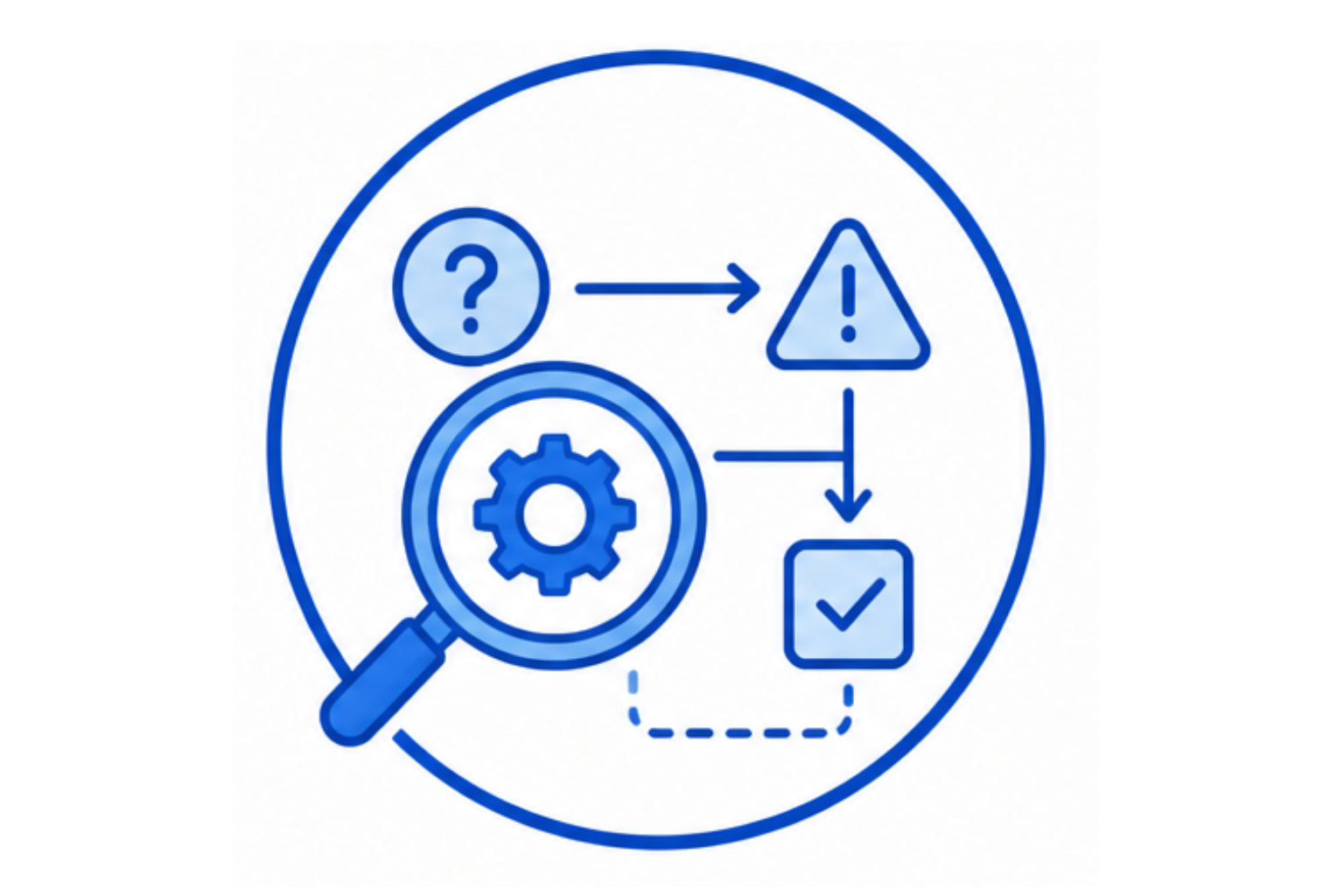
5. Use Systematic Troubleshooting

Instead of reacting: 1. Identify root cause 2 Analyze system interaction 3. Apply structured correction. Avoid trial-and-error adjustments.

Struggling with startup instability?

👉 Apply a structured approach using the Commissioning Toolkit to avoid repeated issues.

Practical Engineering Insight

Follow structured commissioning steps instead of adjusting parameters randomly.

Engineering Perspective

Most Startup Problems in Cryogenic Nitrogen Plants are not equipment failures.

They are primarily caused by:

  • Improper sequencing
  • Lack of preparation
  • System imbalance
  • Poor control strategy

Cryogenic nitrogen plants are highly interconnected systems — stability depends on maintaining balance across all units rather than focusing on individual components.

A structured engineering approach to addressing Startup Problems in Cryogenic Nitrogen Plants ensures:

✔ Smooth startup
✔ Faster stabilization
✔ Reliable operation
✔ Long-term performance


Related Engineering Insights

  • Process Instability in Cryogenic Nitrogen Plants
  • Expander Instability in Cryogenic Nitrogen Plants
  • Air Ingress in Cryogenic Nitrogen Plants

Related Engineering Guides

To understand how proper startup and operation help prevent plant trips, refer to:

👉 Step-by-Step Guide to Commissioning a Cryogenic Nitrogen Plant

Engineering Basis

This analysis is supported by established process control and thermodynamic principles:

Conclusion & Key Takeaways

A disciplined commissioning approach is the foundation for a smooth startup and long-term stable operation of cryogenic nitrogen plants. Startup Problems in Cryogenic Nitrogen Plants are often rooted in how this phase is executed. Startup is not just a procedural step—it is the phase where the plant’s future performance is defined. Decisions made during this stage directly influence efficiency, reliability, and operating cost throughout the plant lifecycle.

Most Startup Problems in Cryogenic Nitrogen Plants are not caused by equipment limitations, but by improper sequencing, incomplete preparation, and lack of system-level understanding. Treating startup as a structured engineering process—rather than a trial-and-error exercise—eliminates the majority of common issues.


🔑 Key Takeaways

✔ Follow a structured commissioning sequence

Every system must be brought online in the correct order. Skipping steps or rushing stabilization leads to long-term instability and recurring startup issues.

✔ Focus on system balance, not individual equipment

Cryogenic plants operate as interconnected systems. Stability depends on maintaining balance between compressor load, purification, refrigeration, and separation. This is critical to avoid Startup Problems in Cryogenic Nitrogen Plants.

✔ Stabilize before optimizing

Avoid frequent adjustments during startup. Allow pressure, temperature, and flow conditions to settle before making corrections.

✔ Monitor trends, not just values

Understanding how parameters evolve over time is critical for identifying early instability and preventing escalation.

✔ Prevent issues at the source

Thorough pre-commissioning checks, proper sealing, and contamination control eliminate many startup problems before they begin.

✔ Use a structured troubleshooting approach

Instead of reacting to symptoms, identify root causes and apply systematic corrections. This approach minimizes recurring Startup Problems in Cryogenic Nitrogen Plants and ensures stable operation.

Final Engineering Insight

A well-executed startup does more than achieve initial operation—it establishes a stable foundation for consistent purity, optimal energy efficiency, and reliable long-term performance.

Engineers who approach commissioning with discipline, patience, and system-level thinking not only reduce startup challenges but also significantly improve overall plant reliability and operational excellence.

Execute a Smooth Plant Startup

Avoid delays, instability, and repeated issues with a structured commissioning approach.

Leave a Comment

Your email address will not be published. Required fields are marked *

Scroll to Top