
Cold Box Operation and Heat Exchanger Integrity in Cryogenic Nitrogen Plants
Engineering Guide to Reliable Cryogenic Cold Box Operation
The cold box is the core process unit of a cryogenic nitrogen plant where compressed air is cooled to extremely low temperatures and nitrogen is separated through cryogenic distillation.
Reliable cryogenic cold box operation is essential for maintaining stable plant performance, consistent nitrogen purity, and efficient heat transfer conditions.
This engineering guide explains the principles of cryogenic cold box operation, the importance of heat exchanger integrity, and the operational practices required to maintain stable cryogenic plant performance.
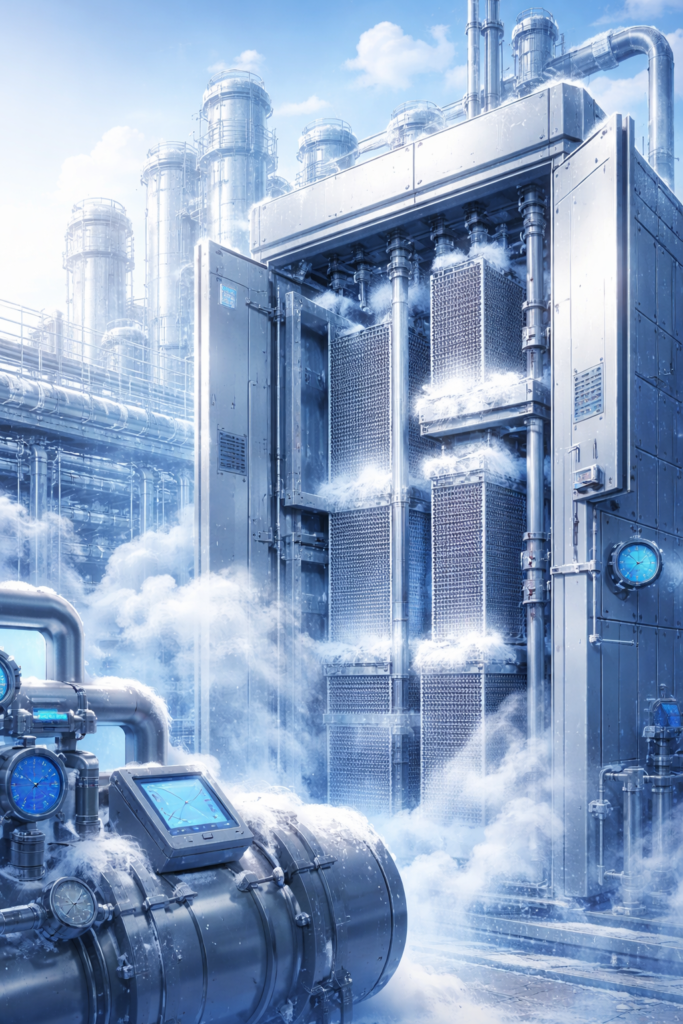
Role of the Cold Box in Cryogenic Nitrogen Plants
The cold box contains the most critical cryogenic equipment required for nitrogen separation. Inside the cold box enclosure, compressed air is progressively cooled through cryogenic heat exchangers and separated into nitrogen and oxygen using distillation columns.
Typical equipment located inside the cold box includes:
• the main cryogenic heat exchanger
• high-pressure and low-pressure distillation columns
• expansion turbines or expansion valves
• cryogenic piping and distribution headers
• internal insulation systems
These components operate at extremely low temperatures and must maintain precise thermodynamic balance for stable nitrogen production.
Stable cryogenic cold box operation ensures efficient heat transfer and reliable nitrogen purity. Any disturbance within the cold box can affect column stability, heat exchanger performance, and overall plant efficiency.
Components Inside a Cryogenic Cold Box
The cold box contains the core cryogenic equipment responsible for cooling compressed air and separating nitrogen from oxygen. Reliable cryogenic cold box operation depends on the proper functioning and integration of several internal components.
These components operate together under extremely low temperatures and require precise thermodynamic balance to maintain stable plant performance.
In most cryogenic nitrogen plants, the cold box includes the following key equipment:
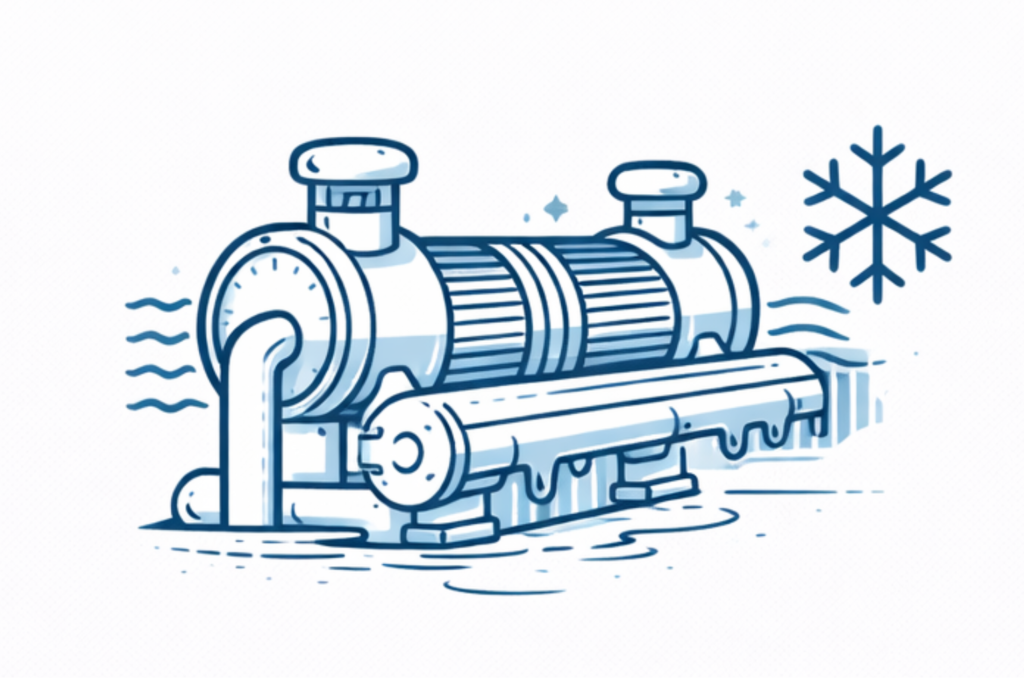
Main Cryogenic Heat Exchanger
The main cryogenic heat exchanger is one of the most critical components inside the cold box. Its primary function is to cool the incoming compressed air to cryogenic temperatures before it enters the distillation columns.
This cooling occurs through heat exchange between the incoming warm air and the returning cold product streams. The countercurrent heat exchange process gradually lowers the feed air temperature while warming the outgoing nitrogen product stream.
Reliable heat exchanger performance is essential for stable cryogenic cold box operation, because any reduction in heat transfer efficiency can disturb the temperature profile inside the cold box.
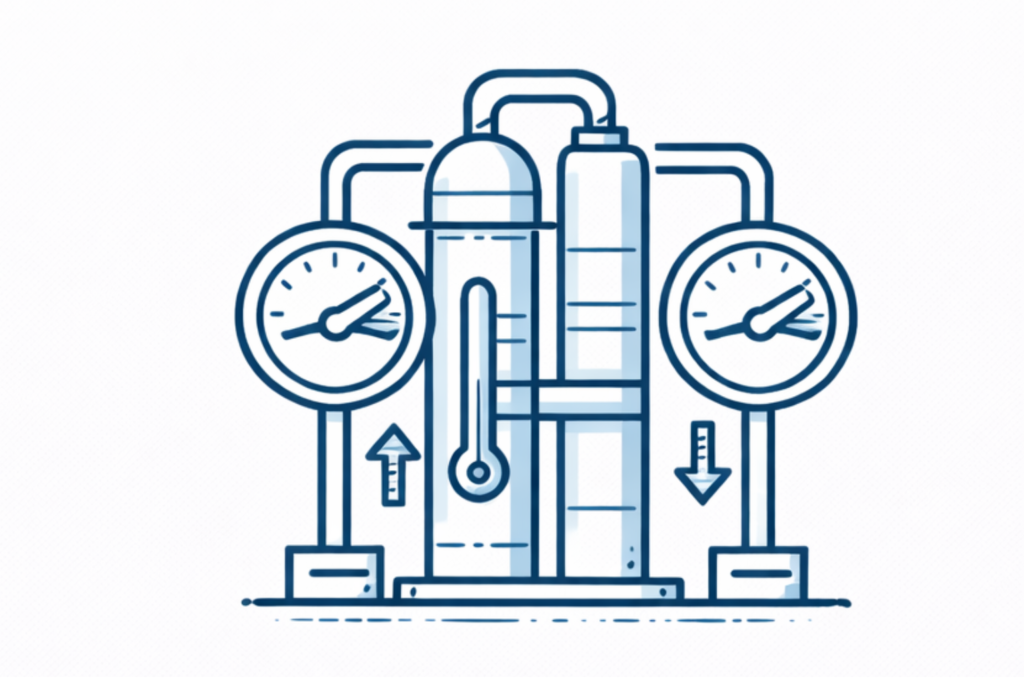
Distillation Columns
The distillation columns inside the cold box separate nitrogen from oxygen through fractional distillation. After the feed air is cooled to cryogenic temperatures in the heat exchanger, it enters the column where separation occurs based on differences in boiling points.
Inside the column, vapor and liquid phases interact across trays or structured packing, gradually concentrating nitrogen in the upper section while oxygen-rich liquid collects at the bottom.
Stable column operation is essential for consistent nitrogen purity and reliable cryogenic cold box operation, as disturbances in pressure or temperature balance can lead to purity fluctuations and plant instability.
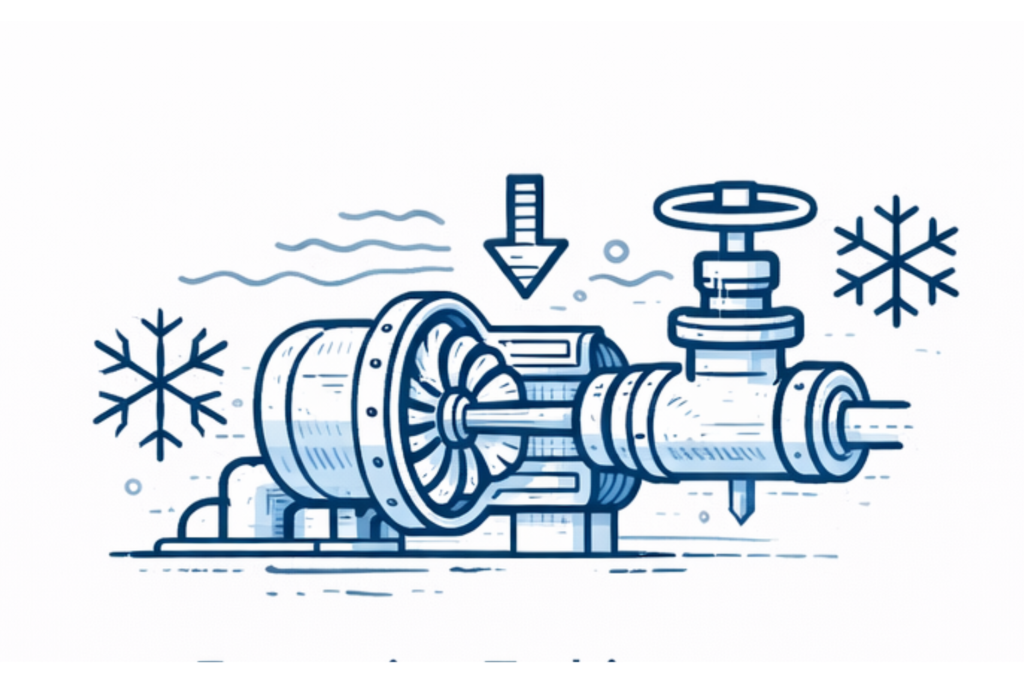
Expansion Turbine or
Expansion Valve
Expansion devices are used inside the cold box to generate refrigeration required for cryogenic cooling.
These devices reduce the pressure of process streams, allowing them to expand and cool rapidly. The resulting temperature reduction helps maintain the cryogenic environment required for nitrogen separation.
In many modern plants, turbo expanders are used to improve energy efficiency while generating refrigeration.
Proper operation of expansion equipment is important for maintaining thermal balance within the cold box and supporting stable cryogenic cold box operation.
Cryogenic Piping and Distribution System
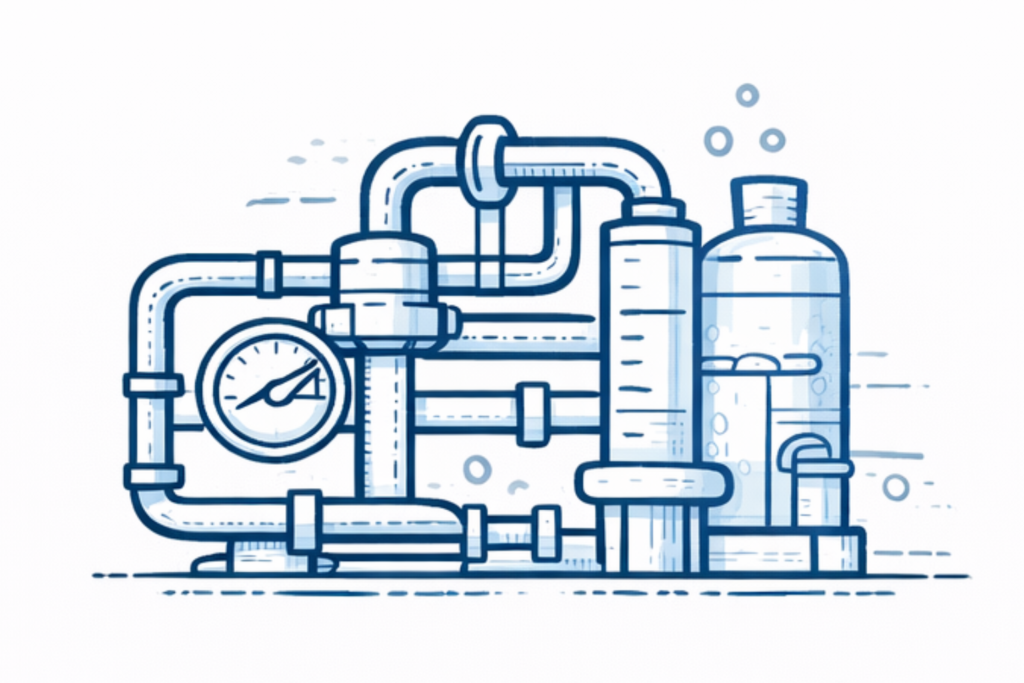
The cold box also contains a network of cryogenic piping that distributes process streams between the heat exchanger, distillation columns, and expansion devices.
These pipelines carry multiple streams simultaneously, including feed air, nitrogen product streams, oxygen-rich streams, and refrigeration flows.
Because these pipelines operate at extremely low temperatures, they must be carefully designed to accommodate thermal contraction and prevent mechanical stress.
Proper piping design and maintenance help ensure smooth flow distribution and stable cryogenic cold box operation.
Main Cryogenic Heat Exchanger Operation
The main heat exchanger is one of the most important components inside the cold box.
Its primary function is to transfer heat between the incoming compressed air and the returning cold nitrogen streams.
This heat exchange process gradually cools the incoming air until it reaches cryogenic temperatures suitable for distillation.
Reliable heat transfer is essential for maintaining stable cryogenic cold box operation.
Heat Exchange Process
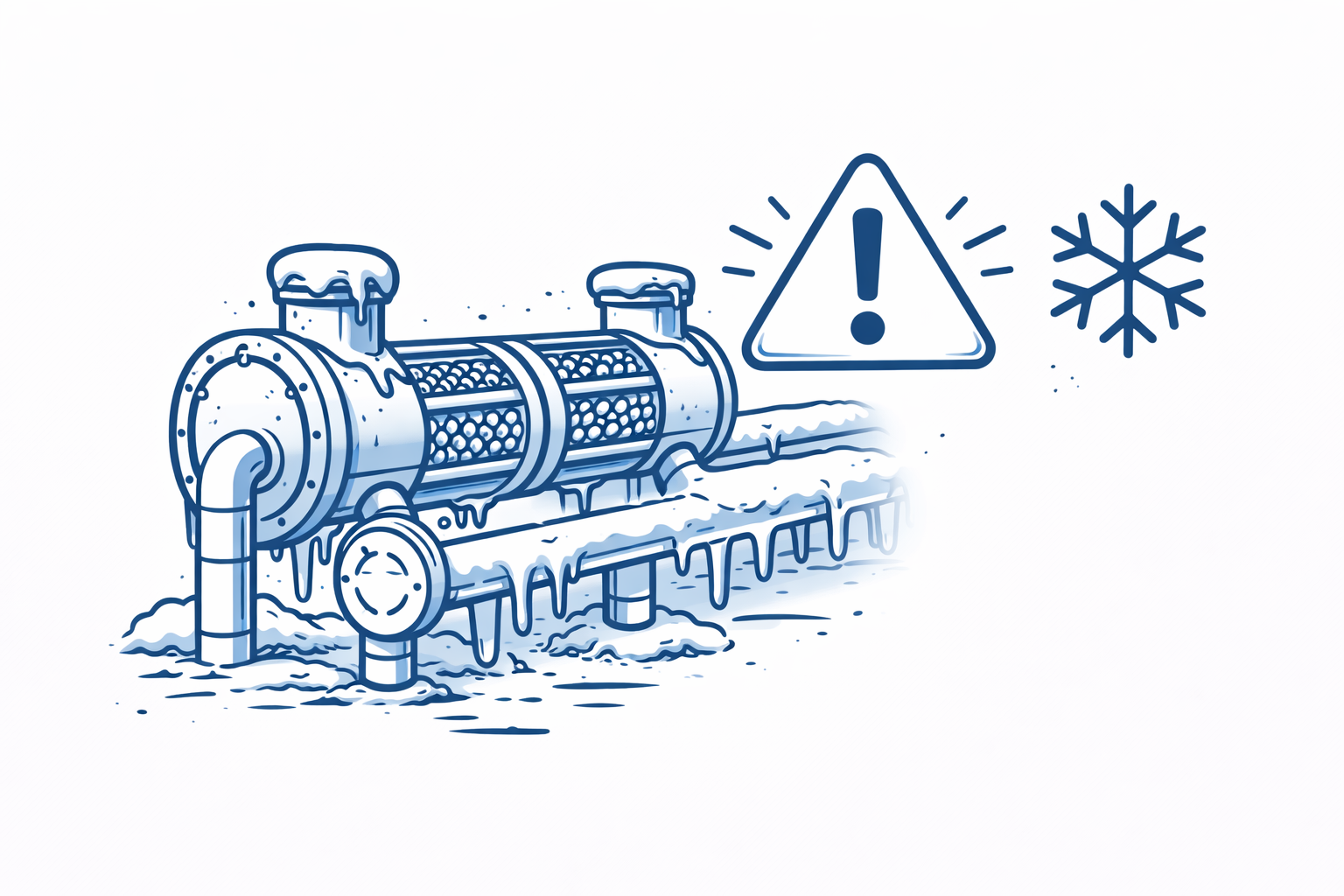
Warm compressed air enters the heat exchanger and flows through multiple channels where it is gradually cooled by returning cold nitrogen streams. This countercurrent heat exchange process allows efficient cooling of the feed air while simultaneously warming the product streams leaving the cold box. The heat exchanger must maintain a stable temperature profile across its entire length in order to support proper column operation. Disturbances in this heat exchange process can affect overall cryogenic cold box operation and plant stability.
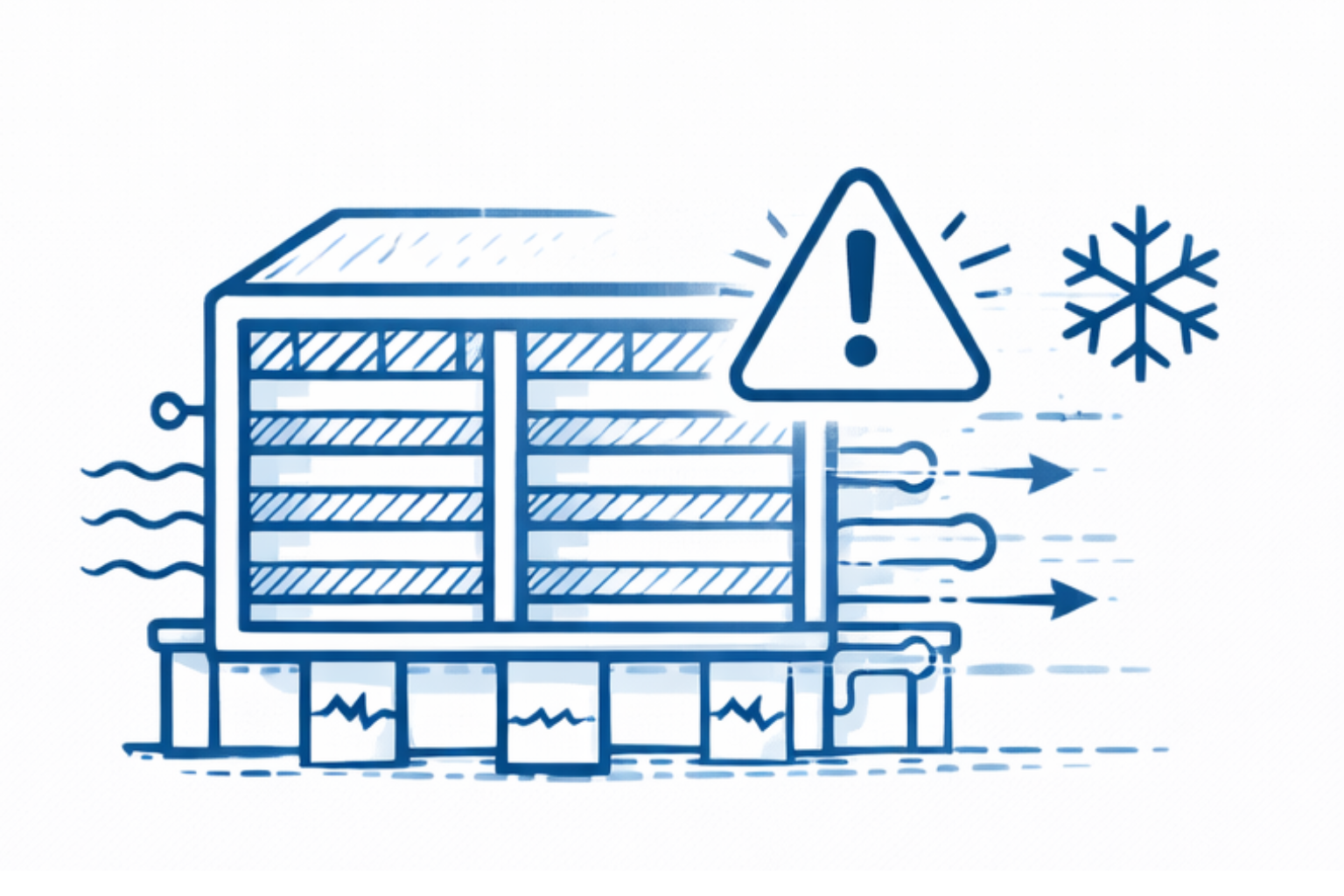
Plate-Fin Heat Exchanger Design
Most cryogenic nitrogen plants use aluminum plate-fin heat exchangers because they provide extremely high heat transfer efficiency. These exchangers consist of stacked aluminum plates separated by fin structures that create narrow flow passages. Plate-fin heat exchangers offer several advantages: • very high heat transfer surface area • compact design suitable for cold box installation • ability to handle multiple process streams simultaneously However, plate-fin heat exchangers are sensitive to contamination and mechanical damage. Protecting the heat exchanger is therefore essential for reliable cryogenic cold box operation.
Importance of Heat Exchanger Integrity
The main cryogenic heat exchanger is one of the most sensitive components inside the cold box. Its performance directly influences plant thermal balance, nitrogen purity, and overall process stability. Maintaining the structural and operational integrity of the heat exchanger is therefore essential for reliable cryogenic cold box operation.
Because plate-fin heat exchangers contain many narrow flow passages and operate at extremely low temperatures, they must remain free from contamination and mechanical damage. Even minor disturbances inside the exchanger can disrupt heat transfer and affect plant performance.
Several types of problems may occur if the heat exchanger integrity is compromised.
Internal Leakage Between
Process Streams
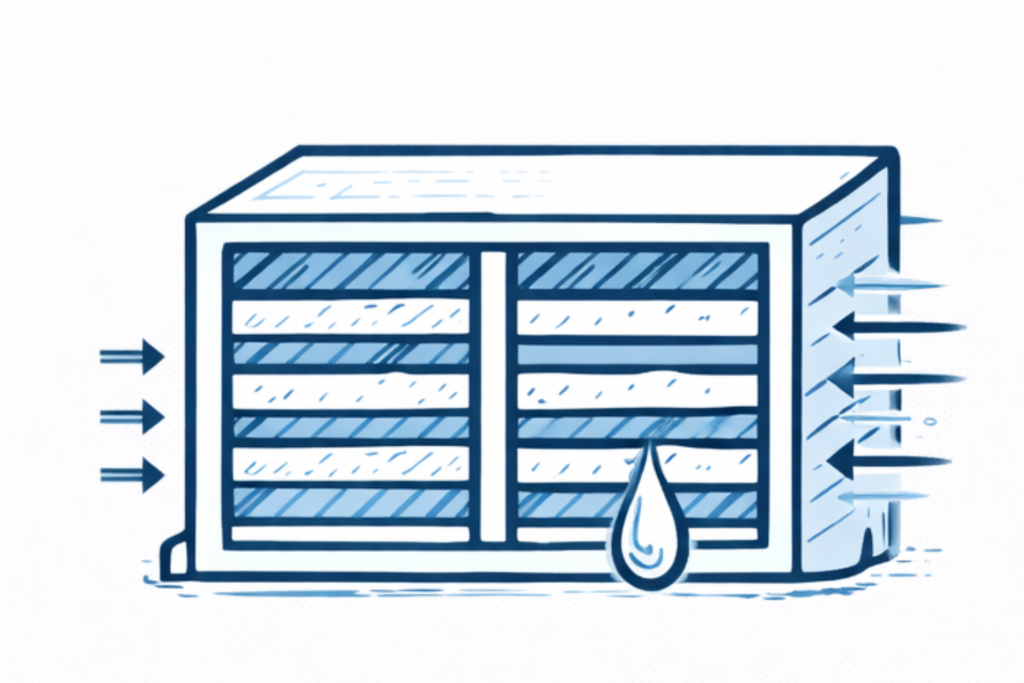
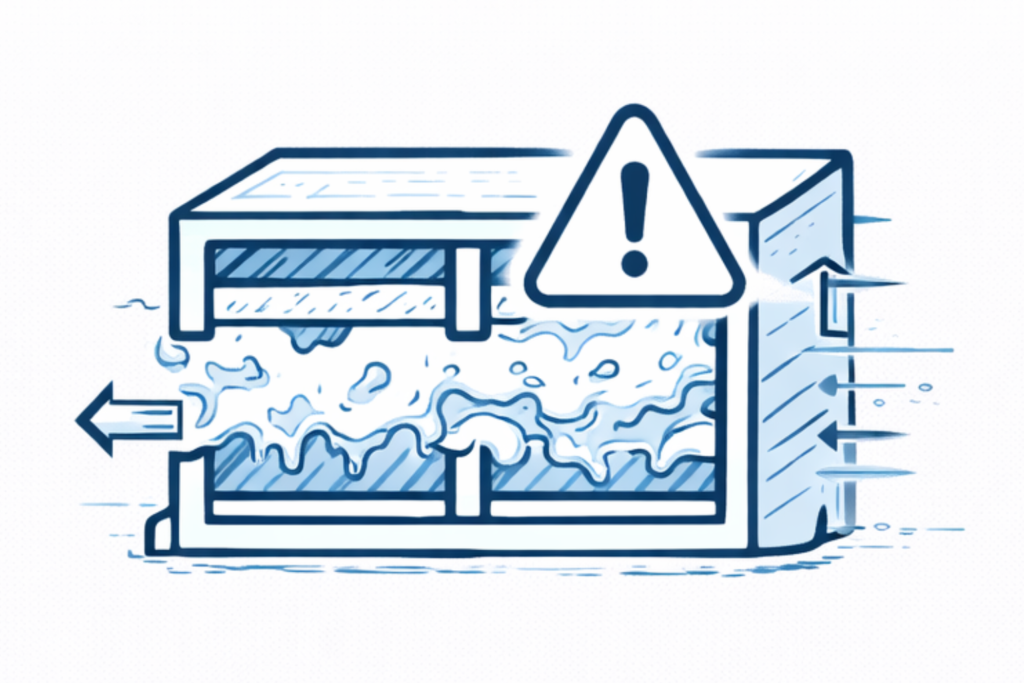
Plate-fin heat exchangers contain multiple process streams separated by thin aluminum plates. If a leak develops between channels, process streams may mix internally.
Internal leakage can disturb the thermodynamic balance of the plant and may cause several operational problems, including:
• nitrogen purity fluctuations
• unstable temperature profiles
• improper refrigeration balance
These disturbances can quickly affect cryogenic cold box operation and may reduce overall plant efficiency.
Early detection of internal leakage is important because the problem may gradually worsen if left unaddressed.
Flow Passage Blockage
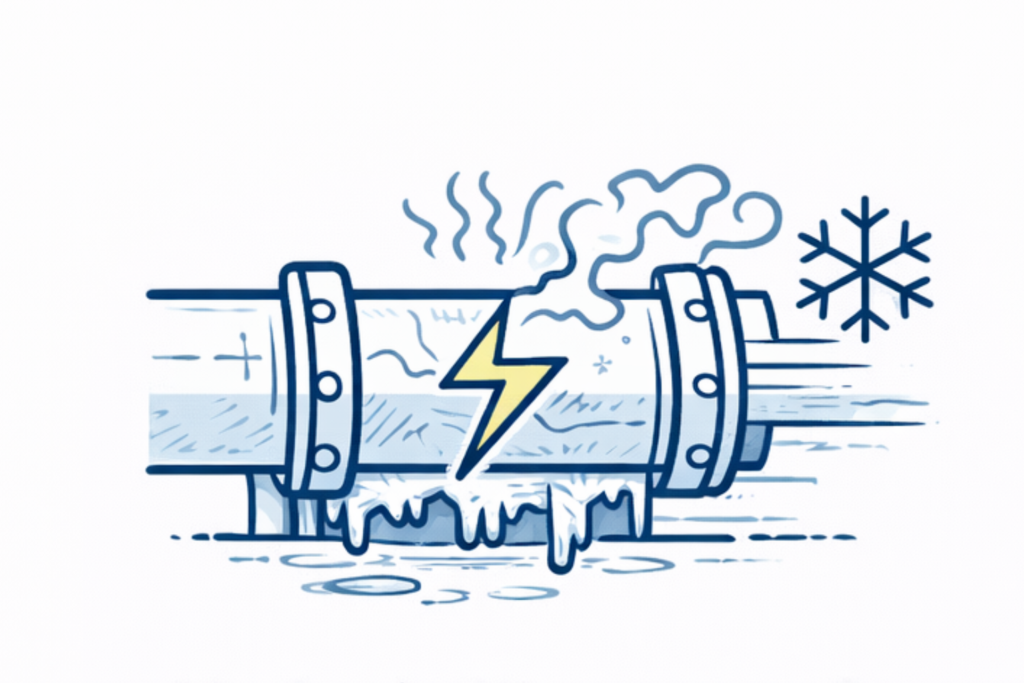
Blockage of flow passages inside the heat exchanger can occur when contaminants enter the cryogenic section. At extremely low temperatures, certain impurities freeze and accumulate within the narrow exchanger channels.
Common causes of blockage include:
• moisture freezing as ice
• carbon dioxide freezing within exchanger passages
• hydrocarbon contamination
When these substances accumulate inside the exchanger, they restrict flow and increase pressure drop across the heat exchanger. Over time, this may reduce heat transfer efficiency and disturb cryogenic cold box operation.
Proper air purification using molecular sieve systems is therefore critical for protecting the heat exchanger from contamination.
Mechanical Damage and
Thermal Stress
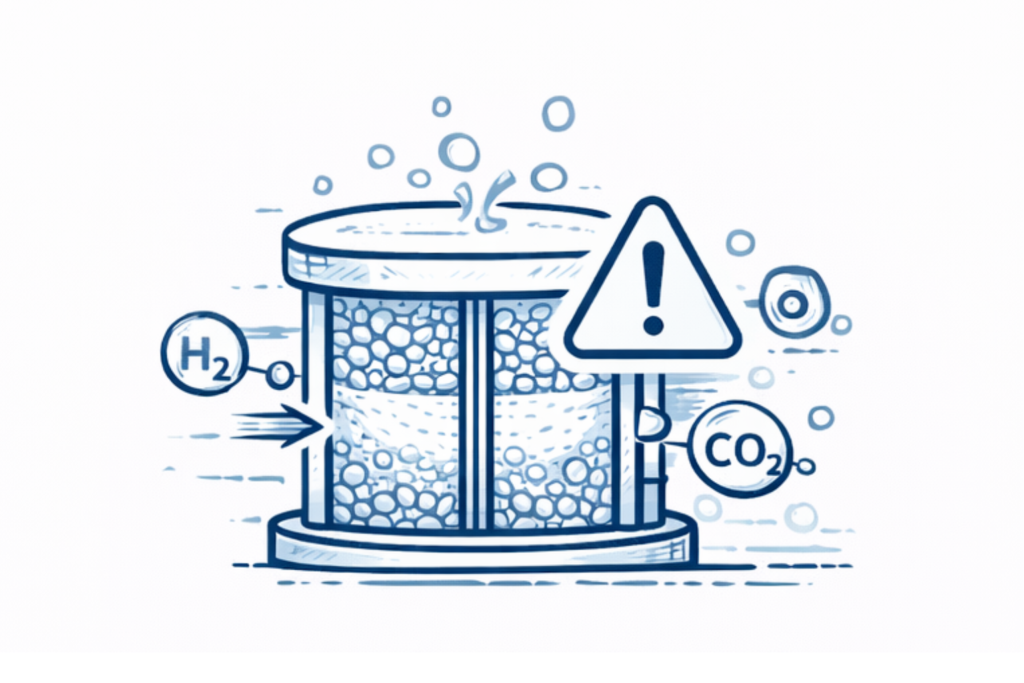
Cryogenic equipment experiences significant thermal contraction when cooled to extremely low temperatures. Rapid temperature changes during plant startup or shutdown can introduce mechanical stress within the heat exchanger structure.
If cooling occurs too quickly, internal components may experience uneven contraction, which can damage exchanger plates or connections.
Controlled cooldown procedures and stable operating conditions help prevent thermal stress and maintain long-term heat exchanger reliability.
Maintaining mechanical integrity is therefore an essential requirement for reliable cryogenic cold box operation.
Contamination from Air Purification Failure
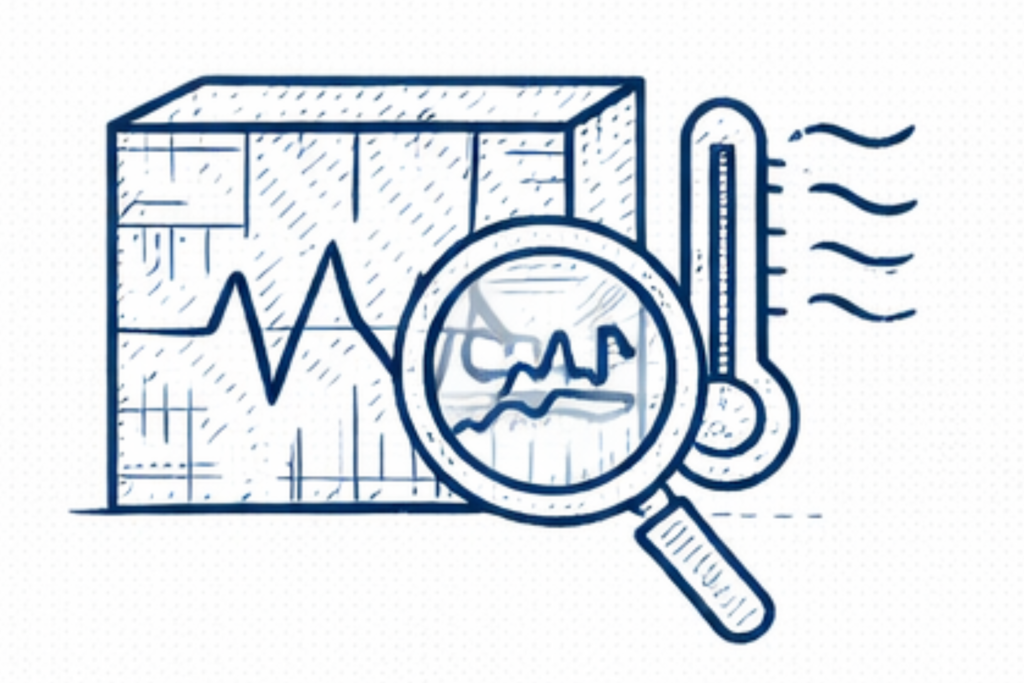
The most common cause of heat exchanger problems in cryogenic plants is contamination resulting from inadequate air purification.
If moisture or carbon dioxide enters the cold box due to molecular sieve failure, these contaminants may freeze within the heat exchanger passages.
This freezing can gradually obstruct flow channels and affect the temperature distribution across the exchanger.
Because of this risk, reliable performance of the molecular sieve purification system is essential for protecting heat exchanger integrity and maintaining stable cryogenic cold box operation.
Cold Box Insulation and Thermal Stability
The cold box enclosure isolates cryogenic equipment from the surrounding environment and minimizes heat transfer into the system. Because the internal process streams operate at extremely low temperatures, even small external heat gains can disturb the plant’s thermal balance.
Effective insulation is therefore essential for maintaining stable cryogenic cold box operation and efficient cryogenic separation.
The insulation system helps maintain a stable temperature environment for the heat exchanger and distillation columns, supporting reliable long-term plant operation.
Perlite Insulation System
Most cryogenic cold boxes use expanded perlite insulation to reduce heat transfer between the cryogenic equipment and the external environment.
Perlite is a lightweight porous material that provides excellent thermal insulation. It fills the space around cryogenic equipment and piping inside the cold box, significantly reducing heat conduction.
This insulation helps maintain stable temperature conditions required for reliable cryogenic cold box operation. If insulation performance deteriorates due to moisture infiltration or structural issues, additional heat load may enter the system and reduce plant efficiency.
Minimizing Heat Leakage
The primary objective of cold box insulation is to minimize heat leakage from the surrounding environment into the cryogenic process.
Heat entering the cold box increases the refrigeration load and can disturb the temperature profile across the heat exchanger.
Excessive heat gain may lead to:
• increased compressor power consumption
• reduced heat exchanger efficiency
• unstable distillation column operation
Proper insulation helps maintain stable cryogenic cold box operation and improves overall plant energy efficiency.
Maintaining Thermal Balance
Stable cryogenic operation depends on maintaining a balanced temperature profile throughout the cold box.
The heat exchanger, distillation columns, and refrigeration systems must operate within carefully controlled temperature limits to achieve efficient nitrogen separation.
If external heat leakage increases or insulation performance deteriorates, the thermal balance inside the cold box may be disturbed.
Maintaining insulation integrity therefore plays a critical role in supporting reliable cryogenic cold box operation and preventing unnecessary performance losses.
Inspection and Maintenance of Insulation Systems
Although cold box insulation systems are designed for long-term service, periodic inspection is necessary to ensure reliable performance.
Engineers should monitor for potential issues such as:
• insulation settling over time
• moisture intrusion into the insulation layer
• structural damage to the cold box enclosure
If insulation performance deteriorates, the resulting heat gain may gradually affect plant efficiency and stability.
Regular inspection and maintenance of the insulation system therefore help protect the cryogenic equipment and support long-term cryogenic cold box operation.
Common Problems Affecting Cryogenic Cold Box Operation
Although cryogenic cold boxes are designed for reliable long-term operation, several issues can affect their performance. Because the cold box contains thermodynamically sensitive equipment, even small disturbances can influence overall plant stability.
These problems often develop gradually and may first appear as minor changes in plant performance. If not identified early, they can disrupt cryogenic cold box operation and affect nitrogen purity, production capacity, and efficiency.
Understanding common cold box problems helps plant engineers diagnose operational disturbances and maintain stable plant performance.
Cold Box Freezing
Although cryogenic cold boxes are designed for reliable long-term operation, several issues can affect their performance. Because the cold box contains thermodynamically sensitive equipment, even small disturbances can influence overall plant stability.
These problems often develop gradually and may initially appear as minor performance changes. If not identified early, they can disrupt cryogenic cold box operation and affect nitrogen purity, production capacity, and efficiency.
Understanding common cold box problems helps plant engineers diagnose disturbances and maintain stable plant operation.
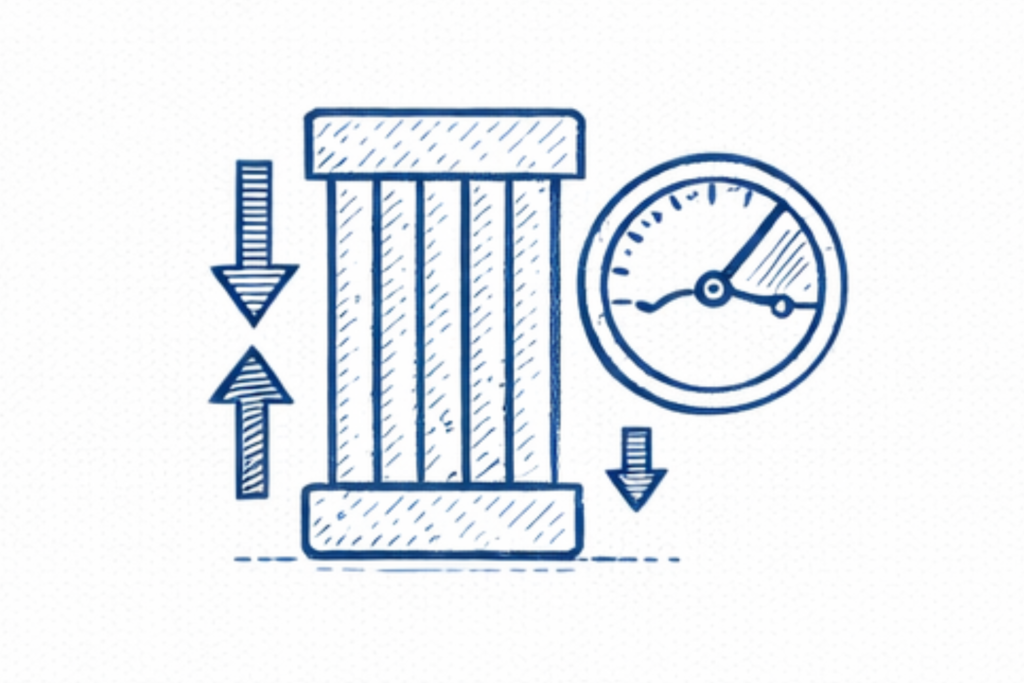
Heat Exchanger Temperature Imbalance
The main cryogenic heat exchanger must maintain a stable temperature profile to support efficient nitrogen separation.
If temperature differences between process streams become unstable, heat transfer efficiency may decline. This imbalance can result from feed air fluctuations, contamination in exchanger passages, or improper process control.
An unstable temperature profile can disturb the thermal balance of the cold box and affect cryogenic cold box operation.
Monitoring heat exchanger temperature trends helps engineers detect developing imbalances before they impact plant stability.
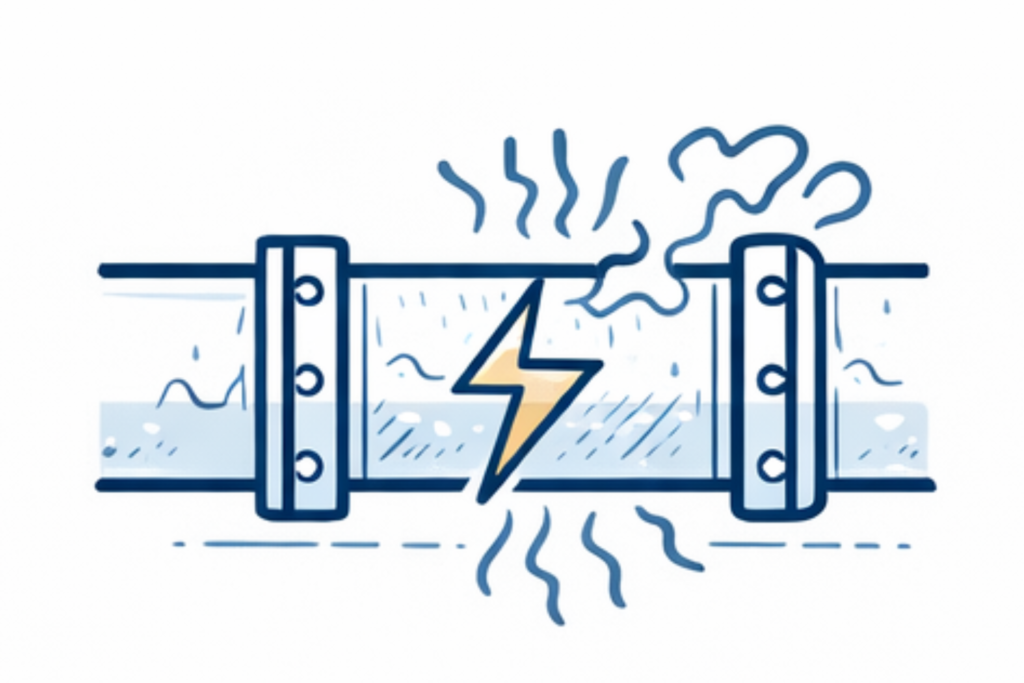
Mechanical Stress and Thermal Expansion
Cryogenic equipment experiences significant thermal contraction when cooled from ambient conditions to cryogenic temperatures. If temperature changes occur too rapidly during plant startup or shutdown, mechanical stress may develop within heat exchanger components or cryogenic piping.
Repeated thermal stress can eventually lead to structural damage or internal leakage within the exchanger.
To avoid these risks, controlled cooldown procedures must be followed during startup to ensure gradual temperature reduction and protect the mechanical integrity of cold box equipment.
Maintaining proper operating procedures helps ensure reliable cryogenic cold box operation.
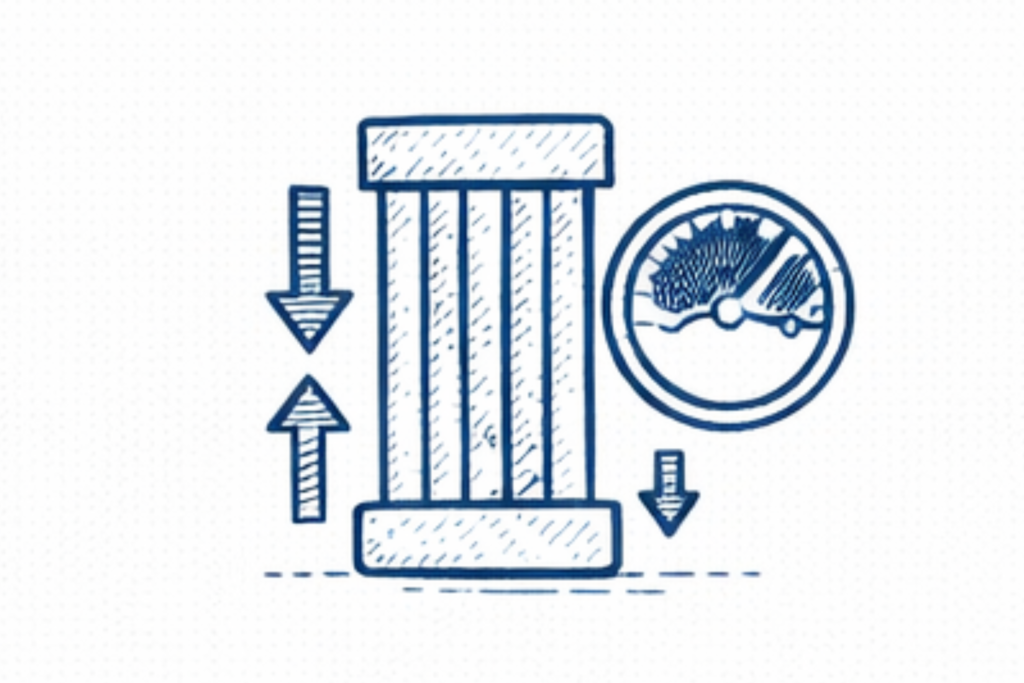
Increasing Pressure Drop Across the Heat Exchanger
An increase in pressure drop across the cryogenic heat exchanger is often an early indication of developing problems inside the cold box.
Possible causes include:
• freezing of contaminants inside exchanger passages
• accumulation of debris or hydrocarbons
• flow restrictions caused by contamination
Increasing pressure drop reduces process efficiency and may disturb plant thermal balance. Monitoring pressure drop trends therefore provides an important diagnostic indicator for maintaining stable cryogenic cold box operation.
Monitoring Cryogenic Cold Box Performance
Continuous monitoring of plant operating parameters is essential for maintaining reliable cryogenic cold box operation. Because the cold box contains the main heat exchanger and distillation columns, even small changes in process conditions can affect plant performance.
By monitoring key process variables, engineers can detect early signs of instability and take corrective action before problems develop.
Effective monitoring helps maintain thermal balance inside the cold box and supports consistent nitrogen production. Several key parameters should be monitored regularly to ensure stable operation.
Heat Exchanger Pressure Drop
Pressure drop across the main cryogenic heat exchanger is a key indicator of cold box performance.
Under normal conditions, the pressure drop remains relatively stable. However, contamination or freezing inside exchanger passages can gradually increase flow resistance.
An increase in pressure drop may indicate:
• freezing of moisture or carbon dioxide
• contamination within exchanger channels
• developing flow restrictions
Monitoring pressure drop trends helps engineers detect potential issues before they affect cryogenic cold box operation.

Temperature Profile Across the Heat Exchanger
The temperature distribution across the heat exchanger provides important insight into the thermal balance of the cold box.
Stable temperature profiles indicate efficient heat transfer between incoming air and outgoing product streams. However, abnormal trends may signal issues such as:
• contamination inside heat exchanger passages
• unstable feed air flow conditions
• improper refrigeration balance
Monitoring temperature profiles helps maintain reliable cryogenic cold box operation and efficient nitrogen separation.
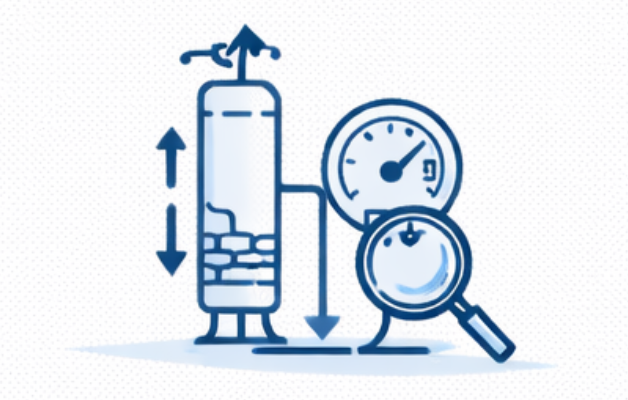
Distillation Column Pressure Stability
Stable pressure inside the distillation column is essential for maintaining proper vapor-liquid equilibrium.
If column pressure begins to fluctuate, it may indicate disturbances in the cryogenic section or instability in the heat exchanger temperature profile.
Pressure instability can affect nitrogen purity and overall plant efficiency.
Maintaining stable column pressure therefore plays an important role in supporting consistent cryogenic cold box operation.
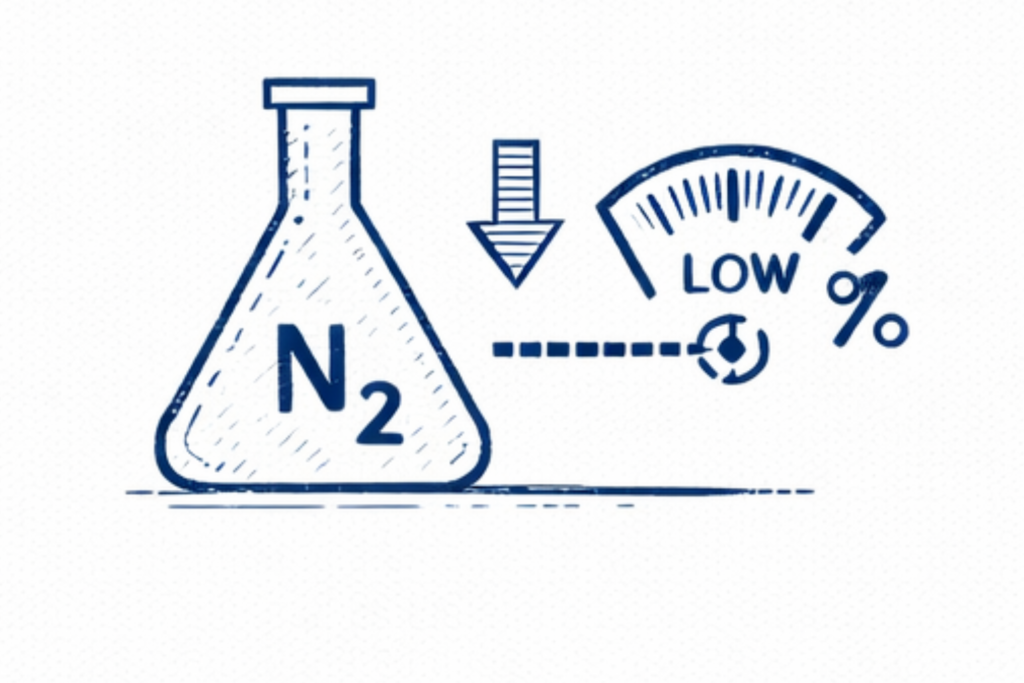
Nitrogen Purity Trends
Nitrogen purity is one of the most visible indicators of plant performance. Sudden changes or gradual fluctuations in nitrogen purity may indicate disturbances within the cold box.
Possible causes include:
• temperature imbalance in the heat exchanger
• unstable distillation column operation
• contamination entering the cryogenic section
Monitoring nitrogen purity trends helps engineers identify developing problems that may affect cryogenic cold box operation.
Feed Air Flow Stability
Stable feed air flow is essential for maintaining the thermal balance inside the cold box.
Fluctuations in compressor discharge pressure or feed air flow may disturb the heat exchanger temperature profile and affect column stability.
Maintaining consistent feed air conditions helps ensure reliable cryogenic cold box operation and prevents unnecessary process disturbances.

Using Process Trend Analysis
Modern nitrogen plants generate large amounts of operational data through distributed control systems. Analyzing this process data allows engineers to detect subtle changes in plant behavior.
Trend analysis helps identify early warning signs such as:
• gradual increases in pressure drop
• developing temperature imbalances
• slow changes in nitrogen purity
Engineers who regularly analyze process trends are better equipped to maintain stable cryogenic cold box operation and prevent major operational disturbances.
Operational Best Practices for Cold Box Operation
Maintaining reliable cryogenic cold box operation requires disciplined operational practices and careful control of plant operating conditions. Because the cold box contains the most sensitive cryogenic equipment in the plant, even small disturbances can affect thermal balance and separation efficiency.
Plant operators and engineers must therefore follow structured operating procedures to ensure stable cold box performance and prevent operational problems.
Several operational practices are particularly important for maintaining stable cryogenic cold box operation.
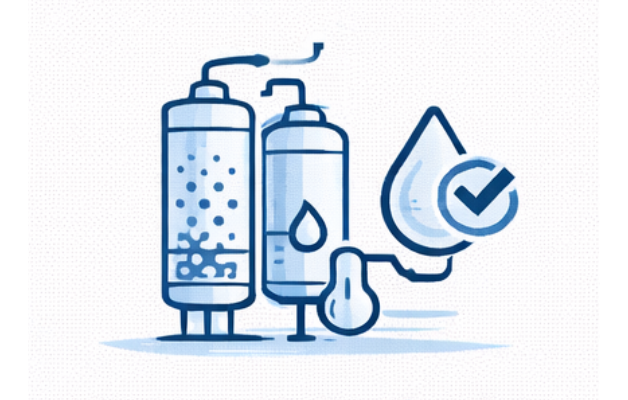
Maintain Reliable Air Purification
The molecular sieve purification system protects the cold box by removing moisture, carbon dioxide, and other contaminants from the compressed air stream.
If the purification system fails or operates improperly, contaminants may enter the cryogenic section and freeze inside the heat exchanger passages.
Reliable purification performance is therefore one of the most important requirements for maintaining stable cryogenic cold box operation.
Engineers should regularly monitor adsorption cycles, regeneration temperatures, and switching valve performance to ensure the purification system operates correctly.
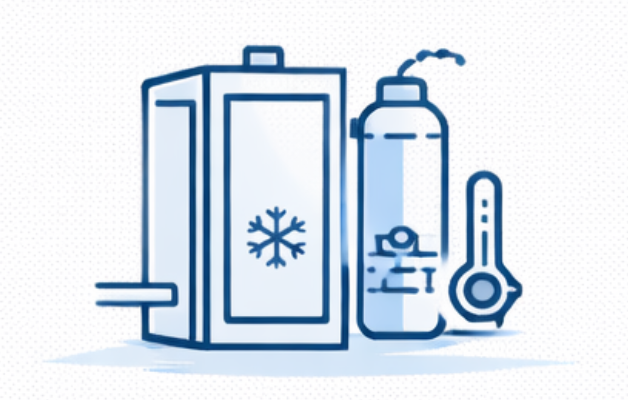
Controlled Startup and Cooldown
Cold box equipment must be cooled gradually during plant startup. Rapid temperature reduction can create thermal stress within cryogenic equipment and may damage heat exchanger components.
Controlled cooldown procedures allow the cold box to reach cryogenic temperatures gradually while maintaining proper thermal balance.
Similarly, during plant shutdown, warming of the cold box should also occur in a controlled manner to prevent excessive thermal stress.
Following proper startup and shutdown procedures helps protect equipment and maintain long-term cryogenic cold box operation reliability.
Maintain Stable Feed Air Conditions
Consistent feed air pressure and flow are essential for maintaining stable cold box performance.
Fluctuations in compressor discharge pressure or feed air flow can disturb the heat exchanger temperature profile and affect distillation column operation.
Maintaining stable feed air conditions helps ensure consistent refrigeration balance and supports reliable cryogenic cold box operation.
Proper compressor control and stable upstream process conditions therefore play an important role in plant stability.

Monitor Process Trends and Early Warning Indicators
Continuous monitoring of plant process data allows engineers to detect early signs of operational disturbances.
Important indicators to monitor include:
• heat exchanger pressure drop
• cold box temperature profiles
• nitrogen purity trends
• distillation column pressure stability
Regular analysis of these parameters allows engineers to identify developing problems before they significantly affect cryogenic cold box operation.
Early detection and corrective action help prevent operational disruptions and improve overall plant reliability.

Maintain Instrument Calibration and Control Stability
Accurate instrumentation is essential for maintaining stable cryogenic plant operation. Temperature transmitters, pressure sensors, and flow measurement devices provide critical information used by the plant control system.
If instruments become inaccurate or poorly calibrated, incorrect control actions may occur and disturb process stability.
Regular calibration of instrumentation and proper tuning of control loops help maintain stable process conditions and support reliable cryogenic cold box operation.
Maintain Preventive Maintenance Programs
Preventive maintenance plays an important role in ensuring long-term plant reliability. Regular inspection of compressors, purification systems, valves, and instrumentation helps identify potential problems before they affect plant performance.
Maintenance activities should focus on equipment that directly influences cryogenic cold box operation, including molecular sieve systems, control valves, and process instrumentation.
Well-structured maintenance programs help reduce operational risks and support stable cryogenic plant performance.
Engineering Resources for Cold Box Operation
Engineers responsible for nitrogen plant operation frequently rely on specialized engineering frameworks and diagnostic tools to better understand plant behavior and identify the root causes of performance disturbances.
Access to well-structured engineering resources can significantly improve the ability of plant teams to maintain stable cryogenic cold box operation and respond effectively to operational issues.

Cryogenic Nitrogen Plant Troubleshooting Guides
Practical troubleshooting references that help plant engineers identify root causes of operational problems such as purity fluctuations, cold box freezing, plant trips, and process instability.

Engineering Diagnostics Frameworks
Structured diagnostic approaches that allow engineers to systematically evaluate plant performance, isolate process disturbances, and determine the underlying causes of operational issues.

Operational Stability Improvement Methods
Engineering methods focused on improving process balance, control stability, and overall reliability to maintain consistent nitrogen purity and steady plant operation.

Process Trend Analysis Techniques
Analytical techniques for interpreting DCS process trends to detect early signs of plant instability, performance degradation, and abnormal operating conditions.
These resources help engineers maintain reliable cryogenic cold box operation and protect critical cryogenic equipment.
Related Engineering Guides
Reliable cryogenic cold box operation depends on proper air purification, stable plant conditions, and disciplined operational practices. Because cryogenic nitrogen plants operate as integrated thermodynamic systems, problems affecting the cold box are often connected to other plant systems such as molecular sieve purification, distillation column stability, and plant startup procedures.
For deeper technical understanding of these related systems, explore the following engineering guides.
Cryogenic Nitrogen Plant Troubleshooting Handbook
Operational problems affecting the cold box often originate from interactions between multiple plant systems. This troubleshooting guide explains systematic diagnostic methods for identifying the root causes of nitrogen plant operational disturbances.
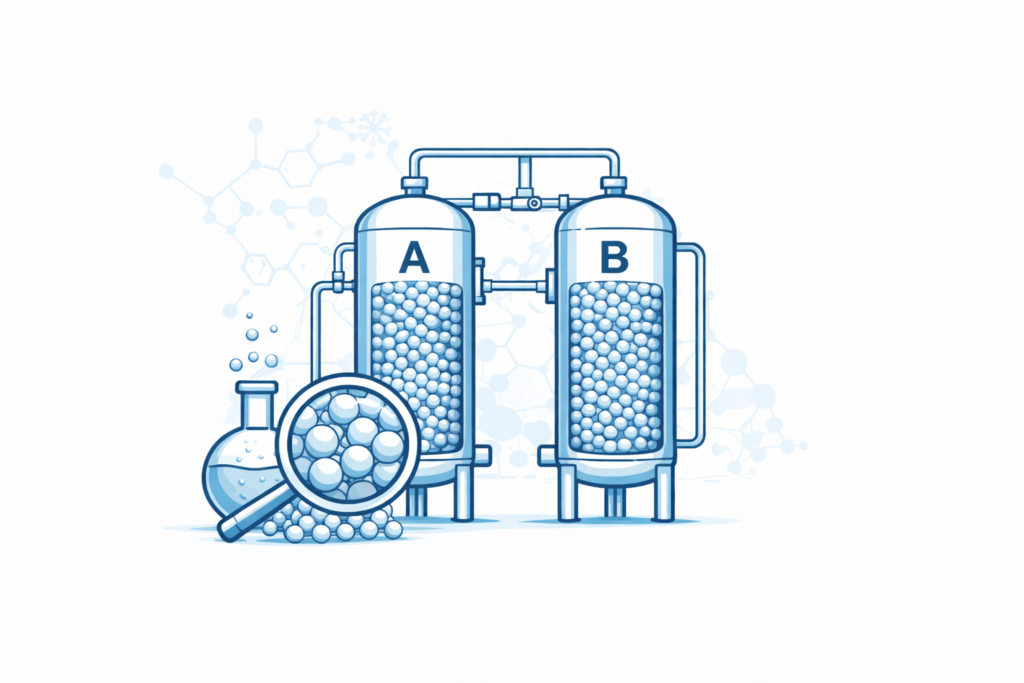
Molecular Sieve Systems in Cryogenic Nitrogen Plants
The molecular sieve purification system protects the cryogenic section by removing moisture and carbon dioxide from compressed air before it enters the cold box. Reliable purification performance is essential for preventing freezing inside the cryogenic heat exchanger and maintaining stable cryogenic cold box operation.
Performance Guarantee Testing for Cryogenic Nitrogen Plants
Performance guarantee testing verifies whether the plant meets its design specifications for nitrogen production capacity, purity, and energy consumption. Understanding these performance parameters helps engineers evaluate overall plant efficiency.

Cryogenic Nitrogen Plant Operations – Complete Engineering Guide
Understanding the overall operation of cryogenic nitrogen plants provides the foundation for diagnosing cold box problems and improving plant reliability. This comprehensive operations guide explains the key systems and processes involved in cryogenic nitrogen production.
Cryogenic Nitrogen Plant Startup and Commissioning – Practical Engineering Guide
Proper startup and commissioning procedures are essential for establishing stable operating conditions inside the cold box. This guide explains the key steps involved in safely bringing cryogenic nitrogen plants into operation.

Stability and Performance Optimization in Cryogenic Nitrogen Plants
Stable plant operation is essential for maintaining reliable cryogenic separation. This guide explains engineering methods for improving operational stability, optimizing process conditions, and maintaining consistent plant performance.
Related Engineering Insights
These engineering insights provide deeper analysis of critical issues encountered during cryogenic nitrogen plant startup and commissioning, helping engineers understand process behavior, instability, and system interactions.
Why Nitrogen Plant Purity Fluctuates
Nitrogen purity fluctuations are often caused by distillation column imbalance, unstable reflux conditions, feed pressure variations, or analyzer drift. This article explains the engineering reasons behind purity instability and how plant engineers can diagnose and correct the underlying process disturbances.

Molecular Sieve Failure in Cryogenic Nitrogen Plants
The molecular sieve system plays a critical role in removing moisture, carbon dioxide, and hydrocarbons from the incoming air stream. This article explains the common causes of molecular sieve failures, including incomplete regeneration, switching valve problems, and adsorbent degradation, and how these issues affect cryogenic plant operation.
Cold Box Freezing in Cryogenic Nitrogen Plants
Cold box freezing occurs when contaminants enter the cryogenic section and freeze within the heat exchanger passages. This article examines the process mechanisms that lead to icing or freezing, the early warning signs engineers should monitor, and practical troubleshooting approaches to prevent major plant disruptions.
Cryogenic Heat Exchanger Icing in Nitrogen Plants
Engineering analysis of cryogenic heat exchanger icing, including moisture ingress, pretreatment system failure, and temperature imbalance during plant operation.
This issue is closely related to process instability and operational fluctuation observed in cryogenic nitrogen plants.
Use trend analysis techniques to identify early icing indicators and prevent performance degradation.

Diagnosing Nitrogen Plant Instability Using Trend Data
Modern cryogenic plants generate extensive process data through distributed control systems. This article explains how engineers can use trend analysis of pressure, temperature, and purity data to detect early signs of instability and identify hidden operational problems.
Why Nitrogen Plants Fail Performance Guarantee Tests
Engineering analysis of performance guarantee test failures, including deviations in nitrogen purity, energy consumption, and process efficiency under design conditions.
These failures are often linked to system imbalance, operational instability, and improper commissioning practices.
Apply structured performance analysis and stability improvement methods to identify root causes and restore plant performance.
Cryogenic Nitrogen Plant Engineering Toolkits
Effective cryogenic cold box operation and troubleshooting require not only theoretical knowledge but also practical engineering tools that help operators diagnose problems quickly and maintain stable plant performance.
To support plant engineers and operations teams, GraphicMedium provides specialized engineering toolkits and practical resources designed specifically to assist with cryogenic cold box operation and troubleshooting activities.
These resources are developed to help engineers strengthen diagnostic capability, better understand plant behavior, and respond more effectively to operational disturbances that can affect stable cryogenic nitrogen plant operation.

Cryogenic Nitrogen Plant Troubleshooting Toolkit
A structured engineering toolkit designed to help plant operators diagnose operational disturbances and identify root causes of plant instability.
Includes diagnostic frameworks and troubleshooting checklists used for cryogenic plant operations.

Cryogenic Nitrogen Plant Commissioning Toolkit
A practical resource for commissioning engineers responsible for plant startup, cooldown procedures, and early-stage operational stabilization.
Helps engineers manage commissioning risks and establish stable plant operation.

Cryogenic Plant Stability & Optimization Toolkit
A toolkit designed to help engineers improve plant stability, maintain process balance, and reduce operational fluctuations in cryogenic nitrogen plants.
Focus areas include refrigeration balance, column stability, and operational diagnostics.

Cryogenic Plant Safety & Compliance Toolkit
Cryogenic nitrogen plants involve several operational hazards including extremely low temperatures, high-pressure systems, rotating equipment, and oxygen deficiency risks.
This toolkit provides practical safety checklists, operational precautions, and engineering guidance to help plant teams maintain safe and compliant plant operation.
Engineering Perspective on Cryogenic Cold Box Operation
The cold box is the most thermodynamically sensitive and operationally critical section of a cryogenic nitrogen plant. Inside this insulated enclosure, the heat exchanger, distillation columns, and refrigeration systems must operate in precise thermal balance to ensure efficient nitrogen separation.
Maintaining reliable cryogenic cold box operation therefore requires careful control of process conditions, effective air purification, and disciplined operational practices.
Operational disturbances often develop gradually. Small changes in heat exchanger pressure drop, temperature profiles, or column pressure balance may indicate developing problems. Early detection through process monitoring and trend analysis helps prevent major operational disruptions.
Reliable air purification, stable feed air conditions, and proper startup procedures help protect cold box equipment and maintain plant stability. By combining process monitoring, preventive maintenance, and structured engineering diagnostics, plant engineers can ensure stable and reliable long-term operation.
Referenced Engineering Standards & Technical Sources
 Industry Standards & Engineering Bodies
- American Society of Mechanical Engineers (ASME) — Codes and standards for pressure systems and equipment design
- International Organization for Standardization (ISO) — Industrial standards for systems, safety, and process consistency
- American Petroleum Institute (API) — Guidelines for process equipment, safety, and operational practices
- International Society of Automation – Control system response during transient conditions
Process Engineering & Industrial References
- Air Liquide — Technical insights on industrial gas production and air separation
- Linde plc — Engineering practices and cryogenic process expertise
- Air Products and Chemicals — Industrial gas technologies and process systems
Need Support Diagnosing Cryogenic Cold Box Problems?
Operational issues affecting cryogenic cold box operation can lead to nitrogen purity fluctuations, increasing pressure drop, reduced plant efficiency, and unexpected plant trips.
Engineering teams facing persistent operational challenges may benefit from specialized diagnostic support and structured troubleshooting frameworks.
Explore specialized cryogenic nitrogen plant consulting services designed to help plant engineers diagnose operational problems, improve plant stability, and optimize long-term plant performance.