
Cryogenic Nitrogen
Plant Troubleshooting Handbook

Practical engineering guide for diagnosing and resolving operational problems in cryogenic nitrogen plants used in industrial air separation units.

Practical engineering handbook for cryogenic nitrogen plant troubleshooting, helping plant engineers diagnose operational disturbances, identify root causes, and restore stable plant performance in industrial nitrogen plants.

cryogenic nitrogen plant troubleshooting

Introduction

Cryogenic nitrogen plants operate as tightly integrated process systems where disturbances in one section of the plant can quickly affect overall performance. Effective cryogenic nitrogen plant troubleshooting therefore requires a structured engineering approach that considers the interaction between compression systems, air purification units, cryogenic heat exchangers, and distillation columns.

Because these systems are thermally and operationally interconnected, troubleshooting must focus on identifying the root cause of process disturbances rather than reacting only to symptoms.

Plant engineers frequently encounter operational challenges such as:

• nitrogen purity fluctuations
• cold box freezing
• molecular sieve failures
• startup instability
• frequent plant trips
• increased energy consumption

Understanding the interactions between different plant systems is essential for effective troubleshooting and maintaining stable long-term plant operation.

This handbook provides plant engineers and operations teams with a practical framework for cryogenic nitrogen plant troubleshooting, helping diagnose and resolve common operational problems including purity fluctuations, cold box freezing, plant instability, and frequent plant trips.

For structured diagnosis, refer to the cryogenic nitrogen plant troubleshooting toolkit.

Why Cryogenic Nitrogen Plant Troubleshooting is Challenging

Troubleshooting cryogenic air separation systems requires both process knowledge and operational experience. Several factors make cryogenic nitrogen plant troubleshooting particularly complex.

Process Interdependence

The major systems in a nitrogen plant operate in close interaction. Problems in one section often appear as symptoms in another part of the plant.

For example:

  • Molecular sieve problems may cause cold box freezing

  • Compressor instability may affect distillation column pressure

  • Heat exchanger icing may reduce plant capacity

Successful troubleshooting therefore requires understanding the entire process system rather than individual equipment items.

Slow Process Response

Cryogenic systems contain large thermal inventories and may respond slowly to operational changes. When process adjustments are made, the full impact may not appear immediately.

This delayed response can lead to:

  • incorrect operator conclusions

  • repeated adjustments that worsen instability

  • difficulty identifying the true cause of disturbances

Careful observation of process trends over time is therefore an important part of cryogenic nitrogen plant troubleshooting.

Instrumentation Sensitivity

Cryogenic nitrogen plants depend heavily on reliable instrumentation and analyzers.

Incorrect readings from:

  • oxygen analyzers

  • temperature transmitters

  • flow meters

can mislead operators and complicate troubleshooting efforts.

Instrument verification should always be considered during cryogenic nitrogen plant troubleshooting investigations.

Understanding process interdependence is essential when analyzing issues such as heat exchanger icing, startup instability, and process instability in cryogenic nitrogen plants.

These challenges are further explained in the cryogenic nitrogen plant operations guide and cold box operation guide.

Systematic Cryogenic Nitrogen Plant Troubleshooting Approach

A structured troubleshooting methodology helps plant engineers diagnose operational problems more effectively. The following step-by-step framework is widely used during cryogenic nitrogen plant troubleshooting.

Step 1 – Identify the Primary Operational Symptom

The first step is clearly identifying the observable problem. Examples include: nitrogen purity fluctuations abnormal temperature profiles rising pressure drop in the cold box repeated plant shutdowns unstable process variables Clearly defining the symptom helps narrow the range of possible causes

Step 2 – Review Process Trend Data

Process trends provide valuable insights into plant behaviour over time. Important trends to review include: nitrogen purity distillation column pressure heat exchanger temperature profiles compressor discharge pressure molecular sieve switching cycles Trend analysis often reveals patterns that help identify the root cause of the problem.
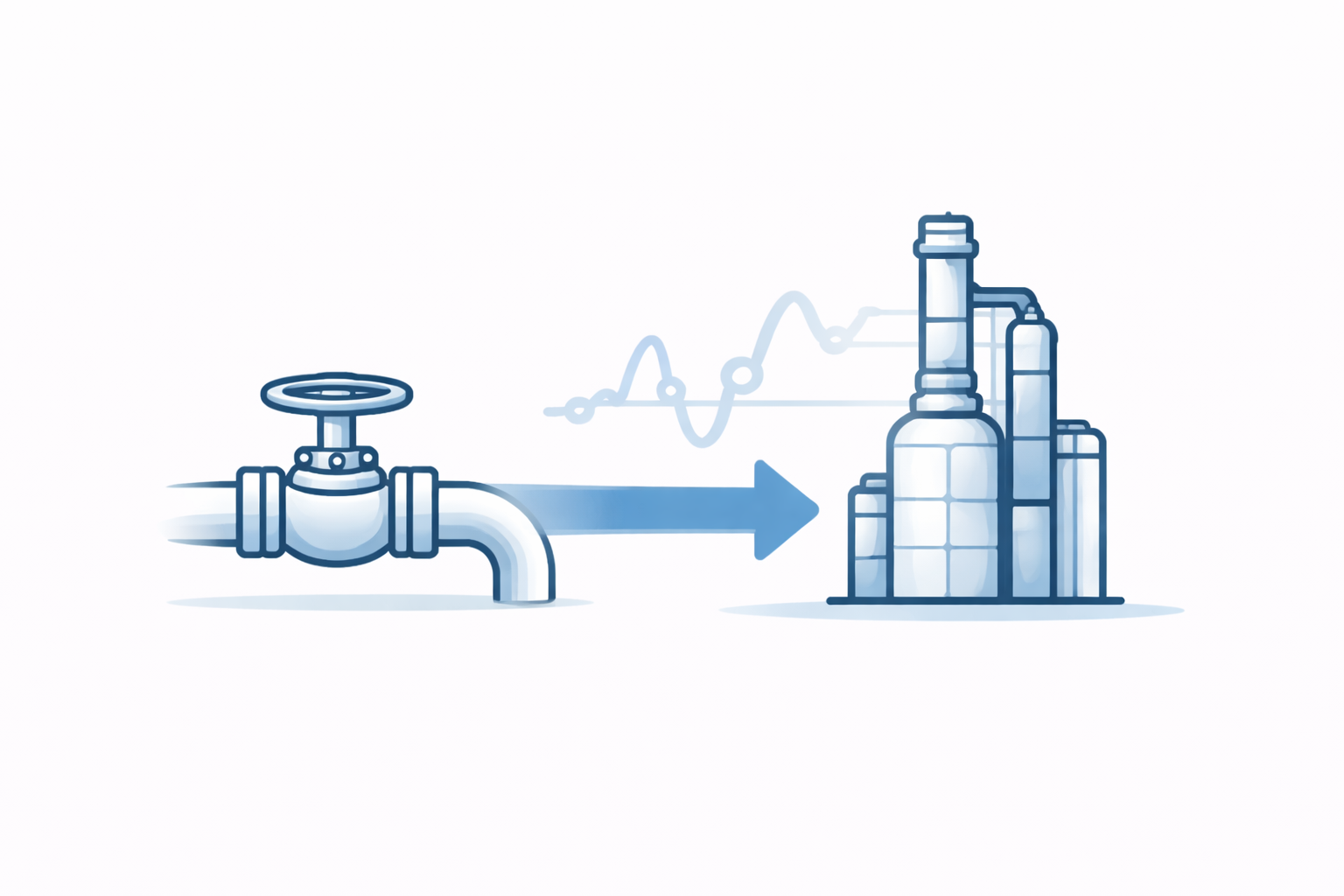
Step 3 – Check Upstream Systems

In many cases, the visible problem originates upstream in the process. Examples include: purification problems leading to cold box icing compressor pressure fluctuations affecting column stability improper feed conditions causing purity instability During cryogenic nitrogen plant troubleshooting, upstream systems should always be examined before adjusting downstream equipment.

Step 4 – Verify Instrument Accuracy

Before implementing corrective actions, critical instruments should be verified. Key devices include: oxygen analyzers temperature transmitters pressure transmitters flow measurement instruments Instrument errors can sometimes create false indications of plant problems.

Step 5 – Implement Controlled Process Adjustments

Corrective actions should be applied gradually while monitoring plant response. Sudden or aggressive adjustments may introduce additional disturbances into the system. Controlled changes allow engineers to confirm whether the identified cause is correct.
Common Operational Problems in Cryogenic Nitrogen Plants

Several operational issues are frequently encountered during cryogenic nitrogen plant troubleshooting. Understanding these problems helps engineers identify likely causes more quickly.

Nitrogen Purity Fluctuations

Unstable nitrogen purity is one of the most common operational issues in cryogenic nitrogen plants.

Possible causes include:

  • distillation column imbalance

  • improper reflux conditions

  • feed air pressure fluctuations

  • analyzer calibration drift

  • control loop instability

Persistent purity fluctuations often indicate problems within the distillation column operation or process control system. 

A detailed root cause analysis of this issue is covered in why nitrogen plant purity fluctuates.

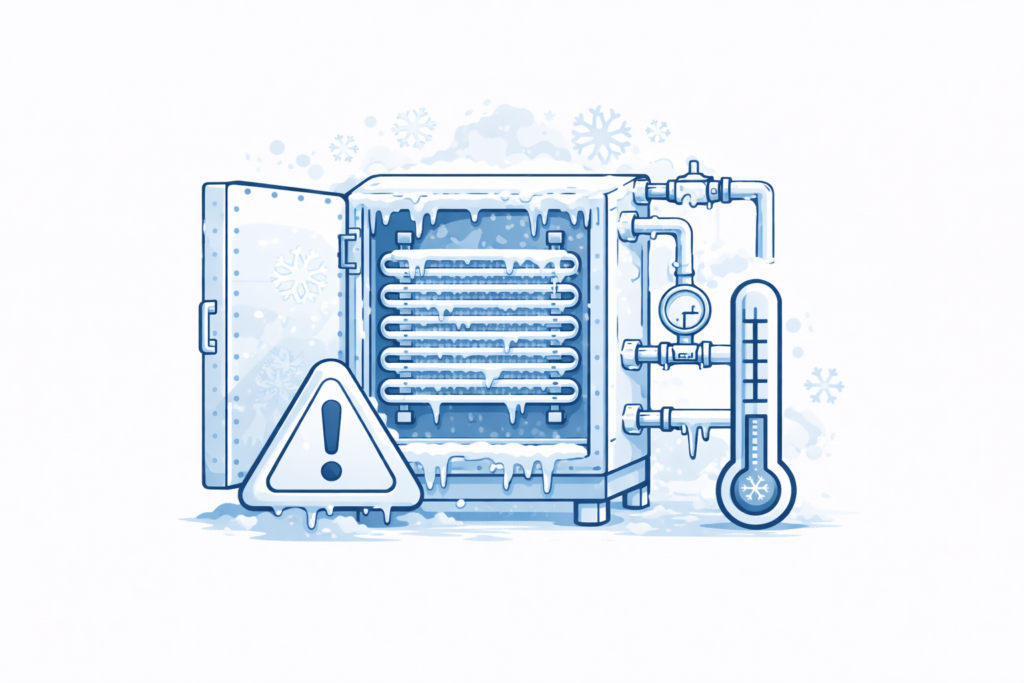
Cold Box Freezing

Cold box freezing occurs when contaminants such as moisture or carbon dioxide enter the cryogenic section of the plant.

These contaminants can freeze inside the heat exchanger and restrict process flow.

Typical symptoms include:

  • increasing pressure drop

  • abnormal temperature profiles

  • gradual reduction in plant capacity

Cold box freezing usually originates from air purification system failure.

Cold box freezing is analyzed in detail in cold box freezing in nitrogen plants, including early warning signs and recovery methods.

Startup Instability

Many cryogenic nitrogen plants experience instability during plant startup or restart conditions.

Startup instability may occur due to:

  • improper cooldown procedures

  • unstable compressor operation

  • incorrect column pressure control

  • insufficient reflux conditions

Careful monitoring and gradual stabilization are required during the startup phase.

Startup instability is explained in detail in startup instability in cryogenic nitrogen plants.

Use the commissioning toolkit for structured startup and stabilization procedures.

Process Instability and Operational Fluctuation

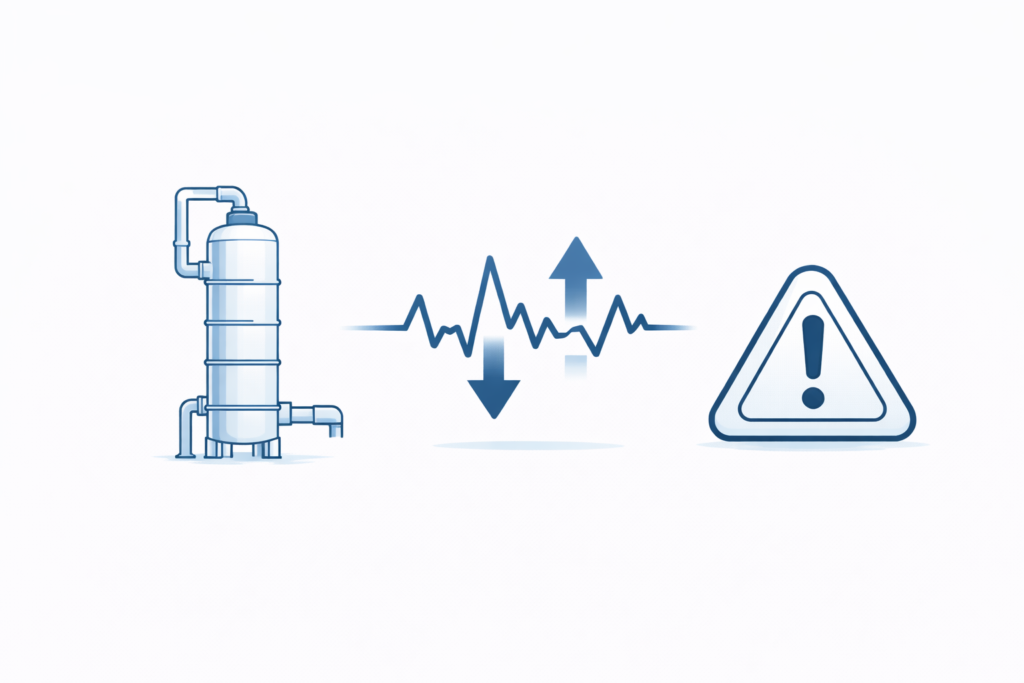
Process instability may appear as oscillations in pressure, temperature, and flow within the plant.

Possible causes include:

  • unstable control loops

  • feed air fluctuations

  • column pressure imbalance

  • refrigeration system disturbances

These oscillations can propagate through the plant and affect nitrogen purity.

Process Instability and Operational Fluctuation are key indicators of deeper control or system imbalance issues.

These conditions are further explained in how to read nitrogen plant trends to predict failures before they happen.

Frequent Plant Trips

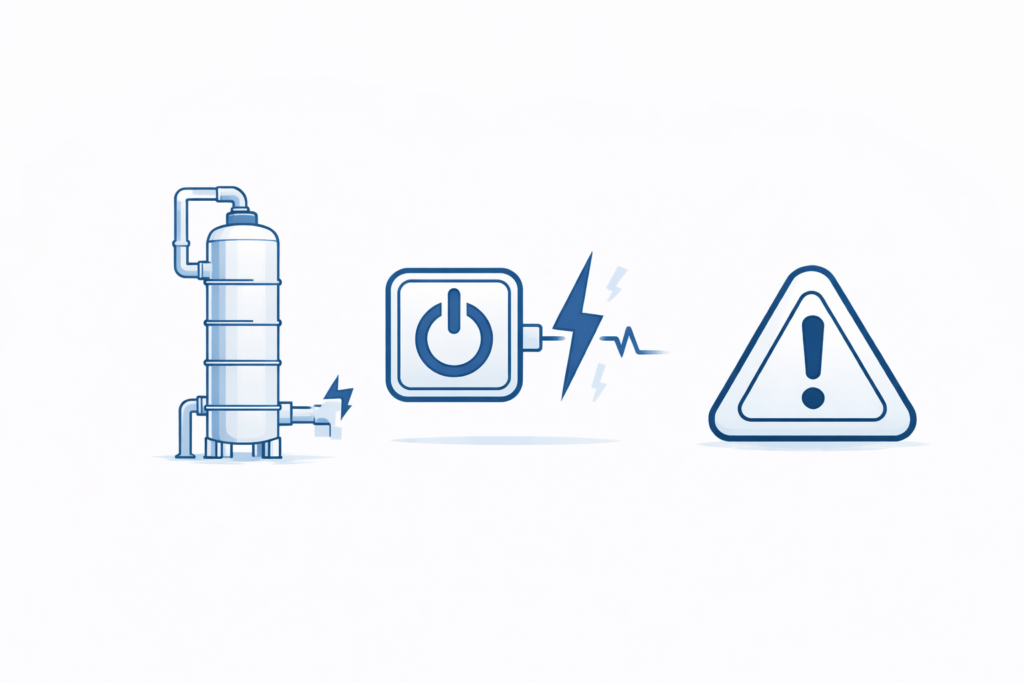
Unexpected plant shutdowns are another common operational challenge.

Typical trip causes include:

  • analyzer alarms

  • compressor protection trips

  • instrumentation faults

  • control system instability

Frequent trips often indicate deeper process instability that must be addressed through systematic cryogenic nitrogen plant troubleshooting.

Frequent plant trips are analyzed in why nitrogen plants fail performance guarantee tests and common causes of cryogenic nitrogen plant trips.


Increased Energy Consumption

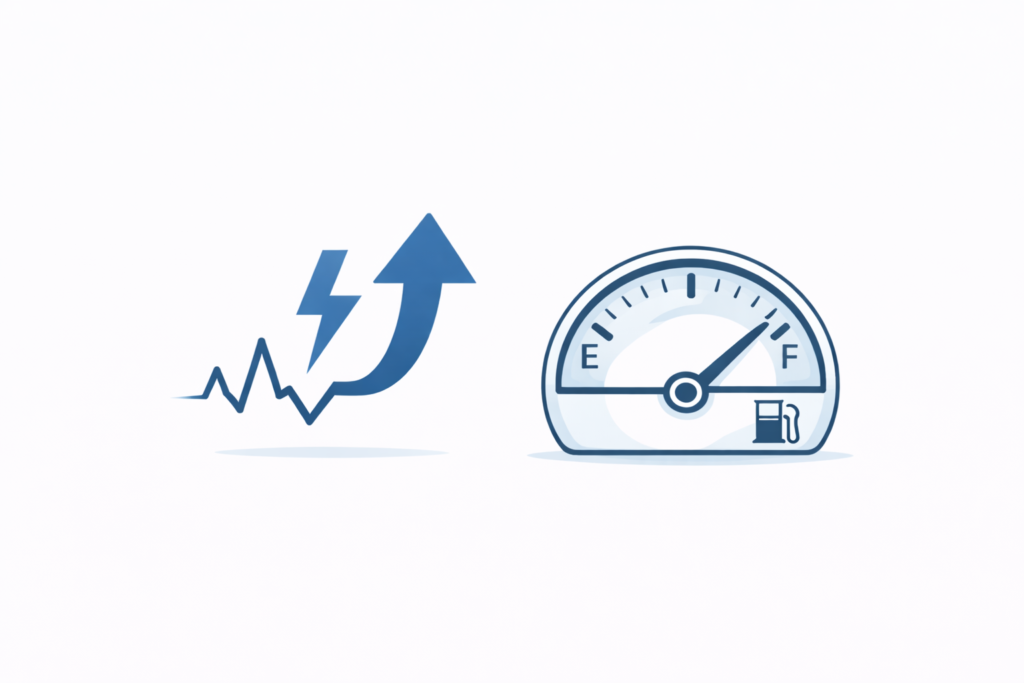
Gradual increases in compressor power consumption often indicate declining plant efficiency.

Possible causes include:

  • heat exchanger fouling

  • pressure imbalance within the distillation column

  • inefficient compressor operation

  • process inefficiencies within the refrigeration system

Monitoring long-term energy trends can help detect performance problems early.

Energy inefficiencies are analyzed in why nitrogen plant energy consumption increases.

These issues are closely related to heat exchanger performance and compressor operation inefficiencies.

Diagnosing Problems by Plant Section

During cryogenic nitrogen plant troubleshooting, it is often useful to examine each major process section individually.

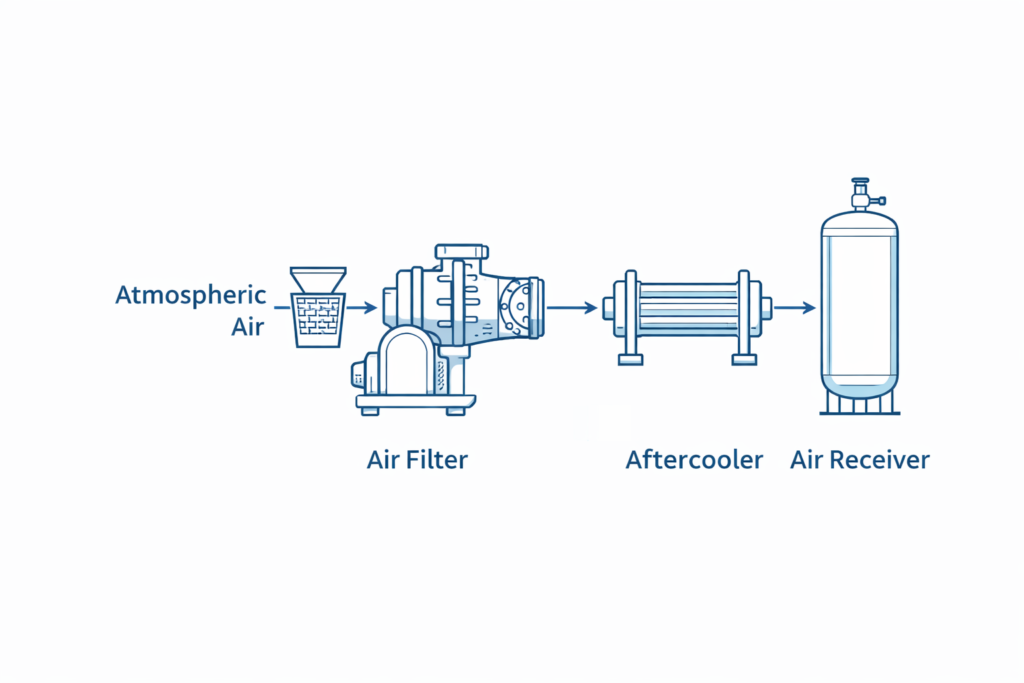
Air Compression System

Problems in the air compression system can affect plant capacity and energy efficiency.

Typical troubleshooting indicators include:

  •  abnormal compressor discharge temperature.
  •  increasing compressor power consumption.
  •  unstable feed air flow
  • unstable compressor discharge pressure
  • compressor surge conditions

  • inadequate air cooling

Compressor stability is essential for maintaining consistent feed conditions for the cryogenic process.

Compressor-related issues often lead to process instability and increased energy consumption in nitrogen plants.

These effects are explained inperformance optimization insights for cryogenic nitrogen plants.

Air Purification System

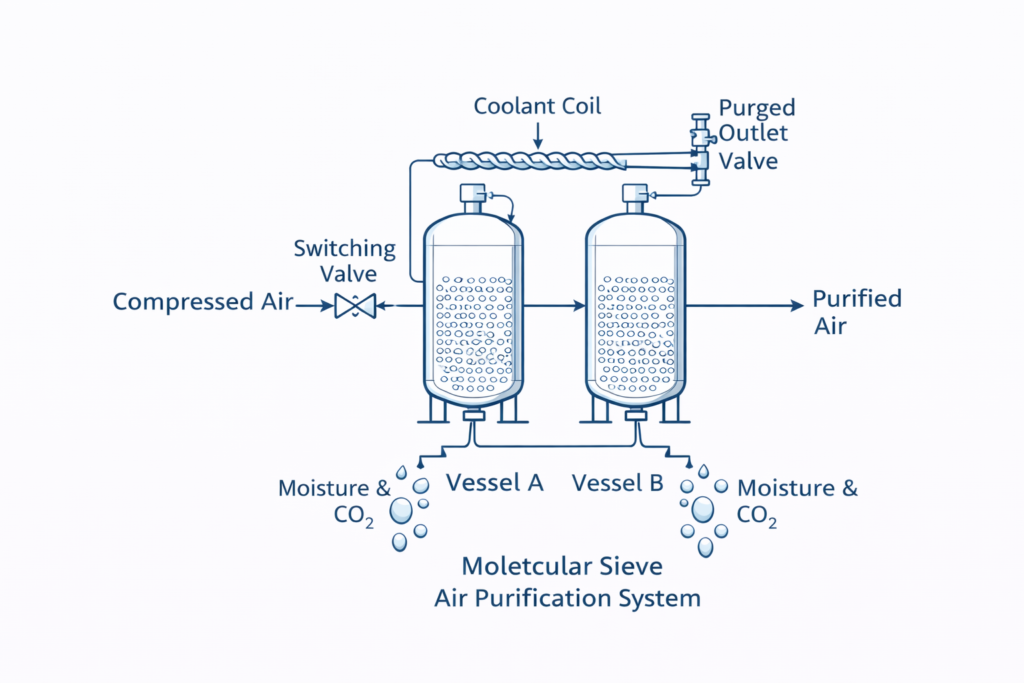
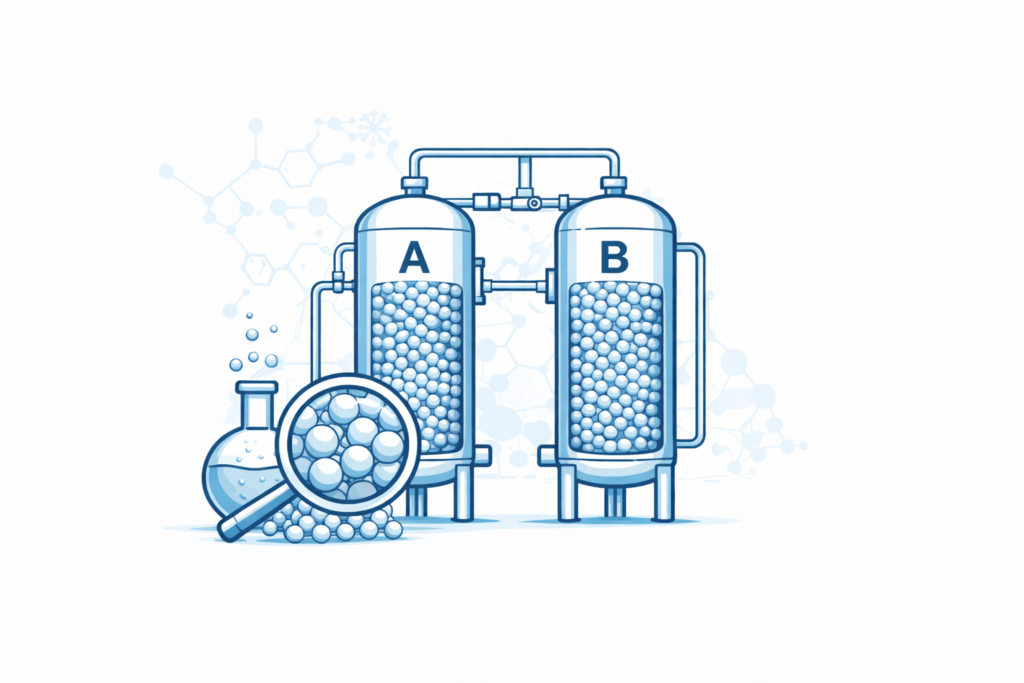
The purification system removes moisture, carbon dioxide, and hydrocarbons before the air enters the cold box.

Purification system issues can introduce moisture or carbon dioxide into the cold box, potentially causing freezing problems.

Common troubleshooting indicators include:

  • rising dew point.
  •  CO₂ breakthrough.
  •  abnormal adsorber switching behavior
  • regeneration temperature

  • switching valve operation

  • adsorbent condition

  • regeneration gas flow

Pretreatment system failures are analyzed in how to diagnose molecular sieve failure in nitrogen plant pretreatment systems.

These failures are a primary cause of cold box freezing and purity instability.

Cryogenic Heat Exchanger

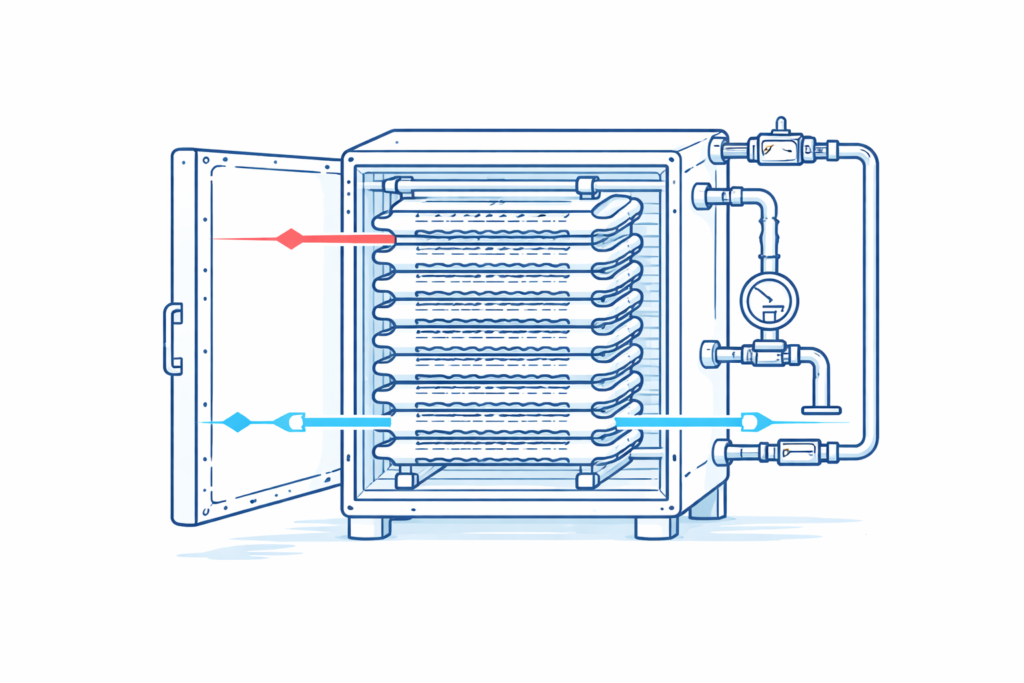
The main heat exchanger is critical for cooling the feed air and recovering cold energy from process streams.

Possible issues include:

  • heat exchanger icing

  • increased pressure drop

  • uneven flow distribution

  • abnormal temperature approach.
  • uneven temperature profiles

These problems may reduce plant efficiency or cause operational instability.

Cold box performance issues are explained in cryogenic heat exchanger icing in nitrogen plants.

Freezing-related failures are covered in cold box freezing in nitrogen plants.

Distillation Column

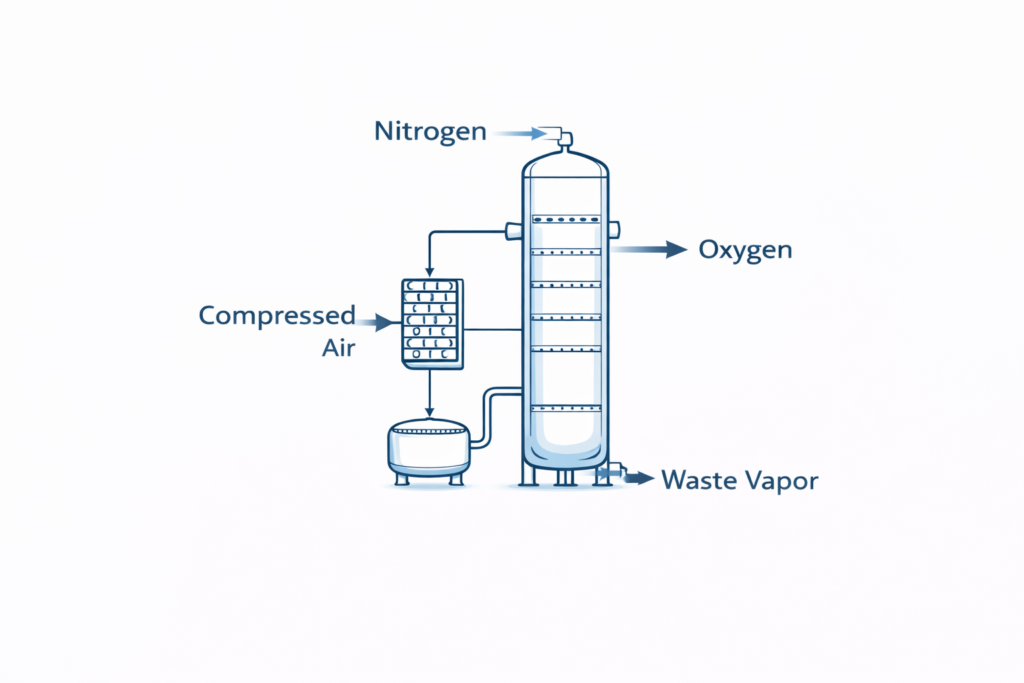
The distillation column is responsible for separating nitrogen from oxygen.

Operational challenges may include:

  • unstable column pressure

  • incorrect reflux conditions

  • composition imbalance

  • nitrogen purity fluctuations
  •  abnormal liquid levels

Column instability is often the underlying cause of nitrogen purity fluctuations.

Preventing Recurring Operational Problems

Long-term plant reliability depends on proactive monitoring and preventive operational practices.

Plant engineers can improve reliability by focusing on:

• continuous process trend monitoring
• early detection of process deviations
• maintaining purification system performance
• regular equipment performance checks

Developing a deeper understanding of plant behaviour significantly improves troubleshooting effectiveness.

Using Process Trend Data for Advanced Troubleshooting

Modern cryogenic plants generate extensive operational data through distributed control systems.

Effective cryogenic nitrogen plant troubleshooting increasingly depends on analyzing these process trends.

Trend analysis helps engineers detect:

  • oscillating control loops

  • gradual performance deterioration

  • early signs of plant instability

Important parameters to monitor include:

  • nitrogen purity

  • column pressure

  • heat exchanger temperature profile

  • compressor load and power consumption

Engineers who regularly analyze process trends can often identify problems before they escalate into major operational failures.

Trend analysis is particularly effective in detecting early signs of process instabilityenergy inefficiency, and purity fluctuations.

Engineering Resources for Nitrogen Plant Operators

Cryogenic nitrogen plant troubleshooting often requires both process knowledge and structured diagnostic methods.

To support plant engineers and operations teams, this platform provides engineering resources covering:

Cryogenic Nitrogen Plant Troubleshooting Guides

Practical troubleshooting references that help plant engineers identify root causes of operational problems such as purity fluctuations, cold box freezing, plant trips, and process instability.

These guides provide structured methodologies for diagnosing and resolving complex plant issues.

Engineering Diagnostics Frameworks

Structured diagnostic approaches that allow engineers to systematically evaluate plant performance, isolate process disturbances, and determine the underlying causes of operational issues.

These frameworks are essential for handling complex, interdependent cryogenic systems.

Operational Stability Improvement Methods

Engineering methods focused on improving process balance, control stability, and overall reliability to maintain consistent nitrogen purity and steady plant operation.

These methods are explained in detail in stability and performance optimization strategies for cryogenic nitrogen plants.

Process Trend Analysis Techniques

Analytical techniques for interpreting DCS process trends to detect early signs of plant instability, performance degradation, and abnormal operating conditions.

These techniques are covered in diagnosing nitrogen plant instability using trend data.

These structured engineering resources are designed to help engineers diagnose and resolve plant operational challenges more effectively.

Related Engineering Insights

For deeper analysis of specific operational problems, explore the following engineering insight articles. These resources examine the root causes, operational mechanisms, and troubleshooting methods for common cryogenic nitrogen plant issues.

Why Nitrogen Plant Purity Fluctuates

Nitrogen purity fluctuations are often caused by distillation column imbalance, unstable reflux conditions, feed pressure variations, or analyzer drift. This article explains the engineering reasons behind purity instability and how plant engineers can diagnose and correct the underlying process disturbances.

Molecular Sieve Failure in Cryogenic Nitrogen Plants

The molecular sieve system plays a critical role in removing moisture, carbon dioxide, and hydrocarbons from the incoming air stream. This article explains the common causes of molecular sieve failures, including incomplete regeneration, switching valve problems, and adsorbent degradation, and how these issues affect cryogenic plant operation.

Cold Box Freezing in Cryogenic Nitrogen Plants

Cold box freezing occurs when contaminants enter the cryogenic section and freeze within the heat exchanger passages. This article examines the process mechanisms that lead to icing or freezing, the early warning signs engineers should monitor, and practical troubleshooting approaches to prevent major plant disruptions.

Common Causes of Cryogenic Nitrogen Plant Trips

Unexpected plant trips can result from analyzer alarms, compressor protection systems, control system instability, or instrumentation faults. This article analyzes the most common trip scenarios in nitrogen plants and explains how engineers can identify the root cause and reduce recurring shutdowns.

Diagnosing Nitrogen Plant Instability Using Trend Data

Modern cryogenic plants generate extensive process data through distributed control systems. This article explains how engineers can use trend analysis of pressure, temperature, and purity data to detect early signs of instability and identify hidden operational problems.

Why Nitrogen Plant Energy Consumption Increases

Gradual increases in compressor power consumption often indicate process inefficiencies, heat exchanger fouling, pressure imbalance, or refrigeration system losses. This article explains the engineering factors that increase energy usage and how plant operators can improve overall plant efficiency.

Related Engineering Guides

Troubleshooting cryogenic nitrogen plants often requires understanding the interaction between purification systems, cryogenic equipment, and process control. For deeper engineering insight, explore these related guides:

These detailed engineering guides expand on the key systems and operational strategies discussed in cryogenic nitrogen plant troubleshooting.

They provide in-depth technical explanations, practical operating methods, and structured approaches for improving plant stability, efficiency, and reliability.

Cryogenic Nitrogen Plant Operations – Complete Engineering Guide

comprehensive engineering guide explaining the principles, process systems, and operational practices involved in running cryogenic nitrogen plants under stable and efficient operating conditions.

This guide provides a strong foundation for understanding how different plant systems interact under normal and disturbed operating conditions.

Cryogenic Nitrogen Plant Startup and Commissioning – Practical Engineering Guide

A step-by-step engineering guide covering the key procedures required to safely start up and commission cryogenic nitrogen plants while establishing stable operating conditions.

Proper startup practices are critical for avoiding early-stage instability and long-term operational issues in cryogenic plants.

Stability and Performance Optimization in Cryogenic Nitrogen Plants

An engineering guide explaining the causes of plant instability and the operational methods used to improve performance, reliability, and energy efficiency in cryogenic nitrogen plants.

This guide focuses on eliminating process instability and operational fluctuation to achieve consistent plant performance.

Molecular Sieve Systems in Cryogenic Nitrogen Plants

technical guide describing the role of molecular sieve purification systems in removing contaminants from feed air and protecting cryogenic equipment from freezing and contamination.

Understanding purification system behavior is essential for preventing contamination, freezing risks, and downstream process disturbances.

Cryogenic Nitrogen Plant Troubleshooting Toolkit

The Cryogenic Nitrogen Plant Troubleshooting Toolkit is a structured, engineering-driven system designed to help plant operators and engineers diagnose and resolve real operational problems with clarity and confidence.

The toolkit provides practical diagnostic frameworks and checklists that help identify the root causes of common plant problems such as:

• nitrogen purity fluctuations
• cold box freezing risks
• startup instability
• unexpected plant trips
• process instability and operational fluctuation
• increased plant energy consumption

Unlike generic troubleshooting approaches, this toolkit focuses on identifying root causes using process behavior, system interactions, and engineering diagnostics.

It enables faster problem resolution, reduced downtime, and more stable plant operation.

Engineering Perspective on Cryogenic Nitrogen Plant Troubleshooting

Effective cryogenic nitrogen plant troubleshooting requires more than reacting to individual operational symptoms. Because cryogenic air separation systems operate as tightly integrated processes, disturbances in one section of the plant often influence several other systems.

Plant engineers responsible for stable nitrogen production must therefore approach troubleshooting with a structured engineering mindset, focusing on process interactions, trend analysis, and systematic diagnostics.

Operational problems such as nitrogen purity fluctuations, cold box freezing, plant instability, frequent trips, and increasing energy consumption are usually the result of underlying process imbalances rather than isolated equipment failures.

By carefully analyzing plant data, verifying instrumentation accuracy, and evaluating upstream process conditions, engineers can identify the root causes of these problems and restore stable plant performance.

Developing strong expertise in cryogenic nitrogen plant troubleshooting allows operations teams to improve plant reliability, reduce downtime, and maintain consistent nitrogen purity and production capacity.

For engineers seeking deeper technical understanding, the engineering resources and insight articles on this platform provide structured guidance on diagnosing and resolving common nitrogen plant operational challenges.

For detailed root cause analysis of specific issues, explore insights on nitrogen purity fluctuationcold box freezing, plant trips, and energy inefficiency.

Need Engineering Support
for a Plant Problem?

Some plant problems cannot be resolved through standard troubleshooting alone and require deeper engineering analysis of process interactions, system design, and operating conditions.

A structured engineering review helps identify hidden root causes, eliminate recurring issues, and restore stable plant performance.

Scroll to Top